
Lawn
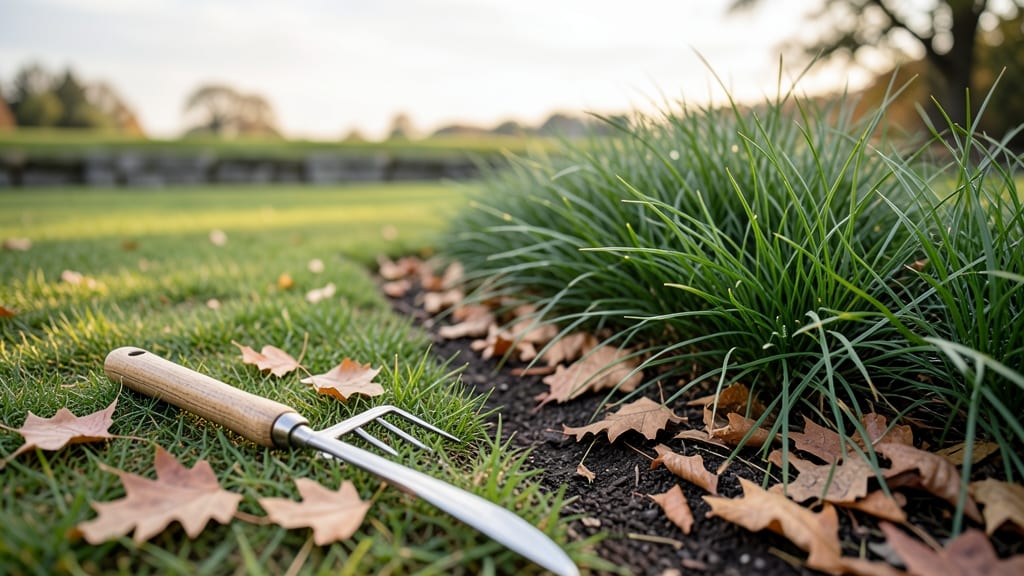
Mulched leaves on lawns can smother grass and invite fungal diseases—but there’s a better way. 🌱 I’ve turned my lawn’s fall cleanup from a chore into a revival strategy that keeps grass healthy and soil rich, without the mess of raking piles.
The problem isn’t the leaves themselves—it’s how they’re left. A thick, wet layer blocks sunlight, traps moisture, and creates perfect conditions for brown patch fungus. The fix? Lightly chop leaves with a mower first, then spread them evenly like mulch. This lets nutrients return to the soil while preventing smothering.
By spring, you’ll see vibrant green grass that bounced back instead of patchy, weak spots. The key is timing: tackle leaves in early fall or late spring when grass is actively growing. Aerate before overseeding for even better results—your lawn will thank you.
Works for any yard size, from small suburban plots to large backyards. No more struggling with rakes or watching grass turn brown—just healthier soil and easier maintenance. Here’s how to make it happen without the hassle.
The Hidden Triggers Behind Leaf Buildup
When you spot a thick layer of mulched leaves on your lawn, it’s rarely just bad luck—it’s usually the result of specific conditions and habits. Understanding these causes can help you prevent future buildup and keep your grass healthy. Here’s why it happens, broken down into actionable science-backed explanations.
Leaves break down faster than you might think, especially in warm, moist conditions. When mulched leaves pile up, they decompose into a dense, mat-like layer that smothers grass. This happens because:
- Microorganisms feast on leaves: Bacteria and fungi in the soil accelerate decomposition, creating a thick, spongy layer that blocks sunlight and air from reaching grass blades.
- High humidity traps moisture: Mulched leaves hold water like a sponge, creating the perfect environment for fungal growth (like Rhizoctonia) that weakens grass roots.
- Nitrogen depletion: As leaves decompose, they temporarily "steal" nitrogen from the soil—essential for grass growth—leaving patches looking dull or stunted.
Pro tip: 💡 If you notice leaves decomposing in clumps rather than evenly, it’s a sign the layer is too thick. Break it up with a rake or mow over it to redistribute nutrients.
Your mower, blower, or mulching settings might be unintentionally creating the problem. Here’s how:
- Over-mulching leaves: Some mulching mowers chop leaves into tiny pieces, which cling to grass blades and compact into a suffocating mat. This is especially true in fall, when leaves are abundant and damp.
- Blower backwash: If you use a leaf blower to clear driveways or sidewalks, the force can push leaves back onto the lawn, creating concentrated piles.
- Wrong mower height: A mower set too low shreds leaves into a fine powder that sticks to the grass, while a high setting can leave large clumps that don’t decompose evenly.
Fix it: ✨ Adjust your mower deck height to 2–3 inches for fall cleanups, and consider a bagging mower if mulching leaves consistently clumps.
Mother Nature plays a huge role in how quickly leaves accumulate and decompose. Key triggers include:
| Season | Why It Matters | Actionable Fix |
|---|---|---|
| Fall | Cool temps slow decomposition, but damp leaves stick together, forming thick mats. Rain washes leaves onto the lawn instead of into gutters. | Rake leaves into piles weekly to prevent buildup. Use a leaf vacuum for efficient removal. |
| Winter | Frozen ground prevents leaves from sinking into soil, and snow melt pushes them into clumps on the lawn surface. | Spread mulched leaves evenly with a broom or shovel them into garden beds as insulation. |
| Spring | Warmth speeds up decomposition, but old leaf layers can still smother new grass growth if not addressed. | Core aerate in early spring to break up compacted leaf debris and improve airflow. |
Sometimes, the real culprit isn’t just the leaves—it’s what’s living in them. Mulched leaves create a cozy home for:
- Sod webworms: These caterpillars thrive in thick leaf litter, chewing grass roots and leaving brown patches. Their silk nests trap leaves into a suffocating layer.
- Slime molds: Bright orange or yellow fungal growths appear on decomposing leaves, signaling excess moisture and poor drainage.
- Chinch bugs: These pests hide under leaf debris and pierce grass stems, causing yellowing and wilting.
Spot the signs: 🔥 Look for chewed grass blades or unusual discoloration under leaf layers. Treat with neem oil or a grub control if pests are confirmed.
Now that you know why mulched leaves take over your lawn, the next step is learning how to reverse the damage—without the hassle. Stay tuned!
Quick Fixes for Leafy Lawn Woes
Got mulched leaves smothering your grass? Don’t panic—here’s how to revive your lawn fast, without the hassle of raking or bagging. Below, we break down the root causes and pair them with practical fixes, plus tips to keep your yard looking lush all season long.
Cause: A heavy layer of leaves (over ½ inch) blocks sunlight and air, suffocating grass. Solution:
- 🔥 Step 1: Aerate First – Rent a core aerator (or use a garden fork) to poke 3–4 inch holes every 6 inches. This lets oxygen and water reach the roots.
- 🍳 Step 2: Light Raking – Use a leaf rake (not a metal one!) to gently fluff the leaves upward. Avoid dragging—just lift and redistribute.
- 👨🍳 Step 3: Mow High – Set your mower to 3–4 inches to shade out weeds and protect grass from cold.
💡 Pro Tip: If leaves are very thick, rake them into piles and mulch them elsewhere (like garden beds) to avoid nitrogen theft from your lawn.
Cause: Damp, compacted mulched leaves create the perfect fungal buffet (like brown patch or dollar spot). Solution:
- 🌡️ Step 1: Improve Drainage – If your lawn stays soggy, top-dress with compost (¼ inch) to loosen soil. For clay soil, mix in sand (50/50 with topsoil).
- 🎯 Step 2: Fungicide (If Needed) – Spray with a copper-based fungicide (like Bonide Copper Fungicide) if you spot mushrooms or slimy patches. Reapply every 2–3 weeks.
- ✨ Step 3: Feed the Grass – Apply a slow-release fertilizer (like 16-4-8) to strengthen roots. Avoid high-nitrogen fertilizers—they can burn grass weakened by leaf smothering.
💡 Pro Tip: Water deeply but less often—early morning (6–8 AM) is best. Wet leaves at night = fungal party.
Cause: Mulched leaves create dark, moist pockets where crabgrass and clover thrive. Solution:
- 🔪 Step 1: Pull Weeds by Hand – Use a weed puller or digging fork to remove deep roots. For stubborn clover, spot-treat with vinegar (50/50 vinegar/water spray—test a small area first!).
- ⏰ Step 2: Pre-Emergent Barrier – Apply corn gluten meal (natural pre-emergent) in early spring to block weed seeds. For tough weeds, use prodiamine (like Barrier 65W).
- 🌱 Step 3: Overseed Bare Spots – Fill thin areas with cool-season grass seed (like Kentucky bluegrass or fescue) for a dense, weed-resistant lawn.
💡 Pro Tip: Mow regularly (never remove more than ⅓ of the blade height) to crowd out weeds naturally.
Cause: You know fall is coming… but how to stop leaves from turning your lawn into a mulch swamp? Solution:
- 🍃 Step 1: Mulch Leaves Correctly – Use a mulching mower to shred leaves into thin layers (¼ inch or less). Run over the lawn 2–3 times for fine confetti-like mulch.
- 🌿 Step 2: Leaf Barriers – Lay cardboard or burlap along garden edges to catch leaves before they blanket your lawn.
- 🚜 Step 3: Blow, Don’t Rake – Use a leaf blower to push leaves into central piles, then compost or mulch them elsewhere.
- 🌡️ Step 4: Adjust Mowing Habits – Stop mowing 2 weeks before first frost to let grass grow taller and trap leaves naturally.
💡 Pro Tip: Plant leaf-resistant ground covers (like creeping thyme or clover) in high-traffic areas to reduce leaf buildup.
Final Thought: A little prevention goes a long way—mulched leaves don’t have to mean a dead lawn. With these fixes, your grass will bounce back faster than you can say “fall cleanup.” 🚀
Frequently asked questions
Why does my grass turn brown when leaves are mulched on top?
Thick mulched leaves block sunlight and air from reaching grass blades, suffocating them. The trapped moisture also creates fungal conditions like brown patch. Even a ½-inch layer can smother grass—break it up with a rake or mow over it to restore airflow.
Can I just leave mulched leaves on my lawn over winter?
It depends on the thickness. A thin layer (¼ inch or less) can act as natural insulation, but anything deeper will smother grass. For winter protection, spread leaves evenly with a rake and avoid compacting them—this prevents spring shock when grass wakes up.
How do I know if my lawn has too much thatch from mulched leaves?
Check by digging a small section—if the thatch layer is over ½ inch thick, it’s too much. Thatch traps moisture and blocks nutrients. Fix it by core aerating in early spring or using a thatcheater attachment on your mower to break it up.
Is it better to rake leaves or mulch them on the lawn?
Neither is perfect—balance is key! Mulching works best in small amounts (¼ inch or less) with a mulching mower. For heavy leaf drops, rake into piles and compost them elsewhere. The goal is to avoid thick mats that smother grass while still returning nutrients to the soil.
Will mulched leaves attract pests like chinch bugs?
Yes! Mulched leaves create dark, moist hiding spots for pests like chinch bugs and sod webworms. Look for yellow patches or chewed grass blades. Treat with neem oil or grub control if you spot them, and reduce leaf thickness to improve airflow.