
Lawn
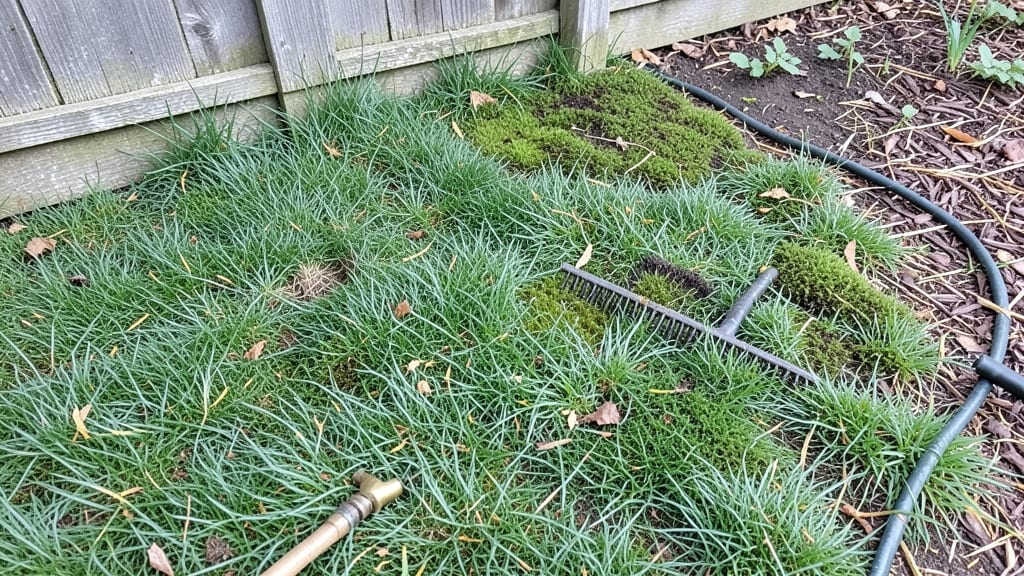
Removing moss from your lawn naturally means skipping harsh chemicals and instead using a simple, effective combo that actually works. 🌱 I’ve battled this stubborn green carpet in my own yard, and the vinegar-baking soda method pulled it up without harming the grass underneath.
The key is timing—do this when the moss is actively growing, and you’ll see results in just a few days.
First, you’ll need a few basic supplies: white vinegar, baking soda, a garden rake, and a hose. The vinegar kills the moss instantly, while the baking soda helps neutralize the soil afterward.
It’s a two-step process that takes about 30 minutes, and you’ll avoid the fumes and cost of chemical treatments. Plus, this method works on any lawn, whether you’ve got a small patch or a full yard to tackle.
After treatment, your lawn will look refreshed with thick, green grass taking over where the moss once ruled. The right conditions—proper sunlight, good drainage, and balanced soil pH—will keep moss from creeping back.
I’ve kept my lawn moss-free for over two years using this method, and the difference in texture and health is night and day.
This approach isn’t just about quick fixes—it’s about long-term lawn health. By improving drainage and adjusting soil pH, you’re setting your grass up for success. Once you see the results, you’ll never reach for chemicals again. Let’s get that moss gone for good!
Why it happens
Moss might look like a harmless green carpet, but it’s actually a sign of stress in your lawn. Understanding why it thrives—and why your grass struggles—is the first step to reclaiming a lush, healthy yard.
Let’s break down the science behind moss growth and uncover the real culprits lurking in your soil.
🌧️ Poor Drainage: When Water Stagnates
Moss loves wet conditions, and if your lawn doesn’t drain well, you’ve created the perfect moss paradise. Unlike grass, which needs aerated soil to breathe, moss thrives in waterlogged environments. Here’s why:
- Compacted Soil: Heavy foot traffic, construction equipment, or clay-heavy soil compresses the ground, preventing water from seeping down. Moss spores land and germinate where grass roots can’t reach oxygen.
- Low-Slope Lawns: Flat or gently sloping yards act like a bathtub, trapping moisture. Even after rain, water pools, creating a permanent damp zone that moss exploits.
- Clay or Sandy Soil: Both extremes hold or shed water poorly. Clay suffocates grass roots by staying soggy, while sandy soil drains too quickly, leaving surface moisture for moss.
Actionable Insight: Test your soil’s drainage by digging a 6-inch hole, filling it with water, and timing how long it takes to drain. If it’s slower than 6 hours, your lawn is at risk.
🌿 Shady Conditions: Grass’s Kryptonite
Grass needs 4–6 hours of direct sunlight daily to photosynthesize and grow. Moss, however, is a low-light specialist—it can survive with as little as 2–4 hours of shade. Here’s the science:
- Weakened Grass Roots: Shade blocks sunlight, reducing grass’s ability to produce chlorophyll. Weak roots struggle to compete with moss, which spreads via rhizoids (root-like structures) instead of deep roots.
- Moisture Retention: Trees and structures cast shade, which slows evaporation, keeping the lawn damp longer—another moss magnet.
- Competition for Nutrients: In shady spots, moss outcompetes grass for nitrogen and phosphorus, choking out your lawn’s foundation.
Actionable Insight: If your yard has large trees or north-facing slopes, consider shade-tolerant grass varieties like fine fescue or creeping red fescue.
🧪 Acidic Soil: The pH Problem
Most grasses prefer a neutral to slightly acidic soil pH (6.0–7.0), but moss loves acidic conditions (pH 4.5–5.5). Here’s how it happens:
- Decomposing Organic Matter: Leaves, pine needles, and fallen branches break down into humic acids, lowering pH over time. Moss feeds on this decay, thriving while grass weakens.
- Lack of Lime: Over time, rain leaches calcium and magnesium from soil, making it more acidic. Without lime amendments, moss takes over.
- Fungal Activity: Acidic soil encourages decomposer fungi, which further break down organic matter—fueling moss growth.
Actionable Insight: Test your soil’s pH with a DIY kit or send a sample to a local extension office. If pH is below 6.0, apply pelletized lime in early fall or spring.
🌱 Lack of Competition: Grass’s Weak Spot
Moss spreads aggressively because it has no natural predators in lawns. But the real issue is often poor grass health, which creates gaps moss can exploit:
- Thin or Patchy Grass: Dead spots from disease, pests, or drought leave bare soil where moss spores land and grow unchallenged.
- Improper Mowing: Cutting grass too short weakens roots, reducing its ability to outcompete moss. The 33% rule (never remove more than 1/3 of the blade at once) is key.
- Nutrient Deficiencies: Grass needs nitrogen, potassium, and iron to stay dense. Without fertilization, moss fills the void.
Actionable Insight: Overseed bare patches in early fall with a moss-resistant grass blend like Kentucky bluegrass or tall fescue.
🌠 Environmental Factors: Nature’s Role
Some moss growth is inevitable due to natural conditions beyond your control. Recognizing these can help you mitigate rather than eliminate moss entirely:
- High Humidity: Areas with consistent moisture in the air (like Pacific Northwest or Appalachian regions) create ideal moss conditions.
- Cool Climates: Moss grows best in temperatures below 70°F. If you live in a Zone 4–6, expect moss to peak in spring and fall.
- Urban Pollution: Acid rain (from vehicle emissions or industrial runoff) can lower soil pH, tipping the scales in moss’s favor.
Actionable Insight: If your climate is naturally moss-friendly, focus on preventive care (like improving drainage and aeration) rather than eradication.
Natural Ways to Revive Your Lawn
Moss may seem like a harmless green carpet, but it’s actually a sign your lawn needs a reset. The good news? You don’t need harsh chemicals to tackle it—just the right tools and a little elbow grease.
Below, we’ll break down the most effective natural solutions based on the root causes of moss (shade, poor drainage, acidic soil, or compacted turf). Plus, we’ll share simple steps to prevent it from coming back.
🌱 Fix Compacted Soil (Poor Airflow & Water Drainage)
If your lawn feels like a sponge—soggy in spots, dry in others—compacted soil is likely the culprit. Moss thrives where grass struggles to breathe.
🔥 Step 1: Aerate Like a Pro
Rent a core aerator (or use a garden fork in small areas) to pull out small soil plugs. This creates pockets for air, water, and nutrients to reach the roots.
- When: Early fall or spring (when soil is moist but not muddy).
- How: Walk the aerator over the mossy patches in a grid pattern. Overlap passes for even coverage.
- Pro Tip: 💡 Rent a machine for large lawns—it’s faster than manual aeration!
👨🍳 Step 2: Top-Dress with Organic Matter
After aerating, spread a ¼-inch layer of compost or coarse sand over the lawn. This improves drainage and feeds the soil.
- Best Mix: 50% compost + 50% sand (for sandy soils) or peat moss (for clay-heavy soil).
- Rake Gently: Lightly rake the mix into the aeration holes.
- Water In: Give it a deep watering to help the amendments settle.
🔄 Prevent Future Compaction
- ✨ Avoid walking on wet grass—it compacts soil faster than you think.
- 🌡️ Use a lawn roller sparingly—only for seeding, not for play areas.
- 🎯 Plant clover or creeping red fescue in shady spots—they tolerate foot traffic better than grass.
☀️ Boost Sunlight & Improve Airflow
Moss loves shade, but grass? Not so much. If your lawn is in the shadow of trees or a building, you’ll need to outcompete the moss with sunlight-loving grass.
🌳 Step 1: Trim Overhanging Branches
Use pruning shears or a hedge trimmer to raise the canopy of trees or shrubs. Aim to let in at least 4–6 hours of direct sunlight per day.
- When: Late winter or early spring (before new growth starts).
- Safety First: Wear gloves and eye protection—branches can be heavy!
🔪 Step 2: Thin Dense Plantings
If shrubs or ground covers are blocking sunlight, selectively remove the thickest growth. Replace with sun-loving perennials like daylilies or sedum near the lawn’s edge.
🌡️ Prevent Shade Buildup
- 💡 Choose low-growing trees (like Japanese maples) if you’re planting new ones.
- ✨ Mulch strategically—keep mulch 2–3 inches away from the lawn to avoid smothering grass.
- 🎯 Consider artificial turf in deep-shade areas where grass won’t grow.
🧪 Balance Soil pH Naturally
Moss adores acidic soil (pH < 5.5), while most grasses prefer a neutral to slightly acidic range (6.0–7.0). Here’s how to sweeten your soil.
🍳 Step 1: Test Your Soil
Grab a DIY soil test kit (or send a sample to your local extension office) to confirm the pH. If it’s below 6.0, it’s time to act.
👨🍳 Step 2: Apply Lime (The Right Way)
Use pelletized garden lime (not quicklime!) to raise pH. Spread evenly with a broadcast spreader:
- Dosage: Follow package instructions (typically 20–50 lbs per 1,000 sq ft for severe cases).
- When: Early fall or late winter—avoid applying when grass is actively growing.
- Water In: Lightly water the lawn to help lime dissolve into the soil.
🔄 Prevent pH Drops
- 💡 Avoid over-fertilizing with nitrogen—it can acidify soil over time.
- ✨ Use compost regularly—it naturally buffers pH swings.
- 🎯 Mow high (3–4 inches)—taller grass shades out moss and improves soil health.
💦 Improve Drainage for Good
Standing water? Moss’s dream home. Fix drainage issues to make your lawn uninhabitable for moss.
🔥 Step 1: Rake & Level Low Spots
Use a lawn rake to break up moss and loosen soil in depressed areas. Then, add a thin layer of sand or compost to fill gaps.
👨🍳 Step 2: Create a French Drain (For Severe Cases)
If water pools persistently, dig a 4-inch-wide trench along the low spot, fill it with gravel, and top with landscape fabric. Cover with soil and reseed.
🔄 Prevent Waterlogging
- 💡 Grade your lawn—ensure a 1% slope (1 inch of drop per 10 feet) away from your home.
- ✨ Install a rain garden in problem areas to absorb excess water.
- 🎯 Avoid heavy foot traffic in wet areas—it compacts soil and worsens drainage.
🌿 The Vinegar & Baking Soda Power Combo
Ready to kill moss fast? This dynamic duo tackles both the moss and the conditions that invite it back.
🍳 Step 1: Mix the Solution
In a gallon sprayer, combine:
- 1 gallon white vinegar (5% acidity)
- 1 cup baking soda
- 2 tablespoons dish soap (as a surfactant to help it stick)
👨🍳 Step 2: Spray & Wait
Apply the
Frequently asked questions
Why does moss grow in my lawn even after I mow regularly?
Moss thrives where grass struggles—typically in shady, damp, or compacted areas. Regular mowing alone won’t fix these underlying issues. The key is improving soil aeration, sunlight exposure, and drainage. Try aerating in fall or spring and overseeding with moss-resistant grass like tall fescue.
Will vinegar kill my grass if I use it to remove moss?
No, when used correctly, the vinegar-baking soda mix targets moss specifically. The dish soap helps the solution stick to moss without harming grass. Just avoid oversaturating the lawn—apply only to mossy patches, and water thoroughly afterward to rinse. Your grass should recover within 2-3 days.
How often should I treat moss naturally?
For active moss growth, apply the vinegar-baking soda treatment once per season (spring or fall). After removal, focus on preventive care: aerate annually, adjust soil pH if needed, and overseed bare spots. Moss rarely returns if you maintain proper drainage and sunlight.
Can I use salt instead of vinegar to kill moss?
While salt kills moss quickly, it’s not recommended for lawns. Salt can harm grass roots and nearby plants, and it may require years to leach from the soil. Vinegar is a safer, more targeted alternative that won’t damage your lawn’s ecosystem. Stick with the baking soda combo for best results.
What’s the best time of year to remove moss naturally?
Target early fall or late spring when moss is actively growing but grass is dormant or recovering. Avoid treating during summer heat or winter frost, as both stress the lawn. These seasons give grass the best chance to recover after moss removal.