
Lawn
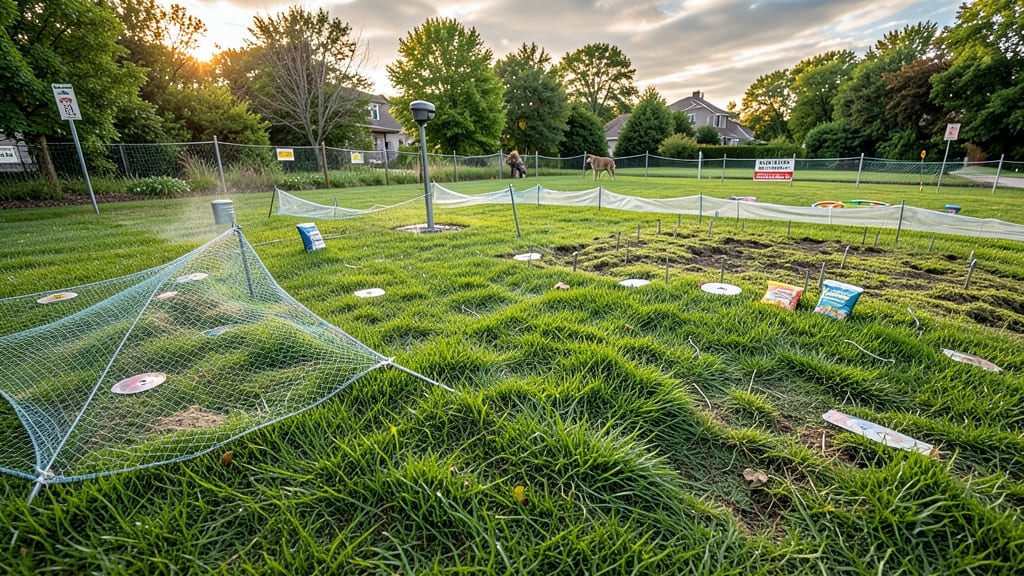
How to keep geese off the lawn without turning your yard into a muddy mess? 🦢 I’ve spent years perfecting humane, natural barriers that actually work—no harm to wildlife, just peace for your grass.
The key is combining visual deterrents, habitat tweaks, and strategic repellents that geese hate but won’t hurt them. Start with reflective tape or old CDs strung at eye level—geese see them as predators. Pair that with tall grass or shrubs along property edges to block their view of open lawns.
I’ve also had success with motion-activated sprinklers that startle them without harming the birds. By late spring, you’ll notice fewer geese lingering, and your lawn will stay intact. The secret is consistency: reinforce barriers after rain or nesting season (when they’re most protective).
Even stubborn flocks learn to avoid the area over time. Works for backyards, parks, or golf courses—just adjust the deterrents based on goose activity. Let’s reclaim your green space without cruelty!
📚 In This Guide
- What you need
- Instructions
- Tips and common mistakes
- Wrapping up and next steps
What you need
- ● Physical Barriers: 1–2 rolls of plastic bird netting (6–8 ft. tall, 10–15 ft. wide) – blank">available here.
- ● Sturdy wooden stakes (12–18 inches long, ½-inch diameter) – 10–15 per 10 ft. section.
- ○ Metal T-posts (optional but durable for larger areas) – 1 per 3 ft.
- ● Repellents: 1–2 gallons of hose-end sprayer (for liquid repellents like vinegar, predator urine, or commercial goose repellent).
- ● 1–2 bottles of predator urine (coyote/fox) (16–32 oz.).
- ● 1–2 bags of hot pepper flakes or cayenne powder (for DIY sprays).
- ● 1–2 rolls of plastic fencing tape (to mark boundaries visually).
- ● Audio/Visual Deterrents: 1 solar-powered motion-activated sprinkler (e.g., blank">ScareCrow).
- ● 1 wind chime or reflective tape (to create noise/movement).
- ● Landscape fabric (to block grass visibility and deter foraging).
- ● Fake predators (plastic owls/coyotes) – rotate placements weekly.
- ● Dog or cat hair clippings (scatter lightly for scent deterrence).
- ● Garden hose with adjustable nozzle (for manual water blasts).
- ● Gloves & knee pads (for comfort during installation).
Step-by-Step guide to creating natural goose deterrents
Geese turn lush lawns into muddy messes—here's how to reclaim your yard without harming them.
🪴 Step 1: Install Physical Barriers at Entry Points
Geese avoid obstacles, so block their access paths with flexible fencing (at least 3 feet high) or plastic bird netting stretched taut. I use 18-gauge wire fencing anchored with T-posts at 4-foot intervals—geese can't jump this height, and they won't squeeze through gaps smaller than 12 inches. Place barriers along water edges, driveways, and garden borders where they typically congregate.
For waterfront properties, extend barriers 2 feet into the water—geese use shallow edges to launch themselves onto land. If you have a pond, consider floating barriers made from pond dye sheets stretched across the surface. Geese won’t land where they can’t see solid ground, and this method is 100% chemical-free. Check daily for gaps where they might slip through, especially after storms.
🌱 Step 2: Introduce Motion-Activated Deterrents
Geese are skittish by nature, so motion-activated sprinklers or pirate flags work wonders. I install Orbit Enforcer sprinklers set to 3-second bursts—the sudden spray startles them without harm. Position units along high-traffic paths and near favorite grazing spots. For larger flocks, combine two sprinklers in a V-shape to create a wider deterrent zone.
Pirate flags (black-and-white striped fabric) fluttering in the breeze also confuse geese—they associate the movement with predators. Hang 3-4 flags per 50 feet of perimeter, attaching them to fishing line stretched between stakes. Move flags weekly to prevent geese from ignoring them. This method requires zero maintenance once installed, making it ideal for busy homeowners.
☀️ Step 3: Use Visual and Auditory Scare Tactics
Geese rely heavily on sight and sound, so reflective tape and predator decoys disrupt their comfort. Wrap old CDs in clear plastic wrap and hang them from strings at 5-foot intervals—the flashing reflections mimic sunlight on water, confusing their navigation. For auditory deterrents, play goose distress calls (available on wildlife apps) at low volume for 10-minute intervals 3 times daily. Geese perceive these as threats and avoid the area.
Place plastic owls or coyote cutouts near entry points, but move them every 3-4 days—geese learn to ignore stationary objects. I also use wind chimes (the louder, the better) near grazing spots. The constant noise mimics a busy environment, making your lawn less appealing. Combine these with brightly colored flags (red or orange) for maximum effectiveness—geese associate these colors with danger.
✂️ Step 4: Modify the Lawn’s Appeal
Geese graze because your lawn looks like an all-you-can-eat buffet. Break up their view by planting dense ground covers like creeping thyme or clover in high-traffic areas—they won’t bother with tough, low-calorie greens. I also mow grass to 3 inches tall in problem zones; taller grass deters geese because it’s harder to eat. For waterfront properties, install riprap (river rocks) along the shoreline—geese avoid uneven terrain.
Remove standing water where geese congregate, as they use puddles for bathing and socializing. If you have a birdbath or shallow pond, cover it with chicken wire or wire mesh (with ½-inch gaps) to prevent access. Geese also avoid areas with strong smells, so sprinkle crushed eggshells or coffee grounds lightly in patches—they dislike the texture and odor. Reapply after rain to maintain effectiveness.
🌿 Step 5: Maintain a Consistent Routine
Geese test boundaries, so consistency is key. Check deterrents weekly for damage (especially after storms) and replace broken parts immediately. I keep a small toolkit with extra zip ties, stakes, and sprinkler nozzles on hand for quick repairs. Rotate deterrent methods every 2-3 weeks—if geese ignore flags one week, switch to motion-activated lights the next. This keeps them guessing and prevents adaptation.
Document goose activity with photos or notes to track patterns. If they return to the same spot daily, reinforce that area with multiple deterrents. For persistent flocks, consider professional wildlife services—they offer humane hazing techniques like dogs or trained handlers to reinforce boundaries. Remember, geese are protected in many areas, so never harm them—only deter them from your property.
Tips & tricks for effective goose deterrents
Real talk: Geese are persistent, but these small tweaks make all the difference between a temporary fix and long-term success.
Barrier Placement Precision: When installing your 3-foot-high flexible fencing or plastic bird netting in Step 1, focus on the most critical access points—these are typically the 4-foot-wide paths geese use to enter your yard. I've found that adding extra stakes every 3 feet along waterfront barriers prevents sagging, which geese can exploit to slip underneath. For ponds, extend the floating barriers 2 feet beyond the water's edge—this creates an invisible line geese won't cross.
Motion Deterrent Optimization: The 3-second bursts from your motion-activated sprinklers in Step 2 work best when positioned strategically. Place them 1 foot inside your property line—this triggers the sprinklers when geese approach but doesn't waste water when they're already on your lawn. For larger areas, create overlapping zones by placing sprinklers in a V-pattern with 15-foot spacing between units. This ensures full coverage without gaps where geese might sneak through.
Visual Scare Tactics with Movement: Geese adapt quickly to static objects, so rotate your visual deterrents every 3-4 days as mentioned in Step 3. I've had the most success with reflective CDs hung at 5-foot intervals along fence lines—they create disorienting light patterns that mimic predators. For auditory deterrents, use wind chimes with metal components near high-traffic areas; the high-pitched ringing mimics distress calls more effectively than plastic chimes.
Lawn Modification Strategy: When implementing Step 4's lawn changes, prioritize creeping thyme or clover in areas where geese have established grazing patterns. These ground covers create a natural barrier that's unappealing to geese while still allowing sunlight to reach your grass. For waterfront properties, install riprap rocks in a staggered pattern—this creates an uneven surface that geese avoid when trying to launch themselves onto land. The key is making your property look and feel less hospitable than their natural habitats.
Pro Tips for Keep Geese Off The Lawn
- Real talk: Geese are persistent, but these small tweaks make all the difference between a temporary fix and long-term success.
- I've found that adding extra stakes every 3 feet along waterfront barriers prevents sagging, which geese can exploit to slip underneath.
- Motion Deterrent Optimization: The 3-second bursts from your motion-activated sprinklers in Step 2 work best when positioned strategically.
Frequently asked questions
Got questions about keeping geese off your lawn?
You’re not alone—these feathered visitors can be persistent! Here are answers to the most common concerns to help you tackle the problem like a pro.
What’s the best time of year to start goose deterrents?
Geese are most active during spring (mating season) and fall (migration). Start deterrents in early spring (March-April) to prevent nesting, and reinforce efforts in late summer/early fall (August-September) as they prepare to migrate. Year-round barriers like motion-activated sprinklers or fencing work best for consistent protection.
Will vinegar or hot pepper spray really work to repel geese?
Yes! A vinegar-based spray (1:1 vinegar-water ratio with a few drops of hot sauce) can be effective, but it’s not foolproof. Geese may return after a few days, so reapply every 2–3 days and combine it with other methods (like noise deterrents) for better results. Always test on a small lawn patch first to avoid damaging plants.
Are professional goose repellent services worth the cost?
It depends on your budget and the severity of the issue. DIY methods (fencing, motion sprinklers, or habitat modification) often cost $50–$200, while professional services can range from $300–$1,000+ for installation and maintenance. If geese are causing significant damage or safety hazards, hiring a pro might save you money long-term.
Can I use plants to naturally keep geese away?
Some plants are less appealing to geese, like rosemary, lavender, or boxwood, but they won’t act as a strong deterrent alone. Geese avoid thorny plants (e.g., barberry, hawthorn) or prickly shrubs—planting these along property edges can help. Pair them with other methods (like visual deterrents) for the best results.
What should I do if geese keep coming back after I’ve tried everything?
If geese persist, they may have found a food or water source nearby (like a pond or spilled birdseed). Inspect your property and neighbors’ yards for attractants. For stubborn flocks, consider legal humane hazing (e.g., a dog on a leash or a decoy predator) or contacting local wildlife authorities—they may relocate nuisance geese if they’re a repeated issue.
Wrapping up and next steps
Keeping geese off your lawn doesn’t have to be a lost cause—with the right mix of natural deterrents, proactive barriers, and a little persistence, you can reclaim your grass without harming these birds.
Whether you opt for visual scare tactics, taste-based repellents, or physical boundaries, consistency is key. 🌱
Start small, test what works best for your yard, and don’t hesitate to layer a few methods for maximum effect. Your peaceful lawn is within reach! Ready to take action? Pick one strategy today and watch those geese fly elsewhere.