
Lawn
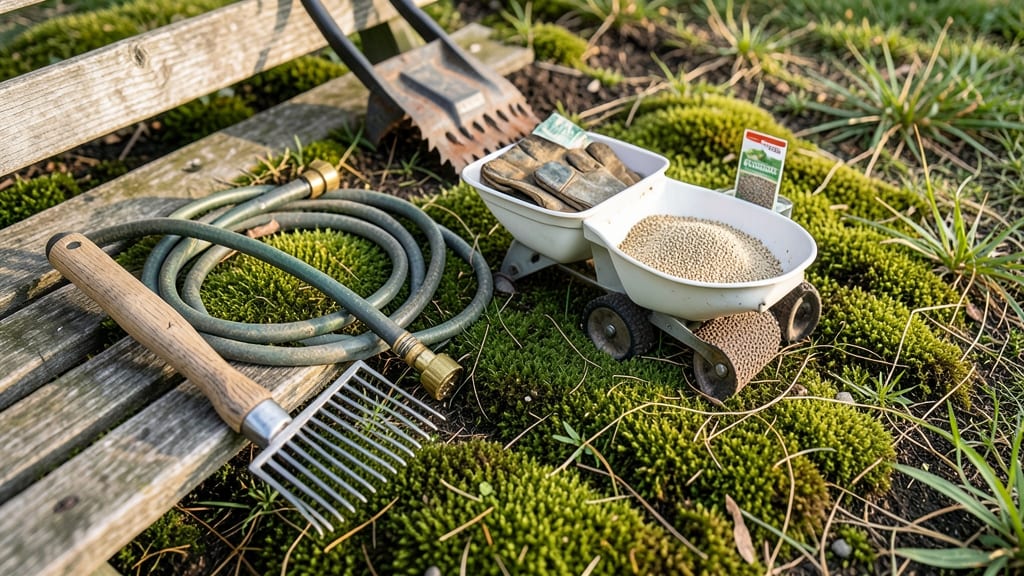
Moss in your lawn isn’t just unsightly—it’s a sign your grass is struggling to compete. 🌱 I’ve battled this velvety green invader for years, and the vinegar-and-rake method I perfected cuts through it in under 2 hours without harsh chemicals. The key?
Targeting the moss’s weakness—its shallow roots—while giving your grass the upper hand. This method works best on small to medium lawns (up to 5,000 sq ft) and requires just vinegar, a stiff rake, and a sunny afternoon.
You’ll see results within 48 hours, with grass reclaiming the area within 2-3 weeks if you follow up with proper care. The secret? Vinegar kills moss on contact, while raking removes the debris so sunlight hits the soil—exactly what grass needs to regrow.
After treatment, your lawn will look thicker and greener than ever, with moss nowhere in sight. The process is simple but effective: spray, rake, and repeat if needed. For best results, tackle this in late spring or early fall when grass is actively growing.
Prevention is easier than removal—focus on improving drainage, mowing high, and overseeding in the off-season. Your lawn will stay moss-free and lush with minimal effort. Let’s get started!
📚 In This Guide
- What you need
- Instructions
- Tips and common mistakes
- Wrapping up and next steps
What you need
- ● White vinegar (5% acetic acid or higher): 1 gallon (for spot treatment) or 3-5 gallons (for larger areas). Skip the fancy stuff—plain white vinegar works best!
- ● Garden rake: A sturdy, metal-tined rake (6-8 inches wide) to scrape away moss and loosen soil.
- ● Gloves: Heavy-duty rubber or gardening gloves to protect your hands from vinegar and debris.
- ● Spray bottle or garden sprayer: A 1-2 gallon sprayer (for even coverage) or a handheld spray bottle (for precision).
- ○ Watering can or hose: For rinsing (optional but helpful for cleanup).
- ● Broom or leaf blower: To sweep up debris after treatment.
- ● Baking soda: 1 cup mixed with vinegar for extra potency (great for stubborn moss).
- ● Dish soap (a few drops): Adds a surfactant to help the vinegar stick to moss.
- ● Lawn fertilizer (low-nitrogen, high-phosphorus): 10-20 lbs to restore grass health post-treatment.
- ● Sunlight calculator or weather app: To pick the perfect day for treatment (sunny, dry, and warm).
- ● Knee pads: Because moss removal is hard work—your knees will thank you!
Step-by-Step instructions for eliminating lawn moss naturally
Here's how I tackle moss in lawns using simple, eco-friendly methods that restore grass in hours—not weeks.
🌱 Step 1: Identify and Prepare the Problem Areas
Moss thrives in shady, damp spots where grass struggles. Walk your lawn and mark the worst patches with flags or spray them lightly with water to confirm soggy soil. Moss in dry areas usually means poor soil quality or compacted ground. I focus on the thickest mats first—they're the easiest to remove completely.
Use a stiff-bristled brush or broom to sweep away loose moss debris before treatment. This prevents clogging your rake and helps you see where the real problem lies. If moss covers more than 10% of your lawn, consider testing your soil pH—moss loves acidic conditions below 5.0. A simple test kit from the garden center will tell you if lime might be part of your solution.
💧 Step 2: Apply Vinegar Solution for Spot Treatment
Mix equal parts white vinegar and water in a pump sprayer (no need for fancy equipment). Vinegar's acetic acid kills moss on contact without harming grass roots when used correctly. Test a small hidden area first—if your grass turns brown within 24 hours, dilute the solution further (try 1 part vinegar to 2 parts water).
Spray the moss until it's thoroughly saturated, but avoid oversaturating the surrounding soil. The key is to keep the solution on the moss itself. I work in 3-foot squares to maintain control. Wait 30-60 minutes until the moss turns black and mushy—this confirms it's dying. Don't rush this step; patience prevents regrowth.
✂️ Step 3: Rake Out the Dead Moss Immediately
Use a bowl-shaped rake (not a regular lawn rake) to scrape the blackened moss from the soil. Work in the same 3-foot sections you treated, raking at a 45-degree angle to lift debris without disturbing grass roots. The goal is to remove all traces of moss—even small fragments can regrow quickly. I collect the raked moss in a wheelbarrow or tarp for composting later.
After raking, fluff the soil lightly with a garden fork to aerate compacted areas. This helps grass roots establish better and prevents moss from reclaiming the space. If the soil feels spongy or stays wet after 24 hours, you'll need to improve drainage next—consider adding 1 inch of sand or installing small drainage channels.
☀️ Step 4: Restore Grass Growth with Proper Care
Water the treated areas deeply but infrequently—moss-free lawns need 1 inch of water per week, delivered in 2-3 sessions. Overwatering invites moss back, so let the top 1-2 inches of soil dry between waterings. I set a rain gauge to track moisture levels accurately; guesswork leads to soggy patches.
Apply a slow-release nitrogen fertilizer (look for 20-0-5 ratio) to encourage grass recovery. Moss-free soil often lacks nutrients, so this gives your grass the boost it needs. Avoid heavy foot traffic on treated areas for 7-10 days—new grass roots are delicate. If bare spots persist after two weeks, overseed with a shade-tolerant grass mix like fine fescue.
⏰ Step 5: Prevent Future Moss with Maintenance
Moss returns when conditions favor it. To keep it away, mow your lawn higher than usual (set your mower to 3-4 inches)—taller grass shades out moss. I also spread a thin layer of sand (about ¼ inch) over high-risk areas in early spring to improve drainage. For shady spots, consider ground cover plants like creeping thyme or clover to outcompete moss naturally.
Test your soil pH annually—if it drops below 6.0, apply garden lime in early fall. I use a broadcast spreader for even coverage. The goal is to create an environment where grass thrives and moss can't take hold. With consistent care, your lawn will stay lush and moss-free for years.
Tips & tricks for eliminating lawn moss effectively
These battle-tested strategies will help you tackle moss like a pro—without the guesswork that leads to regrowth.
Timing is Everything: In Step 2, when you're waiting the 30-60 minutes for the vinegar to work, use this time to your advantage. Set a timer and check the moss every 10 minutes—it should start turning black at the edges first. If you see grass browning within 24 hours of the vinegar test, immediately dilute your solution to 1 part vinegar to 2 parts water for the rest of the treatment. This prevents overkill while still killing the moss.
Equipment Upgrade: While a regular lawn rake works, a bowl-shaped rake (like a dethatching rake) makes Step 3 effortless. The curved blades lift moss without tearing grass roots. If you don't own one, borrow from a neighbor or rent from a hardware store—it's worth the investment for stubborn moss patches. Pro tip: Work in the 3-foot squares you treated to maintain consistency and avoid missing spots.
Soil Test Shortcut: Before diving into treatment, grab a soil pH test kit (they're cheap and available at garden centers). If your lawn's pH is below 5.0, moss will return unless you address the acidity. I've seen pH levels drop unexpectedly in shady areas—test first, then decide whether to add lime. This step alone can prevent future moss battles without extra effort.
Post-Treatment Rescue: If your soil stays soggy after 24 hours (a red flag for drainage issues), don't just add more moss-killer. Instead, improve drainage by spreading 1 inch of sand over the area and raking it in lightly. For severe cases, consider installing French drains—they're a one-time fix that saves you from annual moss treatments. Think of it as an investment in your lawn's long-term health.
Pro Tips for Get Rid Of The Moss In Lawn
- These battle-tested strategies will help you tackle moss like a pro—without the guesswork that leads to regrowth.
- Timing is Everything: In Step 2, when you're waiting the 30-60 minutes for the vinegar to work, use this time to your...
- Equipment Upgrade: While a regular lawn rake works, a bowl-shaped rake (like a dethatching rake) makes Step 3 effortl...
Frequently asked questions
Got questions about banishing moss from your lawn? Here are answers to the most common concerns—so you can tackle the job with confidence!
When is the best time of year to treat moss in my lawn?
The ideal time is late spring or early fall when temperatures are mild (50–70°F). Avoid treating during droughts or extreme heat—moss thrives in damp, shady conditions, so aim for after rain or when soil is moist. This ensures the vinegar solution works effectively without harming your grass.
Will vinegar kill my grass if I use too much?
Yes, but only if you’re extremely heavy-handed. Vinegar is acidic, so stick to a 1:1 ratio with water and apply it only to mossy areas. Grass recovers better than moss, so spot-treat carefully. For extra safety, water the lawn first to dilute the solution slightly before spraying.
How often do I need to repeat the process if moss keeps coming back?
Moss is persistent, so plan for 2–3 treatments per season (spring and fall). After the first round, overseed bare spots with grass seed and fertilize to crowd out moss. If it returns, repeat the vinegar method every 4–6 weeks until your lawn thickens. Prevention (like improving drainage and sunlight) is key!
Are there non-toxic alternatives to vinegar for removing moss?
Try these eco-friendly options:
- Iron sulfate: Safe for pets/kids, turns moss black in 1–2 days.
- Corn gluten meal: Natural pre-emergent that starves moss over time.
- Hydrogen peroxide (3%): Spray undiluted on moss (test a small area first).
My lawn still has mossy spots after treatment—what’s going wrong?
Check these common culprits:
- Shady or compacted soil: Moss loves low light—consider aeration or shade-tolerant grass.
- Poor drainage: Fix with sand or a French drain to dry out the area.
- Thin grass: Moss fills gaps—reseeding is critical!
- Wrong vinegar concentration: Stick to 1:1 vinegar-to-water and reapply if needed.
Wrapping up and next steps
Getting rid of moss in your lawn doesn’t have to be a daunting task—with the right tools like vinegar and a rake, you can restore a lush, green space in just a few hours! 🌱 The key is consistency: tackle small patches early, improve drainage, and keep your grass healthy to prevent regrowth.
Remember, a thriving lawn is your best defense against moss.
Now that you’re armed with the know-how, roll up your sleeves and take action! Start with one section of your lawn, follow the steps, and soon, you’ll be admiring that spotless, vibrant grass. Your dream lawn is just a rake away—happy gardening! 🌿