
Lawn
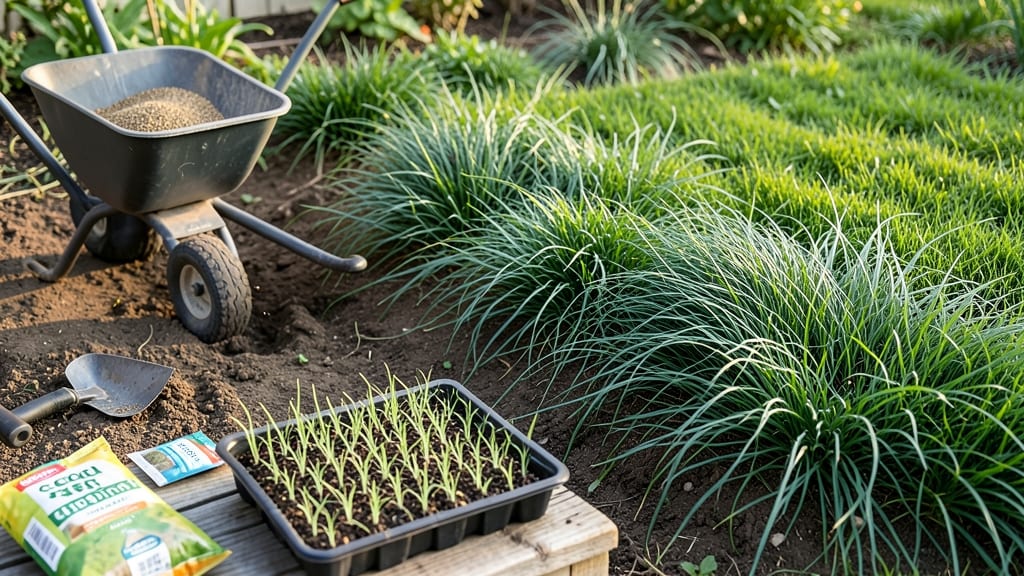
To seed and fertilize your lawn at the right time means the difference between a thick, vibrant 🌱 carpet and a patchy, struggling mess.
Picture this: you’ve spent hours spreading seed and topsoil, only to watch it bake under the summer sun or rot in a soggy spring downpour. Or maybe you’ve fertilized too early, only to see the nutrients wash away before the grass even sprouts.
Timing isn’t just about the calendar—it’s about understanding your climate, grass type, and even the weather forecast.
In Zone 6, early spring and early fall are your golden windows for seeding, while fertilization follows a seasonal rhythm: a hearty feed in spring, lighter touches in summer, and a final boost before winter. But get it wrong, and you’re fighting weeds instead of enjoying your lawn.
Below, I’ll break down the exact schedule for your region, the three-step prep that saves you from costly mistakes, and how to tell when your lawn is truly ready for the next round of care.
Optimal seeding times by climate zone and grass type
Timing is everything when it comes to seeding your lawn—plant too early, and frost or weeds take over; too late, and your grass struggles to establish before winter. The key lies in understanding your USDA climate zone and whether you're planting cool-season or warm-season grasses.
These factors determine whether you should seed in early spring, late summer, or fall. Let’s break down the best windows for each zone and grass type to maximize your lawn’s potential.
Cool-season grasses like Kentucky bluegrass, tall fescue, and perennial ryegrass thrive in USDA zones 3–8 and prefer cooler temperatures. They establish best when soil temps are between 60–75°F, making early spring (March–April) and early fall (September–October) ideal.
In contrast, warm-season grasses such as Bermuda, Zoysia, and St. Augustine dominate zones 7–11 and need soil temps above 65°F, so late spring to early summer (May–June) is their window.
Microclimates can shift these timelines by 2–4 weeks. For example, a shady lawn in zone 6 might seed a week later than a sunny spot, while coastal areas with milder winters can extend fall seeding into November.
Always check your last frost date and aim to seed 4–6 weeks before the first hard frost for cool-season grasses or 2–3 weeks before peak summer heat for warm-season types.
| USDA Zone | Grass Type | Best Seeding Window | Soil Temp | Microclimate Adjustment |
|---|---|---|---|---|
| 3–5 | Cool-season (Fescue, Bluegrass) | Early May–June or Sept 1–15 | 55–70°F | Delay spring seeding if frost risk |
| 6–8 | Cool-season (Ryegrass, Bluegrass) | March 15–April 30 or Sept 1–Oct 15 | 60–75°F | Extend fall window to Nov in mild zones |
| 7–9 | Warm-season (Bermuda, Zoysia) | May 15–June 30 | 70–85°F | Seed earlier in coastal zones |
| 10–11 | Warm-season (St. Augustine, Centipede) | April 15–May 31 | 65–80°F | Avoid summer heat; seed in spring |
For cool-season grasses, early spring seeding (right after last frost) gives seedlings time to establish before summer heat, while fall planting (6–8 weeks before first frost) avoids competition from summer weeds.
In USDA zones 3–5, where winters are harsh, focus on fall seeding—spring is too risky due to late frosts. Meanwhile, warm-season grasses in zones 7–11 should never be seeded in fall; they’ll die back in winter and struggle to recover.
If you’re in a transition zone (6–8), you can try overseeding warm-season grasses in late summer (August) with ryegrass for winter color, but this requires careful watering to prevent fungal issues.
Always test your soil’s pH (6.0–7.5) and amend with compost or lime before seeding—poor soil prep leads to weak grass that’s prone to disease. A soil test kit costs under $20 and saves you from wasted seed and fertilizer.
Adjust your seeding timeline based on local weather patterns. For instance, if your area has unpredictable spring rains, delay planting until the ground dries out to prevent seed rot.
Conversely, if summers are extremely hot and dry (like in zone 10), seed in late spring to avoid heat stress. Pay attention to 7-day forecasts—consistent temps and minimal rain are ideal for germination.
One common mistake is seeding too early in zone 3–5 and watching frost kill tender shoots. Instead, wait until soil temps stay above 50°F for at least a week. Similarly, in zone 9–11, seeding Bermuda grass in July means battling 100°F+ soil, which can scorch seeds.
Always check the USDA Plant Hardiness Zone Map and local extension service guidelines for precise dates tailored to your area.
Pro tip: Use a seed germination mat if seeding in late fall—it adds 10–15°F of warmth to extend the growing season. For warm-season grasses, mulch newly seeded areas with straw to retain moisture and block weeds, but avoid thick layers that can smother seeds.
Consistency is key: water lightly twice daily for the first 2 weeks to keep soil moist but not soggy.
Finally, don’t overlook shade adjustments. In wooded areas, cool-season grasses like fine fescue thrive with
Fertilizing schedule: when and how much for new seed vs. established lawns
Timing your lawn fertilizer applications is just as critical as choosing the right grass seed. Newly seeded lawns need a gentle approach to avoid burning tender sprouts, while established lawns thrive on a structured feeding schedule tied to growth cycles.
The key difference? Starter fertilizer for seeds and seasonal nitrogen boosts for mature grass. Let’s break down the exact schedule and amounts for both scenarios.
For new seed lawns, the first fertilizer application happens at seeding using a low-nitrogen starter fertilizer (10-10-10 ratio). This provides immediate nutrients without overwhelming the young roots. Follow up with a light feed 6-8 weeks later once the grass reaches 3-4 inches tall.
Established lawns, on the other hand, need 4 main feedings per year—spring, summer, fall, and a light winter touch in mild climates.
Spring is the most critical feeding window for established lawns. Apply a high-nitrogen fertilizer (30-0-4) in early spring to jumpstart growth after winter dormancy. For cool-season grasses like Kentucky bluegrass, this is your heaviest feeding of the year.
Warm-season grasses like Bermuda, however, should wait until late spring or early summer to avoid stressing the lawn during heat waves.
Summer feeding requires caution. Use a light, slow-release fertilizer (16-4-8) to prevent nitrogen burn in hot, dry conditions. Water deeply before and after application to help nutrients penetrate the soil. For new seed lawns, summer is a rest period—skip fertilizing entirely until fall to avoid encouraging weed growth.
Fall fertilization is non-negotiable for a thicker, healthier lawn next spring. Apply a balanced fertilizer (20-5-10) in early fall to strengthen roots before winter. This is especially important in USDA zones 5-8, where cold snaps can stress grass.
For new seed, a light fall feed helps establish roots before dormancy.
Winter fertilization depends on your climate. In mild zones (9-11), a light nitrogen boost in late winter can encourage early spring growth. In colder zones (3-6), skip winter feeding entirely—grass is dormant and won’t use nutrients. Always test your soil first to avoid over-fertilizing.
Pro tip: Pair your fertilizer schedule with pre-emergent herbicide in early spring to block weeds before they sprout. Just remember—never apply pre-emergent to new seed or you’ll kill your grass before it starts! Water your lawn deeply after fertilizing to activate nutrients and wash any residue off the blades.