
Lawn
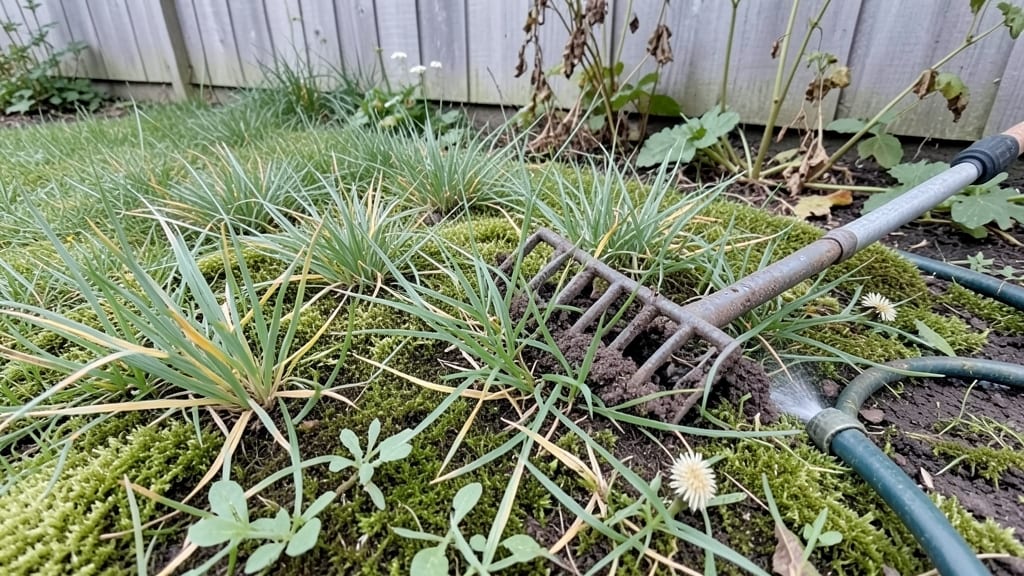
How to eliminate moss from your lawn—it’s stealing nutrients and space from your grass, and I’ve finally cracked the code with a simple vinegar-salt trick that banishes it for good. ✨ that way. The secret isn’t brute force; it’s understanding why moss thrives where grass struggles.
Shade, poor drainage, and compacted soil create the perfect conditions for moss to take over. Most solutions either fail or harm your grass. This method targets moss directly while giving your lawn the chance to recover—no harsh chemicals needed.
You’ll need basic supplies: white vinegar, salt, a hose, and a rake, plus about 30 minutes on a weekend afternoon.
After one application, you’ll see moss turn brown within days, flaking away to reveal grass that’s finally getting a fighting chance. The key is timing it right—spring or fall when grass is actively growing but moss is still vulnerable. With proper aftercare, your lawn will stay moss-free for good.
Works in shady spots, heavy clay soil, or even high-traffic areas where grass usually gives up. The same mix won’t work for all lawns, but the principles apply—fix the root causes, and moss won’t stand a chance. Let’s get that lawn back to lush and green.
The Hidden Triggers Behind Moss
Moss isn’t just an unsightly green carpet creeping into your lawn—it’s a symptom of deeper issues. Understanding why it thrives (while grass struggles) is the first step to reclaiming a lush, moss-free yard. Here’s the science behind its persistence, broken down into actionable causes:
###
🌧️ Poor Drainage: Moss Loves Standing Water
Moss thrives in wet conditions because it’s a non-vascular plant—it absorbs water directly through its leaves instead of roots. Unlike grass, it doesn’t need deep soil moisture to survive. If your lawn has:
- Compacted soil: Heavy foot traffic, machinery, or clay-heavy soil prevents water from draining, creating soggy pockets where moss takes root.
- Low-lying areas: Water pools in dips, depressions, or slopes where grass roots can’t reach oxygen.
- High water tables: In areas with shallow groundwater, moss outcompetes grass by tolerating constant moisture.
Actionable fix: Test your soil’s drainage by digging a 6-inch hole and filling it with water—if it drains slower than 6 hours, you’ve got a problem. Aerate compacted areas and consider sand or organic matter to improve porosity.
###
☀️ Shady Spots: Grass Struggles Without Sun
Most lawn grasses need 4–6 hours of direct sunlight daily to photosynthesize and grow. Moss, however, is a shade-tolerant opportunist. It spreads aggressively in areas where:
- Trees or buildings block sunlight (e.g., north-facing yards, dense forest edges).
- Grass is thin or dying, leaving bare soil for moss spores to land.
- Overgrown grass shades itself (a classic sign of thatch buildup).
Actionable fix: If shade is unavoidable, choose shade-loving grasses like fine fescue or creeping red fescue. For deep shade, consider ground covers or mulch instead of a traditional lawn.
###
🧪 Acidic Soil: The pH Problem
Moss prefers acidic soil (pH 4.5–6.0), while most lawn grasses thrive in neutral to slightly alkaline soil (pH 6.0–7.5)
. If your soil is too acidic, moss wins because:- Grass roots weaken: Acidic conditions lock up essential nutrients like phosphorus and calcium.
- Fungi and bacteria (which help grass roots) struggle, creating a hostile environment.
- Litterfall (e.g., pine needles, fallen leaves) further lowers pH over time.
Actionable fix: Test your soil’s pH with a home kit or lab test. If it’s below 6.0, amend with lime (calcium carbonate) in early spring or fall. For organic options, try wood ash or crushed eggshells (sparingly).
###
🌱 Thin or Weak Grass: Moss Fills the Gaps
Moss doesn’t invade healthy lawns—it replaces dying grass. Common reasons grass weakens:
- Poor mowing habits: Cutting too short (<1 inch) stresses grass, exposing soil to moss spores.
- Nutrient deficiencies: Lack of nitrogen, iron, or potassium turns lawns patchy and inviting for moss.
- Disease or pests: Fungal infections (like brown patch) or grubs create bare spots moss colonizes.
- Over- or under-watering: Stress from drought or waterlogging signals grass to decline.
Actionable fix: Strengthen your lawn with proper fertilization (test soil first!) and sharp mower blades (dull blades tear grass). Overseed bare patches with high-quality grass seed in early fall.
Pro tip: 💡 Moss spreads via spores carried by wind, water, and animals. Once it takes hold, it smothers grass by blocking sunlight and stealing nutrients. The key? Eliminate its advantages (water, shade, acidity) while giving grass every chance to bounce back.
How to solve it
Moss might seem like a stubborn foe, but with the right strategies, you can reclaim your lawn in no time. The key is addressing the root cause (pun intended) while using targeted, eco-friendly methods.
Below, we’ve mapped out solutions based on why moss thrives in your yard—and how to stop it for good.
###
🌱 Cause: Shady or Poorly Lit Areas
Moss loves low-light spots because it thrives where grass struggles. If your lawn has dense tree canopies or north-facing slopes, moss will take over.
Fix: Boost sunlight exposure and crowd out moss with shade-tolerant grasses like fine fescue or creeping red fescue. Here’s how:
- 🔥 Trim overhanging branches to let more light reach the soil.
- 🍳 Spread a thin layer of compost (¼ inch) over mossy patches to improve soil aeration and grass seed germination.
- 👨🍳 Plant moss-resistant ground covers like clover or sedum to outcompete moss naturally.
- ⏰ Re-seed in early fall when temperatures are cooler and moisture is ideal for grass growth.
💡 Pro Tip: If shading is unavoidable (e.g., mature trees), consider replacing moss with ornamental grasses or mulch-covered pathways instead of fighting for turfgrass.
###
💦 Cause: Compacted or Waterlogged Soil
Moss flourishes in soggy, compacted soil where water pools and air can’t circulate. Heavy foot traffic, clay soil, or poor drainage are usually to blame.
Fix: Improve drainage and soil structure to discourage moss. Try these steps:
- 🔪 Aerate your lawn in early fall using a core aerator to create holes for water and oxygen to penetrate.
- 🌡️ Test your soil’s pH—moss prefers acidic conditions (pH < 6.0). If needed, apply lime to raise pH to 6.5–7.0.
- 🎯 Install a French drain or swales (shallow trenches) to redirect water away from low-lying areas.
- ✨ Top-dress with sand or compost to improve soil texture and prevent compaction.
💡 Pro Tip: Avoid walking on wet grass to prevent further compaction. If your yard floods often, consider raised garden beds for high-traffic areas.
###
🍂 Cause: Thin or Dying Grass
Weak grass leaves bare spots where moss moves in. Overwatering, nutrient deficiencies, or pests can weaken your turf.
Fix: Strengthen your grass to outcompete moss:
- 🌱 Overseed bare patches with a high-quality grass seed blend suited to your climate (e.g., Kentucky bluegrass for sunny areas, ryegrass for cooler zones).
- 💪 Fertilize with nitrogen-rich lawn food in early spring and fall to promote dense growth.
- 🥗 Water deeply but less frequently (1–1.5 inches per week) to encourage deep roots and discourage moss.
- 🔄 Treat for weeds or pests that may be stressing your grass (e.g., grubs, chinch bugs).
💡 Pro Tip: Mow high (3–4 inches) to shade the soil and reduce moss competition. A thicker lawn = less room for moss!
###
🧴 Cause: High Moisture or Humidity
Moss stays green year-round because it loves damp conditions. If your lawn stays wet for long periods, moss will dominate.
Fix: Reduce moisture retention with these adjustments:
- 🌡️ Improve airflow by pruning bushes or thinning dense plantings around your lawn.
- 🔄 Install a sprinkler system with rain sensors to avoid overwatering. Early morning watering (before 10 AM) minimizes evaporation and fungal growth.
- ✨ Apply a moss-killing vinegar-salt mix (like the one in our featured solution) to kill existing moss without harming grass roots.
- 🏡 Redirect gutters and downspouts away from your lawn to prevent water pooling.
💡 Pro Tip: If moss persists in a specific spot, consider replacing it with drought-tolerant plants like lavender or ornamental grasses that thrive in dry conditions.
###
🛡️ Prevention Tips for Long-Term Success
Once you’ve banished moss, keep it from returning with these habits:
- 📅 Regular lawn maintenance: Mow, fertilize, and aerate seasonally to maintain a healthy turf.
- 🌡️ Monitor soil pH annually and adjust with lime or sulfur as needed.
- 💦 Improve drainage by adding organic matter (compost) or installing French drains in problem areas.
- 🌱 Choose the right grass for your climate and sunlight conditions to minimize bare spots.
- 🚫 Avoid heavy foot traffic on wet grass to prevent compaction.
With consistency, your lawn will become a moss-free, lush carpet—no more slimy green invaders!
Frequently asked questions about lawn moss removal
Why does moss grow in my lawn even after mowing regularly?
Moss thrives where grass struggles—typically in shady, damp, or compacted areas. Regular mowing alone won’t eliminate it because moss doesn’t need deep roots like grass. The key is improving soil conditions (like aeration and sunlight exposure) while strengthening your turf to outcompete it. Focus on fixing drainage and pH first.
Is vinegar safe to use on my entire lawn, or just spot treatments?
Vinegar works best as a spot treatment for small moss patches—never apply it to your entire lawn. The acidity can harm grass roots and beneficial soil microbes. For large areas, use a 1:1 vinegar-water mix with 1 cup salt per gallon sparingly, then rinse thoroughly. Always test a small area first.
How long does it take to see results after treating moss?
With the right method (like the vinegar-salt mix), you’ll notice moss turning brown within 3-7 days. Complete removal takes 2-4 weeks, depending on your lawn’s health and weather. For best results, treat in spring or fall when grass is actively growing but moss is still vulnerable.
Can I prevent moss from coming back after removal?
Yes! Prevent recurrence by improving drainage, aerating compacted soil, and overseeding with shade-tolerant grass varieties. Regular maintenance like seasonal fertilization and proper mowing height (3-4 inches) keeps grass thick and competitive. Monitor soil pH—moss returns quickly if conditions stay acidic.
What’s the best time of year to tackle moss?
Early spring (March-April) or fall (September-October) are ideal. Grass is actively growing but not under stress, while moss is still establishing. Avoid treating in summer heat or winter dormancy—both can stress your lawn. Choose mild, dry days for best results.