
How To
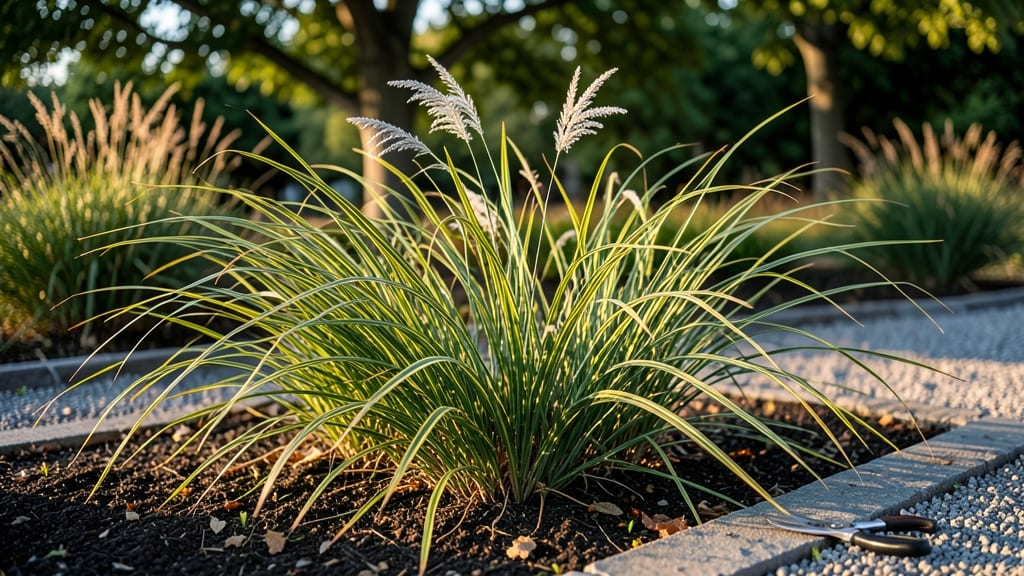
Zebra grass (Miscanthus sinensis 'Zebrinus') thrives in USDA zones 5-9, with its height largely influenced by sunlight exposure and soil quality. 🌱 In full sun, it often grows taller and denser, while partial shade can result in a more compact, bushier appearance.
The striking striped foliage remains upright naturally, though some taller varieties may need occasional pruning to maintain shape—especially in windy areas where stems can lean.
For gardeners planning landscapes, spacing matters: plant clumps 2-3 feet apart for standard varieties or 12-18 inches for dwarf types to prevent overcrowding. The grass's slow-spreading rhizomes also make it ideal for erosion control on slopes, where its vertical growth helps stabilize soil without overwhelming adjacent plants.
💡 In This Article
- Zebra Grass Height Variations by Cultivar
- Tips for Controlling Zebra Grass Spread and Height
Zebra grass height variations by cultivar
Zebra grass displays remarkable height diversity depending on the cultivar, with some varieties reaching nearly three times taller than others. The Meyer's ZZ cultivar stands out as the tallest, often maturing between 2.5 to 3 feet when grown in optimal conditions of full sun and well-draining soil.
This variety's height is primarily driven by its aggressive vertical growth habit, which makes it ideal for creating dramatic vertical accents in garden designs. 🌿
For those seeking more compact options, the Humboldt cultivar typically matures at 18 to 24 inches, offering a balanced height that works well for borders and mixed plantings. This variety maintains excellent upright growth without requiring extensive pruning, making it a favorite for low-maintenance landscapes.
Meanwhile, the Variegata cultivar usually stays between 12 to 20 inches, featuring striking white stripes that add visual interest while keeping a more contained stature.
Climate plays a significant role in determining final height, particularly in warmer USDA zones 7-10 where growth rates accelerate. In these regions, zebra grass can add an extra 6 to 12 inches to its mature height compared to cooler zones 5-6.
The increased sunlight and warmth stimulate longer internode growth—the segments between leaf nodes—which directly contributes to greater overall height. Conversely, in partial shade or cooler climates, growth tends to be more compact and bushy.
Dwarf varieties like 'Little Kitten' represent the shortest options, typically reaching only 12 to 18 inches at maturity. These compact forms make excellent choices for container gardening or as accent plants in rock gardens.
What distinguishes these dwarf types is their slower growth rate, which results from shorter internodes and a more condensed clumping habit. This makes them particularly suitable for smaller spaces where vertical growth needs to be controlled.
Understanding these height variations allows gardeners to make informed selections based on their specific needs. For example, taller varieties like Meyer's ZZ create stunning focal points, while dwarf types provide versatile ground cover options.
The key factor is matching the cultivar's mature height to your garden's scale and design requirements. 🌱
When selecting cultivars, also consider their growth rates—some varieties like Humboldt establish more quickly, while others may take 2-3 years to reach full height. This timing difference can significantly impact your planting and maintenance plans, particularly when creating layered garden designs with multiple plant heights.