
Lawn
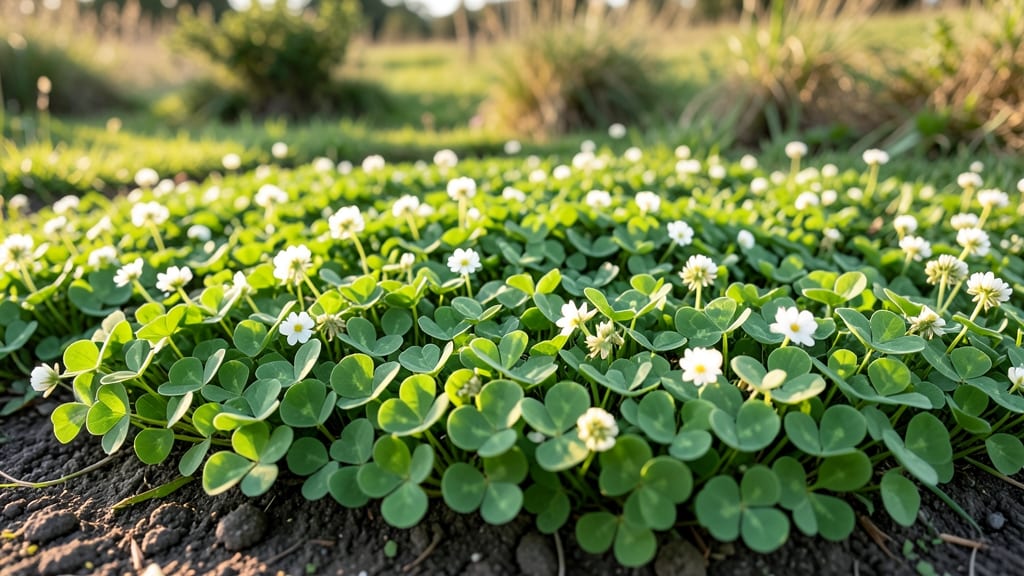
Clover lawns grow between 1 to 5 inches tall, depending on the variety and care you give them 🌱 — far shorter than you might expect, and easier to manage than traditional grass.
If you've ever pictured clover as a wild, unruly mess, think again. With the right approach, it stays neatly trimmed, almost like a low-maintenance carpet. The key lies in choosing the right type—white clover stays on the shorter side, while red clover can reach the upper limit if left unchecked.
Unlike grass, which often needs frequent mowing to stay tidy, clover thrives with less attention. A simple trim every 4 to 6 weeks keeps it at your ideal height, whether you prefer a 1-inch lawn or a 4-inch meadow look.
Plus, it handles drought and foot traffic better than most grasses.
In this guide, I’ll break down the height ranges for popular clover types, how to control growth naturally, and why clover might just be the low-maintenance lawn you’ve been searching for.

Clover lawn height ranges by variety: what to expect
Not all clover lawns look the same—some stay low and lush like a carpet, while others can reach heights that feel more like a meadow. The height of your clover lawn depends entirely on the variety you choose and how aggressively you manage it.
Unlike traditional grass, which can be mowed to a uniform height, clover varieties grow at different rates and respond uniquely to maintenance.
If you're dreaming of a neat, low-maintenance lawn, microclover and Dutch white clover are your best bets. But if you prefer a wildflower-meets-lawn look, red clover might be your pick.
Understanding these differences helps you set realistic expectations and avoid surprises when your clover starts to bloom or spread.
| Variety | Mature Height Range | Ideal Mowing Height | Growth Habit | Best For |
|---|---|---|---|---|
| White Clover | 2–4 inches | 1.5–2.5 inches | Creeping, spreads rapidly | Low-maintenance lawns, drought tolerance |
| Red Clover | 12–24 inches | 6–12 inches (if mowed) | Upright, clumping, fast-growing | Pollinator gardens, wildflower lawns |
| Dutch White Clover | 1–3 inches | 1–2 inches | Low-growing, dense mat | Turf-like lawns, high-traffic areas |
| Microclover | 0.5–1.5 inches | 0.5–1 inch | Ultra-low, fine texture | Minimalist lawns, eco-friendly turf |
Dutch white clover is the shortest clover variety, rarely exceeding 3 inches in height, making it ideal for a manicured lawn look. It forms a dense mat that chokes out weeds naturally, which is why many gardeners prefer it over grass.
Meanwhile, red clover is the tallest, often reaching 2 feet or more if left unchecked—perfect for pollinator-friendly meadows but not for traditional lawns.
Microclover is the newest kid on the block, designed specifically for low-maintenance lawns. It stays under 1.5 inches tall and thrives in full sun to partial shade, making it a favorite for eco-conscious gardeners.
The key to keeping it short? Regular mowing—just like grass, but with less effort since it recovers quickly.
If you're comparing clover to traditional grass lawns, expect clover to stay shorter or taller depending on the variety. Grass is typically mowed between 1–3 inches, while clover ranges from 0.5–24 inches.
The beauty of clover is its versatility: you can mimic grass with Dutch white clover or embrace a wildflower aesthetic with red clover.
One common misconception is that all clover grows tall and unruly. In reality, proper mowing and maintenance determine the height. For example, if you mow Dutch white clover at 1 inch, it will stay compact.
But if you skip mowing, even microclover can stretch to 2 inches. The secret is consistency—just like with grass, regular trimming keeps clover at your desired height.
Climate also plays a role in clover height. In cooler regions, clover tends to grow slower and stay shorter, while warmer climates can encourage faster growth and taller stems.
If you live in a hot, dry area, Dutch white or microclover will thrive with minimal watering, while red clover might need extra care to prevent legginess.
For a neat, uniform look, aim to mow clover when it reaches half its mature height. This prevents it from flowering, which can make the lawn look messy. For instance, if your red clover typically hits 20 inches, mow it at 10 inches to keep it tidy.
Use a sharp mower blade to avoid tearing the stems, which can lead to disease.
Remember, clover lawns reward low-maintenance care. Unlike grass, which needs frequent mowing and fertilizing, clover stays green with far less effort.
Whether you choose a turf-like Dutch white clover or a wildflower-style red clover, understanding its natural growth habits will help you create the perfect lawn for your lifestyle.
How to control clover lawn height: mowing, trimming, and maintenance tips
Keeping your clover lawn at the perfect height requires a mix of regular maintenance and smart timing. Unlike traditional grass, clover grows in a bushy, dense pattern that responds well to consistent care. The key is understanding how mowing frequency and blade height directly impact its growth habits.
For example, Dutch white clover stays compact at 1-2 inches, while red clover can reach 4-6 inches without proper trimming.
Your mowing strategy should change with the seasons. In spring and fall, when clover grows most actively, you’ll need to mow every 1-2 weeks to maintain a neat appearance. During summer droughts or winter dormancy, reduce mowing to every 3-4 weeks to avoid stressing the plants.
Always use a sharp mower blade to prevent tearing the leaves, which can invite disease.
Here’s how to adjust your approach based on your clover variety and climate:
Set your mower blade to match your clover type:
- Dutch White Clover: 1–2 inches
- Microclover: 1–1.5 inches
- White Clover: 2–3 inches
- Red Clover: 3–4 inches
Adjust based on growth speed and season:
- Spring/Fall: Every 1–2 weeks
- Summer (dry): Every 3–4 weeks
- Winter (dormant): Skip or minimal mowing
Dull blades cause ragged cuts that:
- Increase disease risk (fungal infections)
- Create uneven growth patterns
- Waste time and fuel with extra passes
Climate zones affect maintenance:
- Cool climates: Mow earlier in spring to prevent rapid growth
- Hot climates: Raise blade 1 inch higher in summer to reduce stress
- Humid areas: Increase mowing frequency to prevent thatch buildup
For a neater, denser clover lawn, never remove more than one-third of the leaf height in a single mowing. This rule prevents scalping, which weakens the plant and allows weeds to invade.
Pair your mowing routine with occasional hand-trimming along edges and walkways for a polished look. A mulching mower works best—it chops clippings into fine pieces that decompose quickly, returning nutrients to the soil.
In shady areas, clover grows slower, so you can mow less frequently—every 3-4 weeks is often sufficient. If your lawn develops bare patches, overseed with more clover in early fall when temperatures are mild.
Remember, clover thrives on consistency, so stick to your maintenance schedule, and you’ll enjoy a lush, low-maintenance lawn that stays at your desired height year-round.
🌱