
Lawn
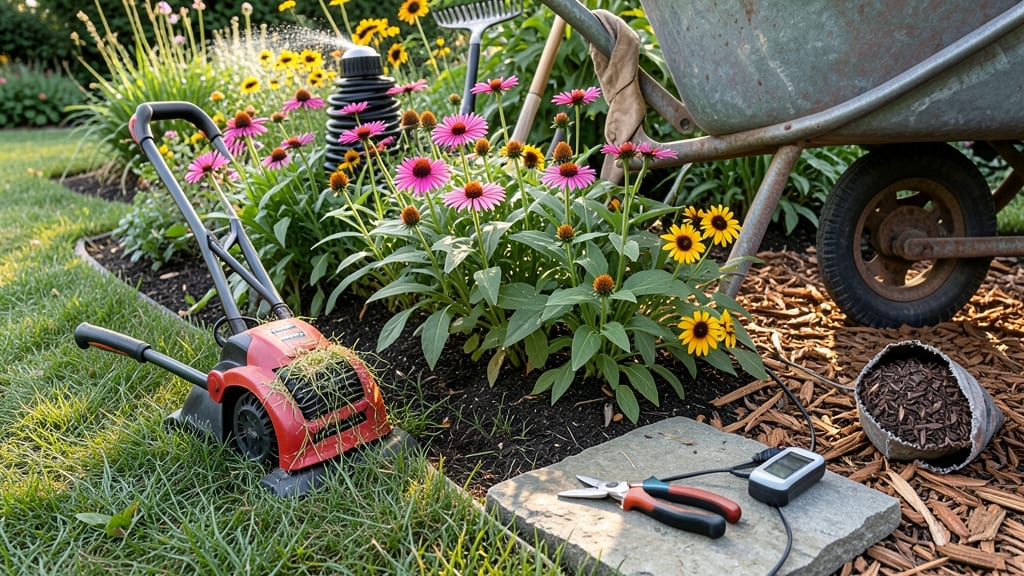
Maintaining lawn and flower bed maintenance effectively means adjusting your routine by season: keep grass at 3-4 inches tall, water deeply 1-2 times weekly, apply mulch to flower beds to lock in moisture, and fertilize according to plant needs while staying vigilant about weeds and pests throughout the year.
Lawn and flower bed maintenance requires adapting your approach with the seasons. Spring is prime time for aerating your lawn to improve soil compaction, while fall is ideal for planting bulbs that'll bloom next year. 🌱 The key is understanding each plant's specific needs—some flowers need more frequent watering, while others prefer drier conditions. I've found that a simple soil test at the start of spring can reveal exactly what nutrients your garden craves, saving both time and money on fertilizers.
Beyond the basics, the right tools make all the difference. A sharp pruner, for example, ensures clean cuts that promote healthier growth, while a drip irrigation system delivers consistent moisture without waste. Even small adjustments like watering in the early morning can prevent fungal issues.
The goal isn't just to keep things looking good—it's about creating an ecosystem where plants can truly flourish year after year.
💡 In This Article
- Seasonal Lawn and Flower Bed Care Calendar
- Pro Tools and Techniques for Healthy Landscaping
Seasonal lawn and flower bed care calendar
Spring is when your lawn and flower beds wake up from dormancy, making it the perfect time to address soil health. Aerating your lawn in early spring—when soil is moist but not waterlogged—helps break up compacted soil, allowing air, water, and nutrients to reach grass roots more efficiently.
This is especially critical in high-traffic areas where footprints create dense soil layers. For flower beds, now’s the moment to divide overcrowded perennials, like hostas or daylilies, to prevent competition for nutrients and encourage stronger blooms.
The timing of spring fertilization matters too. Apply a slow-release, balanced fertilizer (like a 10-10-10 NPK ratio) when grass is actively growing but before summer heat sets in. This gives roots time to absorb nutrients without stress.
In flower beds, a soil test reveals deficiencies—often iron or phosphorus—so you can target specific amendments. For example, roses thrive with a phosphorus-heavy fertilizer (5-10-5) to support root development before their blooming season peaks in late spring. 🌿
Summer shifts focus to water efficiency and pest prevention. Mowing grass at 3-4 inches keeps roots shaded and cool, reducing water loss through evaporation.
Early morning watering (between 4-8 AM) minimizes fungal risks like brown patch disease, while mulching flower beds with 2-3 inches of organic matter retains moisture and regulates soil temperature.
This is also when you’ll spot common pests like aphids or Japanese beetles—handpicking or using neem oil prevents damage without harsh chemicals.
Fall is the unsung hero of landscaping. Planting bulbs like tulips or daffodils in October gives them time to establish roots before winter, ensuring vibrant spring blooms.
Overseeding your lawn with cool-season grasses (like fescue) fills in thin patches, while a final fertilizer application (high in potassium) strengthens roots for winter resilience. In flower beds, remove spent annuals and add compost to replenish nutrients lost during the growing season.
Winter might seem like a break, but it’s actually about preparation. Leave leaf litter in flower beds—it acts as natural mulch, insulating roots and preventing soil erosion. For lawns, avoid walking on frozen ground to prevent compaction, and sharpen mower blades before storage to ensure clean cuts next spring.
This seasonal rhythm ensures your lawn and flower beds stay lush, not just by chance, but by science-backed timing. 🌱
What most people overlook is how each season’s tasks build on the last. Spring aeration sets up summer drought resistance, fall planting ensures next year’s blooms, and winter prep protects against spring pests. Think of it like a garden’s immune system—each step strengthens the whole ecosystem.