
Lawn
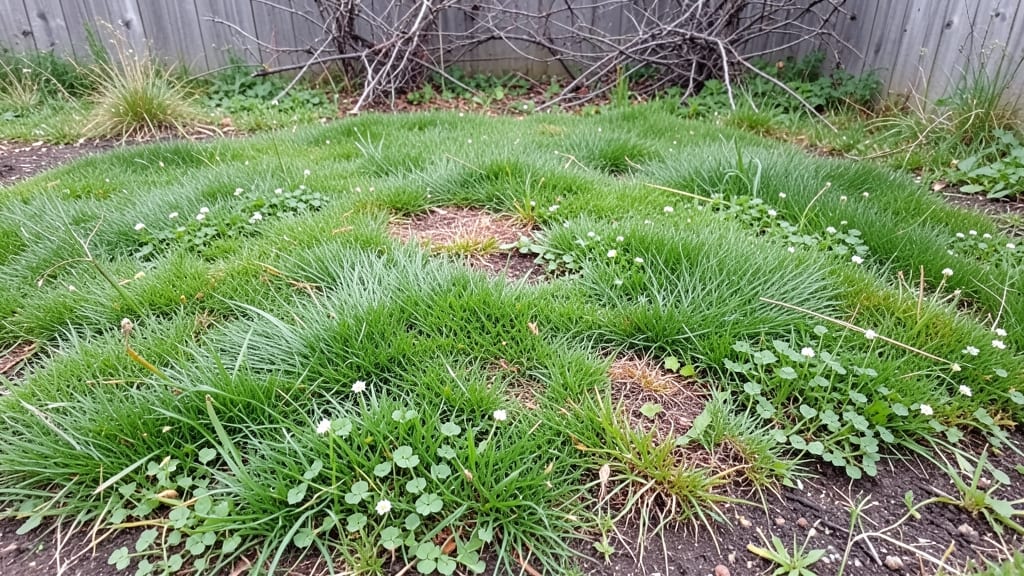
To visualize how big a 5000 square feet lawn is, imagine a standard NBA basketball court (94' x 47') or a space roughly 73' x 69'. This size matches a large suburban backyard or a small football field’s end zone, easily fitting 10-15 mature trees spaced 15 feet apart or 50-60 rose bushes in a garden layout.
A 5000-square-foot lawn is a sweet spot for homeowners balancing open space with functional landscaping. 🌿 Think of it as the difference between a cozy backyard and a full-blown outdoor retreat—big enough for privacy but not so vast it feels overwhelming.
For example, this space could comfortably fit a 20' x 25' patio, a circular fire pit area, and still leave room for a small vegetable garden or flower beds along the edges.
The key is dividing it strategically: turf areas for play or lounging, dedicated zones for plants, and pathways to connect everything without wasting square footage.
What’s interesting is how this size plays out in real-world scenarios.
A typical suburban lot might dedicate half its area to lawn, meaning a 5000-square-foot yard would be ideal for a single-family home. 🌟 It’s also the perfect canvas for creative layouts—like a kidney-shaped pool with surrounding deck space, or even a putting green for golf enthusiasts.
The versatility is what makes this measurement so popular in landscaping discussions.
💡 In This Article
- Visualizing 5000 Square Feet in Lawn Design
- Planning a 5000-Square-Foot Garden Layout
Visualizing 5000 square feet in lawn design
A 5000-square-foot lawn translates to roughly 73 feet by 69 feet, which is about the length of two standard parking spaces side by side (each typically 18-20 feet wide).
This size is also comparable to a large suburban backyard, where you’d find enough space for a 12-foot-wide rectangular pool (35 feet long) with a surrounding concrete patio.
The key is understanding how these dimensions work in practice—like how a 5-foot-wide pathway around the perimeter would leave 63 feet by 59 feet for usable yard space. 🌿
When comparing to sports fields, this lawn size is roughly one-third the area of a standard football field’s end zone (160 feet by 10 yards). Imagine placing three of these lawns end-to-end along the goal line—that’s the scale we’re working with.
For homeowners, this means you could fit a 20-foot-diameter circular fire pit area, a 10-foot-by-12-foot dining patio, and still have room for a small garden or grassy play area. The flexibility is what makes this size so popular for both residential and community spaces.
For plant spacing, a 5000-square-foot lawn can accommodate 10-15 mature trees spaced 15 feet apart (each tree requiring about 150-225 square feet of root zone). This leaves room for 50-60 rose bushes in a garden layout, assuming each plant needs 3 feet by 3 feet of space.
The science here involves understanding plant canopies and root systems—trees with wider canopies need more space, while shrubs like roses can be planted closer together. Pathways between plants should be at least 2-3 feet wide for easy maintenance and access. ✨
In terms of outdoor furniture, this space could comfortably fit a 10-foot rectangular hot tub, a 12-foot-long sectional sofa setup, and multiple lounge chairs with 5-foot spacing between them. The layout would depend on whether you prioritize open lawn areas, shaded seating, or a mix of both.
For example, placing a 10-foot-diameter umbrella over a seating area would block sunlight for about 150 square feet, leaving ample room for additional features like a small pond or decorative lighting.
One practical consideration is how this size translates to irrigation needs. A 5000-square-foot lawn typically requires about 1.5 inches of water per week during peak growing seasons, which translates to roughly 3,000 gallons of water.
This is equivalent to running a 10-gallon-per-minute hose for about 5 hours. Understanding these calculations helps in planning sprinkler systems or drip irrigation layouts to ensure even water distribution without over-saturating specific areas. 💧
For homeowners planning landscaping, this size offers the perfect balance between open space and functional zones. Whether you’re designing a backyard retreat, a community garden, or a small park, the dimensions allow for creative layouts that maximize both aesthetics and utility.
The key is starting with a rough sketch to visualize how different elements—like plants, pathways, and furniture—will interact within the space. 🌟