
Lawn
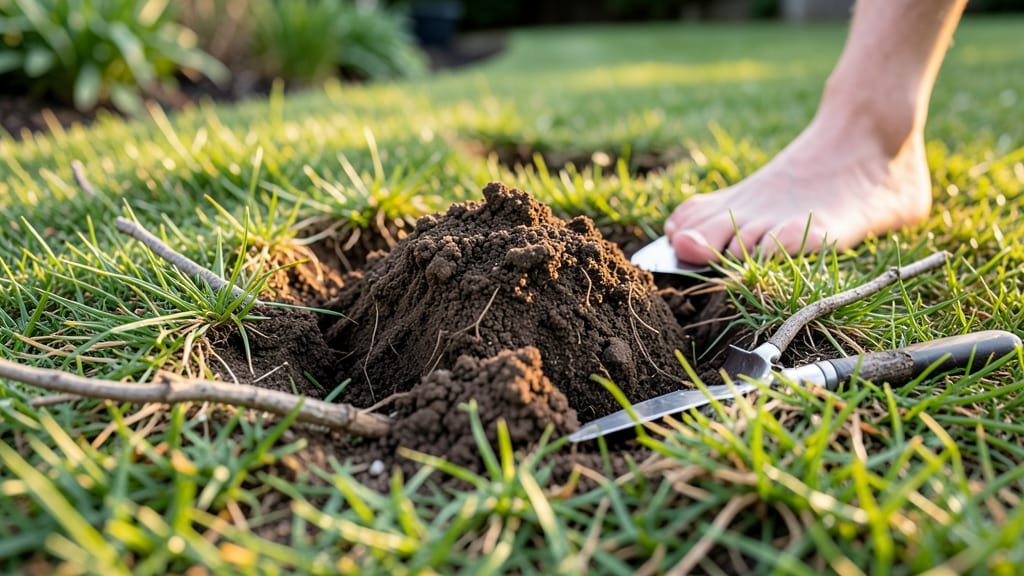
Your lawn’s mysterious holes in lawn animal-made tunnels aren’t just unsightly—they’re a fast way to lose turf, roots, and peace of mind. 🌱 I’ve spent years tracking down the culprits (moles, voles, grubs) and learning which organic fixes actually work.
The key? Identifying the animal first, then attacking its habits—not just the symptoms.
Moles leave volcano-shaped mounds and shallow tunnels, while voles chew clean holes with no dirt piles. Grubs? Look for patches of dead grass that peel back like carpet. The good news?
These pests hate the same things—castor oil, sharp gravel, and plants like marigolds or daffodils that repel them naturally. No traps, no chemicals, just smarter lawn design.
Once you’ve identified the troublemaker, the fix is fast and simple: patch bare spots with seed and topsoil, then reinforce with a 2-inch layer of gravel to deter diggers.
For voles, a hardware cloth barrier under new sod works like a charm. The best part? These methods keep working season after season, with minimal effort.
Seasonal timing matters—spring and fall are peak digging seasons, so act early. But the real secret? Prevention through habitat tweaks. Keep grass tall, eliminate grubs with nematodes, and plant pest-repelling ground covers. Your lawn will stay intact, and you’ll finally know who’s really behind those holes.
Root Causes Of Lawn Disruptions
Unexplained holes in your lawn aren’t just an eyesore—they’re a clear sign that something is actively digging beneath the surface. Understanding why these disturbances occur is the first step to reclaiming your yard.
Below, we break down the most common culprits, from tiny critters to environmental factors, with the science behind their behavior.
Small mammals and insects are the most frequent offenders, using your lawn as a free buffet and real estate. Their digging isn’t random—it’s driven by survival instincts, habitat needs, or food sources.
- Moles (🦊)
Moles are not rodents—they’re insectivores with a voracious appetite for grubs, worms, and larvae. Their tunnel systems (both shallow "feeding tunnels" and deep "highway tunnels") create raised ridges and sudden sinkholes when they collapse.
Moles dig to hunt, not to nest, so their holes often appear in clusters along active grub hotspots.
Science note: Their powerful front paws can move 15 cubic feet of soil per hour, explaining why damage spreads fast.
- Voles (🐭)
These rodent relatives of mice create shallow, irregular holes (1–2 inches deep) while searching for roots, bulbs, and tender grass. Unlike moles, voles eat the plants they disturb, leaving behind gnawed stems and surface-level chaos.
Their tunnels are often near fences, woodpiles, or dense ground cover—ideal hiding spots from predators.
Science note: Voles thrive in moist, compacted soil (common in overwatered lawns), which makes their tunnels collapse easily, creating "crater" holes.
- Gophers (🐹)
With their banana-shaped tails and burrowing expertise, gophers dig extensive underground networks for food storage and nesting. Their holes are 2–4 inches wide and often topped with a mound of freshly turned soil. Unlike moles, gophers consume plants, leading to dead patches around their entry points.
Science note: Their teeth never stop growing, so they gnaw constantly—even on your irrigation pipes or young trees.
Before you blame animals, check for the real instigators: grubs and larvae. These insects don’t dig holes themselves, but their presence attracts burrowing predators—and their feeding weakens grass roots, making your lawn vulnerable to collapse.
- Japanese Beetle Grubs (🐛)
Larvae from these metallic-green beetles feed on grass roots in late summer, creating soft, spongy patches that give way to holes when stepped on. Adult beetles lay eggs in warm, moist soil, and grubs hatch in 10–14 days.
Heavy infestations can kill grass in patches, inviting moles and voles to move in.
Science note: A single square foot of lawn can host 50–100 grubs—enough to turn your yard into a mole magnet.
- Billbugs & White Grubs (🪰)
Billbug larvae chew through grass stems at the crown, while white grubs (from June bugs or beetles) devour roots. Both leave behind thin, patchy lawns that collapse into holes when traffic or rain disturbs the weakened turf.
Science note: Grubs thrive in nitrogen-rich soil (common after fertilizer use), which speeds up their growth and attracts predators.
Not all holes are caused by living creatures. Sometimes, your lawn’s own biology—or human interference—creates the perfect conditions for sinkholes and erosion.
- Soil Compaction (🪨)
Heavy foot traffic, machinery, or even pets can compress soil, reducing its ability to absorb water. When rain hits, the upper layer repels water (hydrophobic effect), leading to surface runoff. Over time, this washes away soil, creating bowl-shaped depressions.
Science note: Compacted soil has 50% less pore space for air and water, strangles roots, and makes grass more susceptible to erosion.
- Root Decay & Fungal Activity (🍄)
Fungi like Armillaria (honey mushroom) or Phytophthora rot grass roots, causing them to disintegrate. Without structural support, the soil above collapses into holes. Look for mushrooms growing at the base of grass or a "mushy" feel when you probe the soil.
Science note: Fungal spores spread via water splashing or contaminated tools—once established, they can persist for years.
- Poor Drainage (💦)
Clay-heavy or low-lying areas trap water, leading to anaerobic conditions where roots suffocate. The resulting dead zones become soft and mushy, caving in under pressure. Even a light rain can trigger collapses in these spots.
Science note: Waterlogged soil has 10x less oxygen than well-drained dirt, accelerating root death.
Sometimes, the "holes" in your lawn are a direct result of how you (or your tools) treat it. Overlooked maintenance can turn your yard into a perfect digging paradise.
- Overwatering (💧)
Excess water drowns roots and creates a perfect breeding ground for grubs and voles. It also softens soil, making it easier for animals to dig—and for holes to form when the turf gives out.
Science note: Soggy soil stays 20°F cooler than dry soil, attracting cold-blooded grubs that slow down in heat.
- Improper Mowing (✂️)
Cutting grass too short (below 2 inches) exposes roots to sun and heat, weakening them. This makes the lawn more susceptible to erosion and animal digging. Additionally, mower blades can rip roots, creating entry points for pests.
Science note: Grass blades act like natural umbrellas, shading soil and reducing temperature swings.
- Lack of Aeration (🪛)
Soil that’s never aerated becomes hardpan, a dense layer that blocks water and oxygen. When rain hits, the surface shears off like a mud pie, leaving behind craters. Aeration prevents this by creating channels for roots to breathe.
Science note: Compacted soil can reduce root growth by 50%, making grass more vulnerable to pests and disease.
Quick Fixes for Lawn Damage
Discovering mysterious holes in your lawn can feel like a game of guess-and-check—but the good news is, most causes have simple, organic solutions. Below, we’ve mapped out the most common culprits and the steps to stop them in their tracks.
Whether you’re dealing with burrowing critters, hungry pests, or even plant-related surprises, these fixes are designed to be practical, eco-friendly, and effective.
Signs: Jagged holes, tunnels, or mounds of freshly dug soil. Look for chewed grass or plants near the holes.
How to Fix It
-
🔥 Block Entry Points
Seal off tunnels with hardware cloth (¼-inch mesh) or bend it into a U-shape and insert it into active burrows. This prevents digging without harming the animal. For moles, try a castor oil-based repellent—they dislike the smell and will relocate.
-
🍳 Natural Deterrents
Plant daffodils, marigolds, or alliums around high-risk areas. These plants are toxic to rodents and burrowing pests. You can also sprinkle coffee grounds or cayenne pepper near holes—the strong scents will deter them.
-
👨🍳 DIY Traps (Humane Option)
Use live traps baited with apples or peanut butter. Release captured animals at least 2-3 miles away in a rural area. Avoid poison, as it can harm pets, wildlife, and the ecosystem.
💡 Prevention Tips
- Keep grass 3-4 inches tall—taller grass discourages burrowing.
- Remove wood piles or dense ground cover where rodents nest.
- Install a chicken wire barrier (6 inches deep) around garden beds.
Signs: Small, irregular holes (often near water sources), wilting grass that pulls up easily, or birds pecking at the lawn.
How to Fix It
-
🔪 Handpick and Destroy
Water the lawn in the evening—grubs will rise to the surface. Use a shop vacuum or trowel to collect them and dispose of them in soapy water. Repeat for 2-3 nights.
-
🌡️ Organic Sprays
Mix 1 tbsp neem oil + 1 tsp dish soap + 1 gallon water in a spray bottle. Apply to affected areas in the evening. Beneficial nematodes (microscopic worms) can also be purchased to target grubs naturally.
-
⏰ Overseed and Aerate
Grubs thrive in compacted soil. Rent an aerator to loosen the turf, then overseed with tall fescue or ryegrass, which grubs avoid.
💡 Prevention Tips
- Encourage birds and toads—they eat grubs! Install a small water feature or birdhouse.
- Avoid overwatering, which attracts beetles that lay eggs.
- Apply compost or worm castings to improve soil health and reduce grub populations.
Signs: Large, deep holes with smooth edges, often near trees or shrubs. May see claw marks or tracks.
How to Fix It
-
🌿 Create Barriers
For gopher tortoises, install a 3-foot-tall wire fence buried 12 inches deep. For armadillos, try a chicken wire "tunnel" trap filled with food—relocate them humanely to a wildlife sanctuary.
-
🍎 Distract with Food
Set out dog or cat food in a distant part of the yard to lure them away from your lawn. Remove food after 24 hours to avoid attracting pests.
-
🔧 Repair Root Damage
If holes are from root-grazing animals, fill them with soil and reseed. For tree roots causing mounds, trim excess roots with pruning shears and mulch heavily.
💡 Prevention Tips
- Plant native grasses (like buffalo grass) that animals avoid.
- Keep compost bins sealed—animals dig for food scraps.
- Use motion-activated sprinklers to scare off nocturnal diggers.
Signs: Shallow, clawed holes with no tunnels, often near bird feeders or dense foliage.
How to Fix It
-
🎯 Relocate Attractions
Move bird feeders, pet bowls, or compost heaps away from your lawn. Birds scratch to find seeds or insects—eliminate the incentive!
-
🌿 Add Decoys
Place fake owls or snakes near problem areas. Birds avoid predators, so this can deter scratching for a few weeks.
-
✨ Create a "Scratch Pad"
Designate a small gravel or mulch area away from your lawn where birds can scratch to their heart’s content.
💡 Prevention Tips
- Keep grass slightly taller (3+ inches)—birds prefer shorter lawns for visibility.
- Use bird netting over gardens if birds are targeting specific plants.
- Plant thorny shrubs (like barberry) as natural deterrents.
Pro Tip: 🌱 Combine methods for best results! For example, if you have moles, use castor oil and plant daffodils for a two-pronged attack. Consistency is key—animals and pests often return if the problem isn’t fully addressed.
Frequently asked questions
How can I tell if moles or voles are causing my lawn holes?
Moles create raised mounds of dirt (like tiny volcanoes) and leave shallow feeding tunnels just below the surface. Voles, however, make irregular holes 1–2 inches deep with no dirt piles—they gnaw grass stems and leave behind chewed plants. Check for surface-level chaos near fences or woodpiles, which are vole favorites!
What’s the fastest way to patch holes from animal digging?
Fill the hole with a mix of topsoil and compost, then sprinkle grass seed and lightly cover with straw. Water gently for 2 weeks until new grass fills in. For larger holes, add a 2-inch layer of gravel first to deter future digging.
Are there humane ways to stop animals from digging?
Yes! Try castor oil repellent (moles hate the smell) or plant daffodils/marigolds around your lawn—both are toxic to rodents. For voles, install hardware cloth barriers (¼-inch mesh) 6 inches deep around garden beds. Live traps with peanut butter bait work too—just relocate them far away!
Why do grubs attract moles and voles?
Grubs are a buffet for burrowing animals! Japanese beetle grubs and white grubs weaken grass roots, making the soil easier to dig. A single square foot can hold 50–100 grubs, turning your lawn into a mole magnet. Handpick grubs at night (they rise to the surface when wet) or use beneficial nematodes to control them.
Will overwatering make lawn holes worse?
Overwatering creates soggy soil that attracts grubs and voles, while weakening grass roots. It also softens the ground, making it easier for animals to dig—and harder for your lawn to recover. Water deeply 2–3 times per week (early morning) and let the top 2 inches of soil dry between sessions.