
Lawn
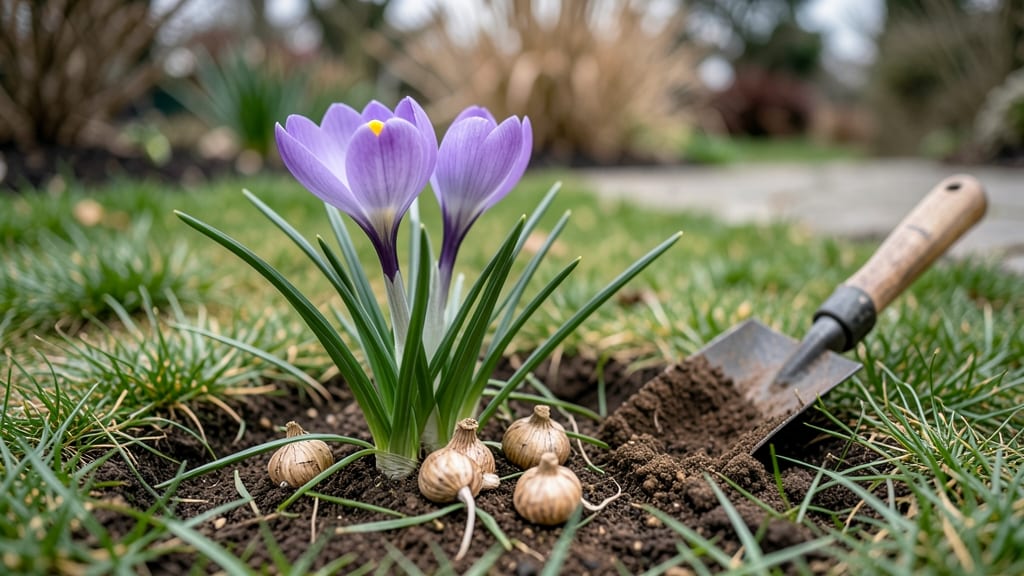
Growing crocus in your lawn means purple explosions before the grass even greens up. 🌱 I planted mine last fall, and now every February, my yard bursts with color while neighbors still stare at brown patches. The secret? Treat them like perennials, not annuals—they’ll come back stronger every year.
You’ll need just three things: well-draining soil, a small trowel, and a sunny spot. Plant bulbs 3-4 inches deep in fall, spacing them 2-3 inches apart.
Crocus thrives in thin grass or even bare soil—they don’t need rich dirt, just good drainage. Water lightly after planting, then forget about them until spring.
By March, you’ll see those first cheery blooms popping through snowmelt or dry grass. The best part? They multiply naturally, creating a carpet of color that spreads over time. No digging, no fuss—just early-season beauty that makes your lawn the first one in the neighborhood to wake up.
For long-term success, avoid heavy mulch (it smothers them) and resist the urge to fertilize. If blooms fade, leave the foliage until it yellows—it’s feeding next year’s flowers. In 3-4 years, you’ll have a self-sustaining crocus colony that needs almost no care. That’s the magic of naturalizing bulbs.
📚 In This Guide
- What you need
- Instructions
- Tips and common mistakes
- Wrapping up and next steps
What you need
- ● Crocus bulbs: Choose Crocus vernus (Dutch crocus) or Crocus tommasinianus (woodland crocus) for best results. Buy 10–20 bulbs per square foot for a lush look.
- ● Garden gloves: A pair of nitrile-coated gloves to protect your hands while handling soil and bulbs.
- ● Hand trowel: A 4–6 inch stainless steel trowel for gentle soil work.
- ● Ruler or measuring tape: For marking planting depths (3–4 inches deep for most crocus varieties).
- ● Watering can or hose with a gentle spray nozzle: Crocus bulbs need moderate moisture but hate soggy soil.
- ● Compost or well-aged manure: Mix a 1-inch layer into the soil to boost nutrients (skip if your lawn soil is already rich).
- ● Mulch (straw or shredded leaves): Lightly cover planted areas with ¼-inch mulch to retain moisture and deter weeds.
- ● Soil tester kit: Check your lawn’s pH (6.0–7.0 ideal) and adjust with lime or sulfur if needed.
- ● Fertilizer (low-nitrogen, 5-10-10): Apply lightly in early fall before planting for a head start.
- ● Planting grid or template: Helps space bulbs 3–4 inches apart for a uniform look.
How to plant crocus bulbs directly in your lawn
Skip the digging and enjoy vibrant spring blooms with this effortless method.
🌱 Step 1: Choose the Right Time and Location
Fall is your only window—aim for 6-8 weeks before your first frost, when soil temperatures drop to 60°F or below. Crocus bulbs need this cool period to establish roots before winter. In most regions, that means planting between September and October.
Pick a sunny spot in your lawn with 6+ hours of direct sun. Partial shade works, but you’ll get fewer blooms. Avoid low spots where water pools—crocus bulbs rot if soggy. I test spots by checking drainage: dig a 6-inch hole, fill it with water, and wait 30 minutes. If water remains, move to higher ground.
🌿 Step 2: Prepare the Soil Without Digging
Use a handheld bulb planter (or a long screwdriver in a pinch) to make holes 3-4 inches deep—about three times the bulb’s height. Space holes 3-4 inches apart in clusters of 3-5 bulbs for a natural look. Push the planter down firmly, then twist it out to create clean holes.
No need to amend the soil—crocus thrive in average lawn soil. If your grass is thick, simply cut a 2-inch circle of turf with a spade, lift it, and set it aside. This creates a perfect planting pocket without disturbing the roots around it.
🪴 Step 3: Plant the Bulbs and Recover the Grass
Place one bulb in each hole with the pointed end facing up. The bulb’s "nose" (the side with the shoot) should point toward the sky. Gently press soil around it until the hole closes—no need to pack it down. If you removed a turf plug, place it back over the bulb and press lightly to secure it.
Water deeply right after planting to settle the soil and encourage root growth. You’ll see green shoots in early spring, usually before grass greens up. This is your signal the bulbs are happy and ready to bloom.
☀️ Step 4: Maintain Through Spring and Summer
Leave the grass mower blade at its highest setting until after blooming. Crocus leaves provide energy for next year’s flowers—don’t cut them until they turn yellow in late spring or early summer. A light layer of mulch (like shredded leaves) helps retain moisture and suppress weeds.
Fertilizer isn’t necessary, but if your lawn gets a fall application, crocus will benefit from the nutrients. Avoid spring fertilizers—they’ll encourage leafy grass growth that shades out your blooms. Water only if rainfall is less than 1 inch per week during dry spells.
⏰ Step 5: Enjoy and Plan for Next Year
Crocus multiply over time, so you’ll get more blooms each year with minimal effort. After flowers fade, leave the foliage until it yellows naturally—this stores energy for next spring’s blooms. Mark planting spots with small flags if you tend to forget where they are.
For continuous color, plant different varieties that bloom at staggered times. Some varieties even naturalize and spread, creating a self-sustaining carpet of color. I’ve seen lawns with crocus blooming from February through April by mixing early, mid, and late varieties.
Tips & tricks for perfect crocus lawn planting
A few simple tricks will help your crocus bulbs thrive and multiply for years to come.
Timing is Everything: If you miss the 6-8 week window before your first frost, don't panic! Crocus bulbs can handle light frost, but they need that cool period to establish roots. I've planted as late as mid-November in mild climates and still gotten beautiful blooms. Just aim for before the ground freezes solid.
Bulb Orientation Matters: That pointed end facing up isn't just tradition—it's science! The "nose" of the bulb (where the shoot emerges) should point skyward. I've seen gardeners plant with the flat side up, and while they might sprout, they often produce fewer blooms. Take the extra second to orient them properly.
Drainage Test Savior: That 30-minute drainage test in Step 1 is your best friend for preventing bulb rot. I've learned this the hard way after losing entire batches of bulbs in soggy spots. If water remains after 30 minutes, either move to higher ground or create a small mound where you'll plant. A little elevation goes a long way for these delicate bulbs.
Mulch Magic: While not mentioned in the instructions, a light layer of mulch (like shredded leaves) after planting helps retain moisture and insulate bulbs through winter. I use about 1-2 inches of mulch, being careful not to pile it directly against the bulbs. This simple step can mean the difference between bulbs that survive and those that struggle.
Pro Tips for Growing Crocus In Lawn
- A few simple tricks will help your crocus bulbs thrive and multiply for years to come.
- Timing is Everything: If you miss the 6-8 week window before your first frost, don't panic!
- Bulb Orientation Matters: That pointed end facing up isn't just tradition—it's science!
Frequently asked questions
Got questions about adding crocus to your lawn? Here are answers to the most common ones—so you can enjoy those cheerful blooms with minimal fuss!
Do crocus bulbs need full sun to thrive in a lawn?
Crocus are surprisingly adaptable! While they prefer full sun (6+ hours daily) for the best blooms, they’ll tolerate partial shade (4+ hours). Just expect slightly fewer flowers in shadier spots. If your lawn is under trees, plant them where they’ll get morning sun at least.
How long does it take for crocus to bloom after planting?
Patience pays off! Most crocus bulbs sprout within 2–4 weeks of planting (fall) and bloom in 4–6 weeks. If you plant in spring, expect flowers the following year. For instant color, buy pre-sprouted bulbs or plant spring-blooming varieties like Crocus vernus.
Can I mow over crocus flowers, or will it ruin them?
Yes, but timing is key! Wait until the foliage yellows and dies back (6–8 weeks after blooming) before mowing. Cutting flowers too soon starves the bulb of energy for next year. For a showstopper lawn, mow around patches or plant crocus in low-traffic areas.
Are crocus bulbs deer- or rodent-proof?
Not quite! Deer and squirrels may nibble on bulbs or foliage. To deter them:
- Plant in well-drained soil (rodents hate soggy spots).
- Use deer repellent sprays early in the season.
- Choose taller varieties (like Crocus tommasinianus) to make them less accessible.
What’s the easiest crocus variety for beginners?
Start with these low-maintenance picks:
Variety
Color
Bloom Time
Crocus vernus (Dutch Crocus)
Purple, white, yellow
Late winter–early spring
Crocus tommasinianus (Tommy Crocus)
Purple, white, lavender
Early spring
Crocus chrysanthus (Snow Crocus)
White, yellow, purple
Winter–early spring
Wrapping up and next steps
Growing crocus in your lawn is a simple yet rewarding way to bring vibrant color to your outdoor space with minimal effort!
Whether you're a seasoned gardener or just starting out, these cheerful blooms prove that early spring beauty doesn’t require heavy digging or complex care. Now that you’re armed with the right tips and tools, why not take the next step? Plant a few bulbs this fall and enjoy the cheerful surprise of purple, white, or yellow flowers peeking through the grass next spring—nature’s way of saying “hello” after winter!