
Diseases
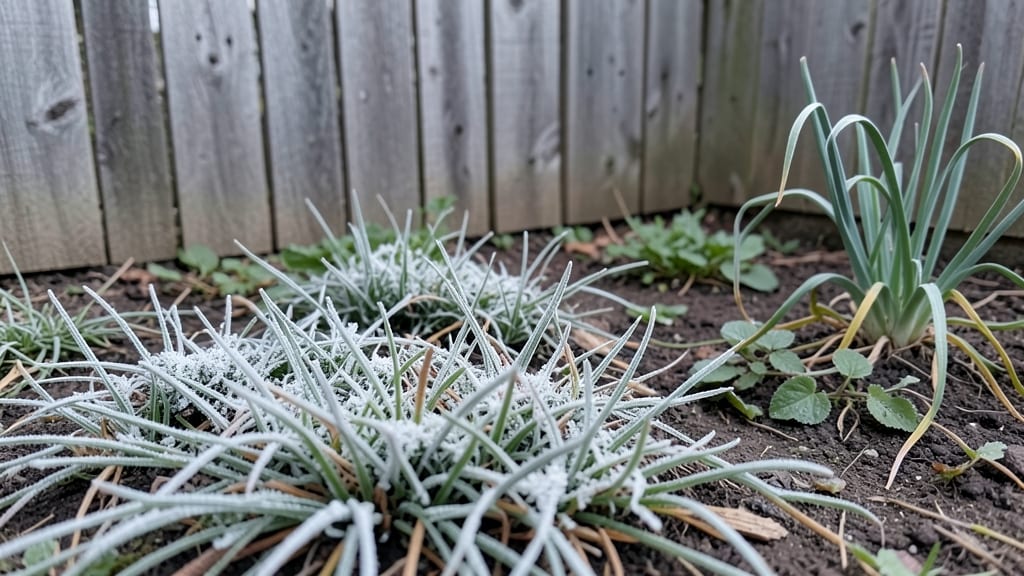
Winter mold on grass isn't just ugly—it's a sign your lawn is struggling to breathe under snow and ice. 🌱 I've seen entire yards turn into a fuzzy, gray mess by spring, but the right care can keep your grass looking healthy even when temperatures drop.
The key starts with understanding why mold takes hold in the first place.
Too much moisture, poor drainage, or thick layers of snow trapping heat all create the perfect conditions for mold. My lawn used to look like a science experiment after winter, but after learning to aerate in fall and avoid overwatering, the problem vanished.
The good news? You don't need fancy tools—just a rake, some patience, and a few simple steps to keep your grass resilient.
By spring, you'll have a lawn that's thick, green, and free of that dreaded gray fuzz. The secret is in the details: proper aeration, smart watering, and even a little fungicide if needed.
I'll show you exactly how to make winter mold a thing of the past—no more waking up to a lawn that looks like it's been abandoned.
This works for any climate, whether you're dealing with heavy snowpack or damp winters. Let's get your lawn winter-ready so it bounces back stronger than ever when the thaw comes.
The Hidden Triggers Behind Winter Lawn Fungus
Winter may seem like a dormant season for your lawn, but beneath the frost lies a perfect storm for grass winter mold—a sneaky problem that thrives when conditions align just right.
Understanding the root causes is the first step to outsmarting it. Let’s break down the science behind why your lawn becomes a buffet for fungal growth when temperatures drop.
###
🌡️ Cold Snaps + Warm Thaws = Fungal Feast
Fungal spores love temperature swings. When winter delivers a mix of freezing nights and sudden warm spells (think 30°F one day, then 50°F the next), your lawn’s grass blades and thatch layer absorb moisture while the soil stays cold.
This creates a condensation trap—ideal for fungal spores to germinate.
- Why it happens: Cold soil slows down microbial activity that normally breaks down organic matter. Without this breakdown, thatch builds up, trapping moisture and nutrients that fungi crave.
- Actionable insight: If your lawn is prone to winter mold, monitor local microclimates (e.g., low-lying areas or shady spots) where temperature fluctuations are more extreme.
###
💧 Excess Moisture: The #1 Fungal Fuel
Winter moisture—whether from snowmelt, heavy rain, or poor drainage—turns your lawn into a soggy playground for mold. Fungi like snow mold (Typhula spp.) and pink snow mold (Microdochium nivale) thrive in wet, compacted conditions with little airflow.
| Moisture Source | How It Feeds Fungi | Fix It With |
|---|---|---|
| Snowmelt pooling | Creates a thick, waterlogged layer that smothers grass and fuels spore growth. | Core aeration in fall + sand topdressing to improve drainage. |
| Overwatering before winter | Excessive irrigation before frost locks in moisture, delaying drying. | Water deeply but reduce frequency 4–6 weeks before first freeze. |
| Clay or compacted soil | Prevents water absorption, leading to surface runoff and thatch buildup. | Gypsum or compost amendments to improve soil structure. |
###
🌱 Weakened Grass Defenses
Stressed grass is fungi’s best friend. When lawns are nutrient-depleted, compacted, or overrun with weeds, their natural resistance plummets. Winter adds another layer: dormant grass (like Kentucky bluegrass or perennial ryegrass) can’t photosynthesize, making it easier for fungi to latch on.
- Key stressors:
- Lack of fall fertilization (low nitrogen = weak roots).
- Thatch layers > ½ inch thick (blocks oxygen and water flow).
- Weed invasion (e.g., chickweed or annual bluegrass), which outcompete grass.
- Pro tip: Test your soil in early fall to check pH and nutrient levels. Aim for a pH of 6.0–7.0—fungi love acidic soils (< pH 5.5).
###
🌿 Thatch Buildup: The Silent Mold Magnet
Thatch—a layer of dead grass, roots, and debris—isn’t inherently bad, but when it exceeds ½ inch, it becomes a fungal hideout. Thatch traps moisture, blocks sunlight, and creates a cozy microclimate where spores explode in spring.
How to spot it: Dig a small section of lawn (2–3 inches deep). If you see a spongy, brownish layer between soil and green grass, that’s thatch.
- Why it’s dangerous: Thatch insulates warmth, keeping fungal spores active even under snow. Some molds (like dollar spot) can overwinter here, re-emerging as soon as temps rise.
- Solution: Dethatch in early fall using a rake or vertical mower (never in winter—it stresses cold-dormant grass).
Next up: How to diagnose winter mold early and stop it before it spreads. 🚀
Quick Fixes for Fungal Lawn Fungus
Winter mold—often called snow mold—can turn your lawn into a patchy, grayish mess after the snow melts. But don’t worry! With the right approach, you can revive your grass and prevent future outbreaks.
Below, we’ve mapped out practical solutions based on the most common causes, along with preventive tips to keep your lawn healthy year-round.
🔥 Overwatering or Poor Drainage? Fix It Fast
If your lawn stays soggy for too long—especially under snow—fungus thrives. Here’s how to dry it out and improve airflow:
- ⏰ Rake away thick snow (if safe) to reduce weight and improve drainage.
- 🌡️ Test soil moisture—stick a screwdriver in the ground. If it goes in easily, your lawn is too wet. Wait before watering.
- 🔪 Aerate compacted soil in spring to help water absorb better. Rent a core aerator or hire a pro.
- 🌱 Adjust irrigation—water deeply but less frequently (early morning is best). Avoid evening watering, which promotes fungal growth.
💡 Pro Tip: If your yard has low spots, consider grading or adding a slight slope to help water flow away from grass.
🍳 Fungal Spots Already Appearing? Treat Them Now
If you spot circular gray or pinkish patches, act quickly to stop the spread:
- 🧹 Remove affected grass—cut out circular patches (about 6 inches beyond the mold) and dispose of them in the trash (not compost).
- 💊 Apply fungicide—use a preventive fungicide like propiconazole or chlorothalonil in early spring before mold spreads. Follow label instructions!
- 🌿 Overseed bare spots—once the weather warms, spread cold-resistant grass seed (like Kentucky bluegrass or tall fescue) and cover with straw.
- 🌞 Boost sunlight exposure—trim overgrown trees or bushes shading the lawn to help grass dry faster.
⚠️ Warning: Avoid fungicides with thiophanate-methyl—they’re less effective on snow mold.
👨🍳 Prevention Starts in Fall (Yes, Really!)
Stop mold before it starts with these seasonal strategies:
| Season | Task | Why It Works |
|---|---|---|
| Fall | ✂️ Mow grass short (but not scalped!) before first frost. | Reduces thatch buildup, which traps moisture. |
| Fall | 🍂 Rake up leaves and debris—don’t let them smother grass. | Prevents fungal spores from overwintering. |
| Winter | 🏔️ Shovel snow off grass in heavy-snow areas. | Reduces compaction and improves air circulation. |
| Spring | 🌱 Apply a slow-release nitrogen fertilizer (like 24-0-6). | Strengthens grass roots for faster recovery. |
🎯 Golden Rule: Healthy grass resists mold better! Test your soil in early spring and adjust pH (aim for 6.0–7.0) if needed.
✨ Long-Term Lawn Care for Mold Resistance
For a year-round defense against winter mold, build these habits into your routine:
- 🌱 Choose resilient grass types—perennial ryegrass and fine fescue handle cold and wet conditions better than others.
- 💪 Strengthen roots with deep watering—water 1–1.5 inches per week (including rain) to encourage deep root growth.
- 🔄 Rotate fungicides if you use them, to prevent resistance.
- 🌡️ Monitor weather—if your area gets freezing rain or heavy snow often, plan for extra aeration in spring.
With these steps, your lawn can bounce back from winter mold—and stay lush and fungus-free next season! 🌿
Frequently asked questions
Why does my lawn get gray fuzz in winter even after I rake the leaves?
That gray fuzz is likely snow mold, which thrives when thick thatch or compacted soil traps moisture under snow. Raking leaves helps, but fungal spores can still survive in the thatch layer. The real fix is core aeration in fall to break up compaction and improve drainage before winter hits.
Can I use regular lawn fungicide to treat winter mold?
Not all fungicides work on winter mold! Look for products containing propiconazole or chlorothalonil—these are most effective against snow mold. Avoid fungicides with thiophanate-methyl, as they won't stop fungal growth in cold, wet conditions. Apply in early spring before mold spreads.
Will my grass recover if I just wait until spring?
Yes, but only if you take action! Winter mold weakens grass roots, so simply waiting lets bare spots spread. After the snow melts, remove affected patches, overseed with cold-resistant grass, and apply a slow-release nitrogen fertilizer to rebuild strength. Without treatment, mold can return next winter.
How do I know if my lawn has too much thatch?
Dig a small section (2-3 inches deep) and check for a spongy brown layer between the soil and green grass. If it's thicker than ½ inch, that's your problem! Thatch traps moisture and fuels fungal growth. Fix it by dethatching in early fall with a rake or vertical mower.
Is pink snow mold different from gray snow mold?
Yes! Pink snow mold (Microdochium nivale) leaves behind pinkish circular patches, while gray snow mold (Typhula spp.) creates gray, fuzzy mats. Both thrive in cold, wet conditions, but pink snow mold often appears in shady, damp areas first. Treat both the same way—remove affected grass and improve drainage.