
Lawn
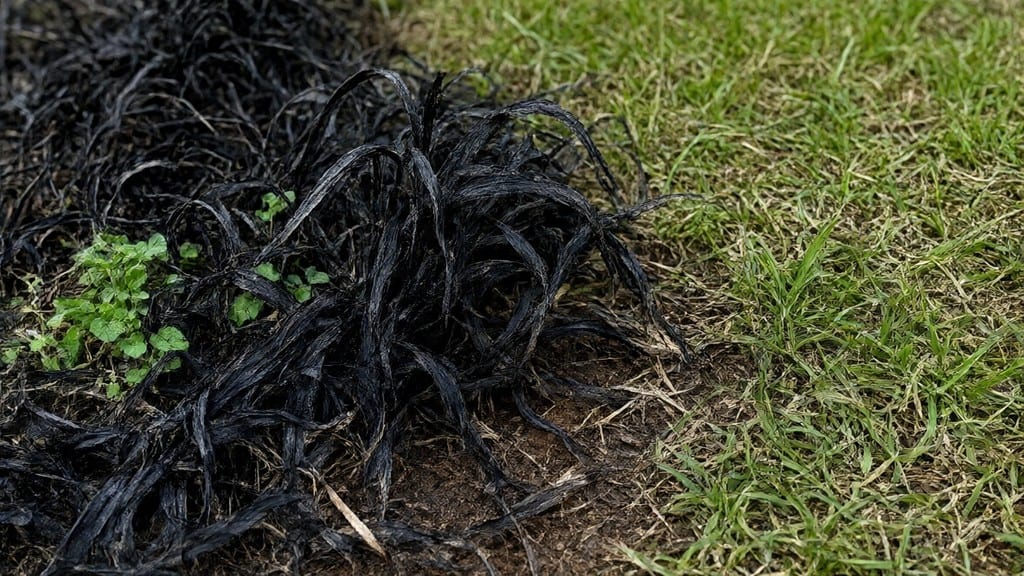
Your lawn turning black overnight isn’t just unsightly—it’s a cry for help from your grass.
I’ve seen this happen after a single night of frost, a weekend of overwatering, or even from a neighbor’s stray herbicide spray, and the good news is most cases have quick fixes that save your yard. The key is figuring out what’s causing the damage before it spreads.
Fungal diseases like brown patch or dollar spot thrive in damp, warm conditions and leave behind those telltale blackened patches. But it could also be grubs munching on roots, drought stress from compacted soil, or even herbicide burn from misapplied chemicals.
The first step is diagnosing: check for slimy spots, chewed blades, or chemical residue—each points to a different solution.
Once you identify the problem, recovery is faster than you’d think. Fungal issues? A single application of fungicide and proper watering (deep but infrequent) can turn things around in 2-3 weeks.
Grubs? Beneficial nematodes or milky spore work within a month. Even herbicide damage can bounce back with overseeding and a little patience—just avoid reapplying chemicals until you’re sure the soil’s safe.
Here’s the thing—most blackened grass isn’t dead if you act fast. With the right approach, you’ll see green regrowth within days, not seasons. Let’s get your lawn back to its best before the problem takes hold.
Root Causes Of Darkened Grass
When your lawn starts turning black, it’s usually a sign that something’s gone wrong beneath the surface. Understanding the why behind the discoloration is the first step to restoring your grass’s vibrant green.
Below, we break down the most common culprits—from hidden pests to environmental stress—with clear explanations of how they damage your turf.
###
🌱 Fungal Infections: The Silent Invaders
Fungal diseases like Rhizoctonia, Dollar Spot, or Brown Patch thrive in warm, damp conditions and can cause grass to blacken rapidly. These pathogens attack the blades and roots, disrupting the plant’s ability to absorb nutrients and water.
- How it happens: Overwatering, poor drainage, or thick thatch layers create the perfect fungal breeding ground. Dark, greasy spots that spread quickly are classic signs.
- Key identifiers:
- Black or dark brown patches that feel spongy underfoot
- Grass that pulls up easily (indicating root damage)
- Wet weather followed by sudden discoloration
- Actionable fix: Improve airflow with proper mowing height (never cut more than ⅓ of the blade at once) and reduce watering frequency. Fungicides can help in severe cases.
###
🐜 Insect Damage: Hidden Lawn Munchers
Grubs, chinch bugs, and sod webworms don’t just nibble—they can kill grass from the inside out. Their feeding weakens roots, leading to blackened, patchy areas that pull up like a rug.
- How it happens: Grubs (larvae of beetles) chew on roots, while chinch bugs pierce blades to suck out sap. Both leave behind wilted, blackened grass that recovers slowly.
- Key identifiers:
- Thin, patchy areas that worsen in heat
- Visible grubs when you dig up a small section of turf
- Adult insects (like beetles) near the lawn at dusk
- Actionable fix: Apply beneficial nematodes or insecticidal soap for mild infestations. For grubs, treat in early summer with Bacillus thuringiensis (a natural bacteria). Aerate compacted soil to deter future pests.
###
💧 Overwatering Or Poor Drainage
Too much water—or water that can’t escape—strangles grass roots by cutting off oxygen. This leads to anaerobic conditions, where soil bacteria thrive and turn grass black through a process called denitrification.
- How it happens: Heavy clay soil, compacted turf, or frequent deep watering (without drying periods) trap moisture. Roots suffocate, and the grass turns black and mushy.
- Key identifiers:
- Black, slimy patches that smell sour
- Grass that stays soggy for days after rain
- Puddles lingering in low-lying areas
- Actionable fix:
- Test soil drainage: Dig a 6-inch hole, fill it with water, and time how long it takes to drain. If it’s slower than 6 hours, amend with sand or compost.
- Water deeply but infrequently—aim for 1 inch per week (including rain). Early morning is best to reduce fungal risk.
- Core aerate compacted soil in fall to improve airflow.
###
⚡ Chemical Burns: Fertilizer Or Herbicide Damage
Too much of a good thing—like synthetic fertilizers or pre-emergent herbicides—can scorch grass blades and roots, turning them black within days. Even "organic" overapplication can cause salt buildup in soil.
- How it happens: High nitrogen concentrations (especially from urea-based fertilizers) burn cell membranes. Herbicides like 2,4-D can drift or seep into soil, killing desirable grass.
- Key identifiers:
- Blackened edges on grass blades (fertilizer burn)
- Streaks or random dead patches (herbicide drift)
- White crust on soil surface (salt buildup)
- Actionable fix:
- Flush soil with water to dilute salts (½ inch per day for 3 days).
- Use slow-release fertilizers and follow label rates.
- Apply a chelated iron supplement to revive stressed grass.
###
🌡️ Extreme Heat Or Cold Stress
Grass is resilient, but sudden temperature swings—like freeze-thaw cycles or prolonged drought—can shock plants into turning black. Cool-season grasses (like Kentucky bluegrass) may brown in summer heat, while warm-season types (like Bermuda) suffer in frost.
- How it happens: Cold snaps cause cellular rupture in blades, while heat stress leads to oxidative damage (like sunburn for plants). Both weaken the plant’s ability to photosynthesize.
- Key identifiers:
- Uniform blackening after a hard frost or heatwave
- Grass that recovers slowly when conditions improve
- Wilting or crispy blades (heat stress)
- Actionable fix:
- Adjust mowing height: Higher in summer (3–4 inches) to retain moisture; lower in spring/fall (2–3 inches) for cool-season grasses.
- Apply a mulch layer (straw or wood chips) to protect roots in winter.
- Water deeply before extreme heat hits to build root resilience.
Pro Tip: 🔍 Diagnose before treating! Dig up a small section of blackened grass to check for grubs, fungi, or root health. A soil test (available at local extension offices) can reveal nutrient deficiencies or pH imbalances—often the hidden cause of discoloration.
Quick Fixes for Reviving Darkened Grass
If your lawn is turning black, don’t panic—most causes have simple, effective solutions. Below, we’ve mapped the most common culprits to step-by-step fixes, plus prevention tips to keep your grass lush and green. Whether it’s disease, pests, or environmental stress, these remedies will help restore your lawn’s vibrancy.
🌱 Fixing Fungal Diseases (Brown Patch, Dollar Spot, Snow Mold)
Fungal infections thrive in damp, warm conditions, leaving behind dark, mushy patches. Act fast to stop the spread!
🔥 Step 1: Remove Infected Grass
- Cut out the blackened areas with a shovel or sharp knife, digging down 2–3 inches to eliminate spores.
- Dispose of clippings in a sealed bag (don’t compost them!).
🍳 Step 2: Improve Airflow & Drainage
- Thin out dense grass with a rake or mower to reduce humidity.
- Aerate compacted soil to help water drain faster (rent a core aerator if needed).
- Water early in the morning (avoid evening watering, which traps moisture).
👨🍳 Step 3: Apply Fungicide
- Use a copper-based fungicide or a product with propiconazole (e.g., BioAdvanced Fungus Control).
- Follow label instructions—typically every 2–4 weeks until the issue resolves.
- Prevention tip: 💡 Apply fungicide before rainy seasons or high-humidity periods.
⏰ Step 4: Boost Grass Resilience
- Overseed bare spots with disease-resistant grass seed (e.g., tall fescue or Kentucky bluegrass).
- Fertilize lightly with a low-nitrogen, high-phosphorus blend to encourage root growth.
🐜 Solving Pest Damage (Grubs, Chinch Bugs, Sod Webworms)
Pests chew roots and stems, causing grass to wilt and turn black. Here’s how to evict them for good!
🔪 Step 1: Identify the Culprit
- Grubs: Dig up a small patch—if you see white, C-shaped larvae, it’s grubs.
- Chinch bugs: Look for tiny black bugs with white markings; check under leaves.
- Sod webworms: Thin, brown patches with silky webbing.
🌡️ Step 2: Treat with Insecticides
- Grubs: Apply imidacloprid (e.g., Merit) or carbaryl (Sevin) granules to the soil.
- Chinch bugs: Use a pyrethrin-based spray (e.g., PyGanic) or neonicotinoid granules.
- Sod webworms: Treat with bacillus thuringiensis (Bt) or spinosad (e.g., Captain Jack’s).
🎯 Step 3: Encourage Natural Predators
- Birds, toads, and beneficial nematodes eat grubs and bugs. Avoid overwatering to deter pests.
- Prevention tip: ✨ Mow high (3–4 inches) to shade soil and deter chinch bugs.
🔄 Step 4: Repair Damaged Areas
- Rake out dead grass and overseed with fast-growing ryegrass for temporary cover.
- Water lightly until new grass establishes (keep soil moist but not soggy).
☀️ Recovering from Heat or Drought Stress
Blackened grass from drought or scorching sun often recovers with proper care—just give it time and hydration.
💧 Step 1: Deep Watering
- Water 1–1.5 inches per week, splitting into 2–3 sessions (e.g., 30 mins in the morning, 30 mins in the evening).
- Use a soaker hose or rain gauge to monitor moisture.
- Pro tip: 🌡️ Water when the top 1–2 inches of soil feel dry (stick your finger in to test!).
🌿 Step 2: Adjust Mowing Habits
- Stop bagging clippings—leave grass clippings as "free mulch" to retain moisture.
- Raise the mower blade to 3–4 inches to shade roots and reduce evaporation.
🍂 Step 3: Fertilize for Recovery
- Apply a slow-release fertilizer with iron and potassium to strengthen roots.
- Avoid high-nitrogen fertilizers—they dehydrate grass faster.
🌱 Step 4: Overseed Bare Spots
- Once the lawn shows signs of recovery (green shoots appear), overseed with drought-tolerant varieties like:
- Buffalo grass (low water needs)
- Zoysia (heat-resistant)
- Prevention tip: ⚡ Install drip irrigation or smart sprinklers to automate watering.
❄️ Reviving Winter or Freeze Damage
Cold snaps can turn grass black, but with patience and care, it often bounces back in spring.
🔄 Step 1: Wait for Warmth
- Avoid disturbing the lawn until temps stay above 50°F (10°C) for 3+ days.
- Blackened grass may just be dormant—don’t reseed yet!
💡 Step 2: Light Raking & Aeration
- Once thawed, rake out dead patches gently to expose soil.
- Aerate if the ground is compacted (helps roots breathe).
🌱 Step 3: Overseed in Spring
- Choose cool-season grasses (e.g., fescue, ryegrass) for early spring planting.
- Apply a starter fertilizer with phosphorus to encourage root growth.
🚫 Step 4: Avoid Common Mistakes
- Don’t fertilize in winter—it encourages weak growth.
- Don’t walk on frozen grass—it crushes emerging shoots.
Final Tip: Most lawns recover within 2–6 weeks with consistent care. If black patches persist beyond summer, test your soil (pH, nutrients) or consult a local lawn care expert. 🌟
Frequently asked questions
Why does my grass turn black in patches but not all over?
Blackened patches usually indicate localized issues like fungal infections (e.g., brown patch) or pest damage (grubs). These problems thrive in damp, shaded areas where airflow is poor. Check for slimy spots (fungus) or dig up a small section—if you see white grubs, that’s your culprit.
Can black grass come back green on its own?
Sometimes! If the blackening is from drought stress or light frost, grass may recover with proper watering and time. However, fungal damage or severe pest infestations require treatment (fungicide or nematodes) to revive. Test a small patch first—if roots are still alive, recovery is possible.
How do I tell if my black grass is dead or just dormant?
Pull up a small section: if roots are white and mushy (fungus), black and crumbly (drought), or completely gone (pests), it’s dead. If roots are firm and green, it’s dormant—likely from cold or heat stress. Wait 2–3 weeks; if no regrowth, treat the cause.
Will overwatering fix black grass?
No—overwatering worsens fungal issues and suffocates roots, turning grass black. Instead, water deeply but infrequently (1 inch per week) and improve drainage. For soggy lawns, aerate or add compost to break up compacted soil.
Can I use household items (vinegar, baking soda) to treat black grass?
Vinegar (acetic acid) can burn grass further, while baking soda may help with pH imbalances—but neither fixes fungal or pest issues. Stick to targeted solutions: fungicides for diseases, nematodes for grubs, or proper watering for stress.