
Lawn
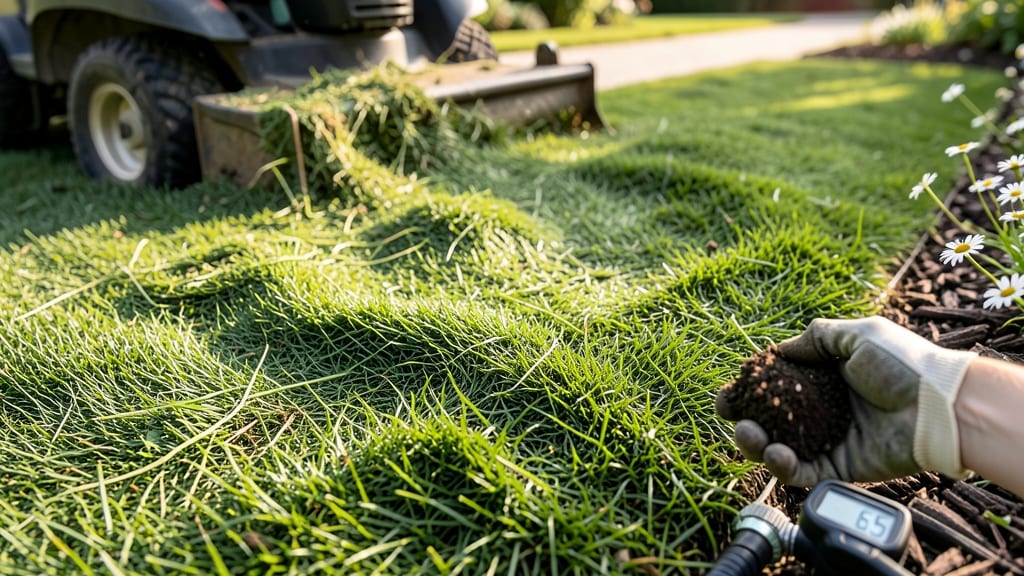
A grass turf lawn that stays vibrant all season isn’t a fantasy—it’s a well-planned reality. 🌱 I’ve transformed my patchy yard into a lush carpet by focusing on the right grass type, soil prep, and consistent care. The secret?
Treating your lawn like a living ecosystem, not just a green carpet. Start with your soil—test it and amend with compost if needed. Choose grass seed suited to your climate and foot traffic (cool-season types like Kentucky bluegrass thrive in northern zones, while Bermuda grass dominates the South).
Plant in early fall or spring when temperatures cooperate, and water deeply but infrequently to encourage deep root growth. By summer’s end, you’ll have a lawn that resists weeds, recovers from drought, and stays soft underfoot.
The key is patience: a healthy turf takes 3-4 months to establish, but the payoff is worth every drop of water and hour of mowing. This method works for small patches or full backyards—just scale the supplies. Ready to ditch the bare spots for good? Let’s get growing.
📚 In This Guide
- What you need
- Instructions
- Tips and common mistakes
- Wrapping up and next steps
What you need
- ● Grass turf rolls – Choose disease-resistant varieties like Zoysia, Bermuda, or Fescue (coverage: ~1 roll per 10 sq. ft. of lawn area).
- ● Soil amendment – Topsoil or compost (2–4 inches deep, depending on soil quality).
- ● Fertilizer – Slow-release, organic option (e.g., 10-10-10 or 16-4-8 NPK ratio).
- ● Mulch or straw – To retain moisture (1–2 lbs per 100 sq. ft.).
- ○ Weed barrier fabric – Optional but recommended (for weed suppression).
- ● Shovel & rake – For soil prep and leveling.
- ● Lawn roller (100–150 lbs) – To ensure turf bonds to soil.
- ● String line & stakes – For marking straight edges.
- ● Water hose with sprinkler – Or a soaker hose (for deep hydration).
- ● Knee pads & gloves – Because comfort matters!
- ● Sunlight assessment – 6+ hours of sun/day (most turf grasses thrive here).
- ● Soil test – Check pH (ideal: 6.0–7.0) and amend as needed.
- ● Clear debris – Remove rocks, roots, and weeds before installation.
- ● Weather check – Install on a cool, cloudy day (avoid extreme heat or frost).
Step-by-Step instructions for establishing a lush grass turf lawn
Here’s the straightforward method I’ve used to create vibrant, low-maintenance lawns that stay green all season.
🪴 Step 1: Prepare the Soil for Optimal Growth
Start by removing any existing weeds, rocks, or debris from the area using a garden rake. You want a clean, level surface—uneven spots will create puddles or dry patches later. Test your soil’s pH with a kit; most grasses thrive in a range of 6.0 to 7.0. If your soil is too acidic or alkaline, amend it with lime or sulfur before proceeding.
Loosen the top 4 to 6 inches of soil with a tiller or garden fork to improve drainage and aeration. This step is critical—compacted soil smothers roots and leads to patchy growth. Once tilled, rake the surface smooth and firm it lightly with a lawn roller or by walking over it. A properly prepped base ensures your turf takes root evenly and stays resilient.
🌱 Step 2: Choose and Lay the Turf Properly
Select turfgrass that matches your climate and sunlight conditions—cool-season grasses like Kentucky bluegrass work well in northern regions, while Bermuda or Zoysia thrive in southern heat. Lay the turf rolls staggered, like bricks, with the ends butted tightly together. Avoid overlapping seams, as this can cause uneven growth or bare spots.
Unroll the turf carefully, using a sharp utility knife to trim pieces to fit edges or curves. Press the rolls firmly into the soil so they make full contact—no gaps or air pockets. Water immediately after laying to help the edges settle and eliminate gaps. This step prevents the turf from drying out or shifting before roots establish.
💧 Step 3: Water Consistently for Strong Root Establishment
For the first 2 weeks, water your new lawn lightly but frequently—about ¼ inch per day—to keep the top 1 to 2 inches of soil moist. Overwatering can suffocate roots, while underwatering causes the turf to dry out and pull away from the soil. Use a sprinkler with even coverage, and water in the early morning to reduce evaporation and fungal risks.
After 2 weeks, gradually reduce watering to 1 inch per week, including rainfall. You’ll know your lawn is established when you can walk on it without leaving footprints—this usually takes 4 to 6 weeks. Deep, infrequent watering encourages deep root growth, making your lawn drought-resistant over time.
☀️ Step 4: Mow and Maintain for Long-Term Health
Wait 7 to 10 days before your first mow to let the roots establish. Set your mower to 3 to 4 inches for cool-season grasses or 1 to 2 inches for warm-season varieties—never remove more than ⅓ of the blade height in one mowing. A higher setting shades the soil, reducing weed growth and moisture loss.
Mow regularly, but avoid mowing when the grass is wet—this can clump and tear the blades. Leave clippings on the lawn (they return nutrients to the soil) unless they’re long or thick. Fertilize 4 to 6 weeks after installation with a slow-release, balanced fertilizer to support steady growth without burning the grass.
✂️ Step 5: Address Common Issues Early
Brown patches? Check for uneven watering or soil compaction—core aerate if needed. Yellowing grass often signals overwatering or poor drainage. If weeds pop up, hand-pull them early or apply a pre-emergent herbicide in spring. Avoid heavy foot traffic for the first 3 to 4 weeks to prevent damaging tender roots.
Real talk: Even the best-laid lawns need adjustments. If your turf looks sparse after a month, thin it with a mix of sand and compost to improve soil contact. And if you see mushrooms popping up, they’re harmless—they’re just recycling organic matter in your soil.
Tips & tricks for perfect grass turf lawn installation
Took me a while to figure these out, so here’s how to avoid the common pitfalls that trip up even experienced gardeners.
Soil Prep is Everything: In Step 1, when you're loosening that top 4-6 inches of soil, don't just scratch the surface. Use your tiller or fork to break up the soil until it looks like crumbly cake—not compacted dirt. I learned this the hard way after ruining three lawns with poor drainage. Also, if your soil feels gummy when wet, mix in some coarse sand to improve aeration. This single step makes all the difference for root establishment.
Turf Laying Technique: When you're laying those turf rolls in Step 2, here's what nobody tells you—stagger the seams like brickwork, but don't worry about perfect alignment at first. The real secret is to press down firmly along the edges with your hands or a lawn roller. I've seen people skip this and end up with gaps that let weeds creep in. After pressing, do a quick visual check for any lifted edges and press those down too. It takes 10 minutes but prevents weeks of headaches.
Watering Wisdom: During those critical first 2 weeks in Step 3, set a timer for your sprinkler so you're not guessing about that ¼ inch per day. I use a rain gauge to measure—it's the only way to know for sure. And here's a pro move: water in the early morning when temperatures are cooler. This reduces evaporation and gives the grass time to dry out during the day, preventing fungal diseases. Trust me on this.
Mowing Secrets: When you're ready for that first mow in Step 4, don't cut more than ⅓ of the blade height at once—this is non-negotiable. I see people mow too short too soon and end up with stressed grass that browns out. Also, make sure your mower blade is sharp! A dull blade tears the grass instead of cleanly cutting it, which stresses the plant. A sharp blade makes all the difference in how your lawn recovers after mowing.
Pro Tips for Grass Turf Lawn
- Took me a while to figure these out, so here’s how to avoid the common pitfalls that trip up even experienced gardeners.
- Soil Prep is Everything: In Step 1, when you're loosening that top 4-6 inches of soil, don't just scratch the surface.
- Turf Laying Technique: When you're laying those turf rolls in Step 2, here's what nobody tells you—stagger the seams like brickwork, but don't worry about perfect alignment at first.
Frequently asked questions
Got questions about maintaining a grass turf lawn that stays lush with minimal effort? You’re not alone! Here are some of the most common concerns—and straightforward answers to help you keep your lawn looking its best year-round.
How often should I water my grass turf lawn to keep it green without overwatering?
Water deeply 2-3 times per week (about 1-1.5 inches total) rather than daily shallow watering. Early morning (before 10 AM) is ideal to reduce evaporation and fungal risks. Adjust in rainy seasons—let nature do the work! Pro tip: Use a rain gauge or tuna can to measure—your thumb isn’t always accurate.
When is the best time to install grass turf for long-term success?
Spring (March–May) or early fall (September–October) are the sweet spots for installation. Soil is warm enough for roots to establish but not scorching, and competition from weeds is minimal. Avoid extreme heat or frost—your turf will struggle to take hold.
Is grass turf more expensive than seeding a lawn? What’s the cost breakdown?
Upfront, grass turf costs $0.50–$2 per square foot (installed), while seeding runs $0.10–$0.50/sq ft but requires extra time for germination. However, turf saves money long-term with less water, fewer weeds, and instant coverage. Factor in soil prep, fertilizer, and labor—turf often pays off in 1–2 years.
How do I deal with weeds, pests, or brown patches in my grass turf?
Start with preventive care: Mow high (3–4 inches), aerate annually, and fertilize seasonally. For weeds, spot-treat with vinegar (organic) or herbicide. Pests like grubs? Apply nematodes or milky spore. Brown patches? Check for fungus (thatch buildup) or drought stress—adjust watering and overseed thin areas.
Can I use grass turf in shady areas, or is it better for sunny spots?
Most grass turfs thrive in full sun (6+ hours/day), but shade-tolerant options like fine fescue or Zoysia work well in low-light areas. Avoid turf in deep shade—consider ground covers or mulch instead. If you must use turf, choose a dense, slow-growing variety to outcompete weeds.
Wrapping up and next steps
A grass turf lawn isn’t just a dream—it’s a realistic, low-maintenance reality for any homeowner! With the right materials, smart planning, and a few simple upkeep tricks, you can enjoy a lush, green space year-round without the hassle.
Whether you’re tackling installation yourself or hiring pros, the key is consistency and care.
Ready to transform your outdoor space? Start small—pick a section, gather your supplies, and dive in! Soon, you’ll be the envy of the neighborhood with a stunning grass turf lawn that feels like a breeze to maintain. 🌱✨