
Lawn
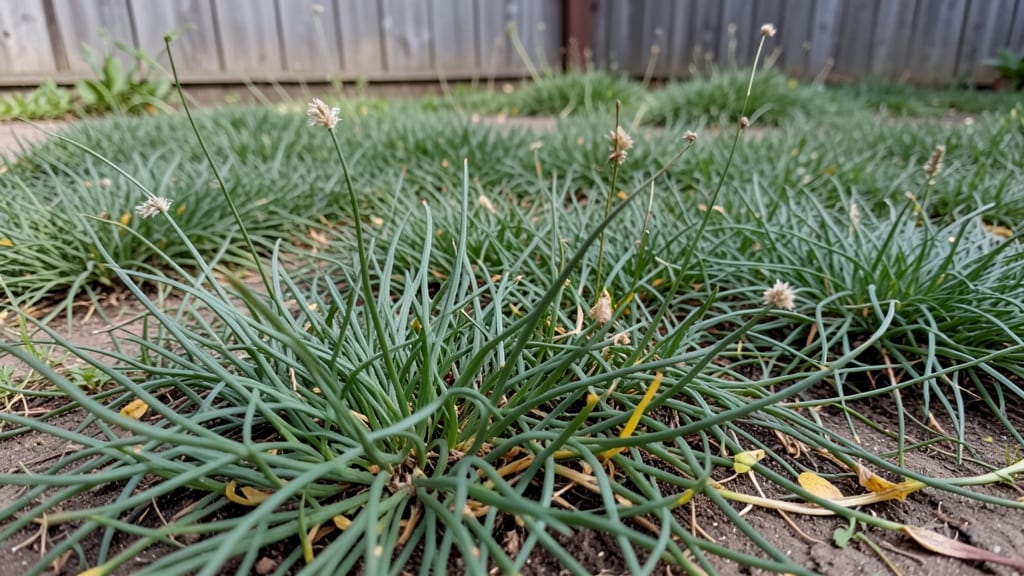
Creeping grass 🌱 that crawls across your lawn can turn a well-manicured yard into a tangled mess if left unchecked.
Picture this: You’ve just spent hours mowing, edging, and fertilizing, only to wake up the next morning and find your prized flower beds under siege by a relentless green tide. That’s the power of aggressive spreaders like Bermuda or crabgrass—they don’t just grow; they conquer.
But here’s the good news: You don’t need harsh chemicals or backbreaking labor to reclaim your yard. With the right techniques—from smart soil prep to strategic pruning—you can tame even the most invasive varieties while keeping your landscape lush and healthy.
In this guide, I’ll walk you through identifying the culprits, natural control methods, and long-term strategies to stop creeping grass in its tracks—so you can enjoy a yard that stays as neat as you want it.
Identifying and understanding creeping grass types that spread
If you’ve ever noticed your lawn developing patches of aggressive, sprawling grass that refuses to stay contained, you’re likely dealing with creeping grass varieties. These grasses spread rapidly through rhizomes, stolons, or seeds, transforming neat lawns into tangled messes.
Understanding their growth habits is the first step to reclaiming your yard without resorting to harsh chemicals.
Creeping grasses thrive in disturbed soils, poor lawn care practices, or competitive environments where desirable grasses struggle. They often outcompete native species by forming dense mats that choke out other plants. Recognizing these invaders early allows you to implement targeted control methods before they take over entirely.
| Grass Type | Spread Method | Seasonal Growth | Key Features |
|---|---|---|---|
| Bermuda Grass | Rhizomes & Stolons | Peaks spring-fall | Dark green, drought-resistant, forms dense mats |
| Crabgrass | Seeds & Stolons | Explodes in summer | Broadleaf appearance, yellowish-green, weak roots |
| Kikuyu Grass | Stolons | Year-round in warm climates | Fine texture, fast-spreading, thrives in heat |
| Nutsedge | Tubers & Stolons | Worsens in wet seasons | Triangular stems, yellow-green, resembles grass but isn't |
| Creeping Bentgrass | Stolons | Cool-season growth | Fine blades, soft texture, common in golf courses |
One of the most invasive creeping grasses is Bermuda grass, which spreads through both rhizomes (underground stems) and stolons (above-ground runners). This grass forms dense networks that can smother other plants and even crack sidewalks as it expands.
Its aggressive nature makes it a nightmare for homeowners in warm climates, where it can dominate lawns within a single growing season.
Another common culprit is crabgrass, which spreads primarily through seeds and stolons. Unlike Bermuda grass, crabgrass thrives in poor soil conditions and often invades lawns during hot, dry summers. Its broadleaf appearance and weak root system make it easier to spot but harder to eradicate without consistent maintenance.
If you’re dealing with a fast-spreading, fine-textured grass in warmer regions, you might have Kikuyu grass. This grass spreads exclusively through stolons and can grow up to 6 inches per day under ideal conditions.
It’s particularly problematic in tropical and subtropical climates, where it outcompetes native grasses and forms nearly impenetrable mats.
Nutsedge is another deceptive invader that mimics grass but isn’t one. It spreads through tubers and stolons, making it resilient to many traditional lawn treatments. Recognizing its triangular stems and yellow-green color is key to distinguishing it from true grasses and applying the right control methods.
For cooler climates, creeping bentgrass is a common lawn grass that spreads aggressively via stolons. While it’s often used in golf courses and sports fields for its soft texture, it can easily invade home lawns if not managed properly.
Its fine blades and cool-season growth habit make it a persistent challenge for gardeners in regions with mild winters.
To distinguish creeping grasses from desirable lawn grasses, focus on their growth patterns and root structures. Desirable grasses like Kentucky bluegrass or fescue typically form bunch-type growth with fibrous roots, while invasive creeping grasses spread horizontally through rhizomes or stolons.
Pay attention to how the grass spreads—if it’s forming thick, tangled mats, you’re likely dealing with an invasive variety.
Early identification is crucial because creeping grasses establish deeper root systems as they mature, making removal more difficult. Regularly inspect your lawn for unusual growth patterns, especially along edges, driveways, or areas with poor soil quality.
Catching these invaders early gives you the best chance of natural control methods working effectively.
Understanding the seasonal growth patterns of creeping grasses also helps with timing your control efforts. Most aggressive spread occurs during peak growing seasons, such as late spring through early fall for Bermuda grass or summer for crabgrass.
Targeting these periods with manual removal or smothering techniques maximizes your chances of success.
Natural methods to stop creeping grass without chemicals
Creeping grass can turn your pristine lawn into an unmanageable tangle of runners, but you don’t need harsh chemicals to reclaim your yard. The key is using targeted organic methods that weaken the grass while protecting your soil and surrounding plants.
I’ve found that combining manual removal, natural herbicides, and competitive planting delivers the best long-term results without harming the environment.
Before diving into solutions, it’s important to understand that creeping grass thrives because of its aggressive rhizomes and fast reproduction. The good news? These same traits make it vulnerable to smothering techniques and nutrient competition.
Let’s explore the most effective ways to stop it naturally, starting with the simplest methods and moving to more advanced strategies.
-
1Manual Removal: Pull runners by hand or use a hand weeder to uproot entire plants. Focus on edges and clusters first, as these are the fastest-growing areas. Repeat weekly to prevent regrowth.
-
2Vinegar Solution: Mix 1 gallon white vinegar (20% acetic acid), 1 cup dish soap, and 1 cup salt in a spray bottle. Apply on dry, sunny days to kill grass without harming nearby plants. Reapply every 3-5 days for stubborn patches.
-
3Smothering Layer: Cover the area with cardboard or thick mulch (4-6 inches deep) to block sunlight. Use black plastic sheeting for large areas, but remove it after 4-6 weeks to replant. This starves the grass of light and oxygen.
-
4Competitive Planting: Plant dense ground covers like clover, creeping thyme, or moss to outcompete creeping grass. These plants thrive in similar conditions but spread faster and more aggressively—on your terms.
Timing is everything when tackling creeping grass. The best time to act is during active growth periods—typically late spring or early fall—when the grass is most vulnerable. In hot, dry climates, focus on smothering methods first, as vinegar solutions can dry out your soil.
Meanwhile, in cooler, wetter regions, manual removal and competitive planting work best because the grass grows slower.
For long-term prevention, focus on soil health. Creeping grass often invades weak lawns, so aerate your soil annually and apply a thin layer of compost to encourage deeper root growth in your desired plants.
If you’re planting ground covers, choose varieties that match your climate zone—for example, creeping jenny for shady areas or sedge for wetter soils. These plants will naturally crowd out unwanted grass over time.
One of my favorite tricks is using a DIY corn gluten meal pre-emergent. Apply it in early spring (before grass seeds germinate) to prevent new growth. It’s organic, breaks down in the soil, and won’t harm established plants.
Just be sure to water it in thoroughly to activate its effects. This method works best in lawns with minimal existing creeping grass, as it’s more of a preventive measure.
Remember, patience is key. Creeping grass can take several months to fully eradicate, but with consistent effort, you’ll restore your yard’s balance. Start with the methods that fit your yard’s size and climate, then adjust as needed. Soon, you’ll have a lush, chemical-free lawn that stays under control year-round. 🌱