
Lawn
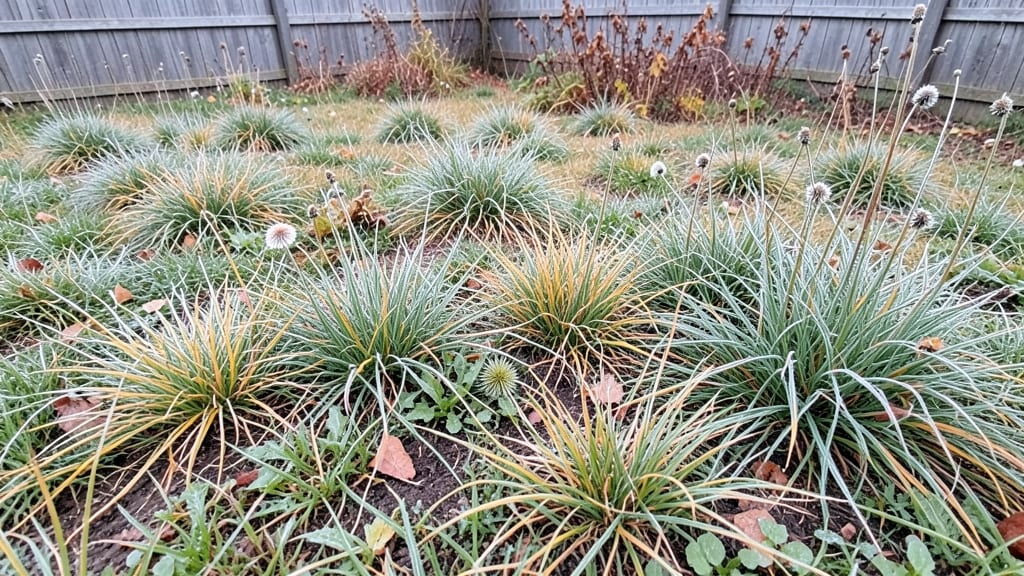
Grass during fall isn’t just about survival—it’s your chance to set up next year’s lawn for shockingly lush growth. 🌱 I’ve seen fall-prepped lawns stay green through winter and rebound faster in spring, while neglected ones turn brown and patchy by December.
The secret lies in timing: overseeding, fertilizing, and mowing adjustments all work together to strengthen roots before dormancy.
Start with cold-hardy varieties like tall fescue or Kentucky bluegrass—they handle frost better than warm-season grasses. You’ll need a broadcast spreader for seed, a fall fertilizer (look for 20-0-5 or similar), and a sharp mower blade.
The key is acting before the first hard freeze, usually between mid-September and early November depending on your zone. Skip this step, and you’ll fight weeds and bare spots all winter.
By late fall, you’ll notice thicker grass that resists weeds and recovers faster from foot traffic. The roots grow deeper, making the lawn more drought-resistant in summer. Even in colder climates, proper fall care means waking up to fewer brown patches and more vibrant green come spring.
The effort pays off in fewer repairs and a lawn that actually looks like it belongs in your neighborhood.
Works for both sunny backyards and shady patches—just adjust seed types and mowing height. Here’s how to make it happen without breaking the bank or your back.
📚 In This Guide
- What you need
- Instructions
- Tips and common mistakes
- Wrapping up and next steps
What you need
- ● Seed: 10–20 lbs of cold-hardy grass seed (e.g., Tall Fescue, Fine Fescue, or Kentucky Bluegrass). Choose varieties labeled for your climate zone (USDA Zones 3–8).
- ● Soil Test Kit: 1 kit to check pH (ideal: 6.0–7.0) and nutrient levels. Adjust with lime or sulfur if needed.
- ● Lawn Rake: 1 heavy-duty rake (with metal tines) for leveling soil and removing debris.
- ● Broadcast Spreader: 1 handheld or tow-behind model for even seed distribution.
- ● Watering System: Hose with adjustable nozzle or sprinkler (light, frequent watering is key!).
- ● Fertilizer: 1 bag of fall-specific lawn fertilizer (high in phosphorus, e.g., 5-10-10 ratio).
- ● Soil Conditioner: Compost or peat moss (1–2 cubic yards) to improve drainage and texture.
- ● Lawn Roller: 1 lightweight roller (50–100 lbs) to firm seed into soil after planting.
- ● Pre-Emergent Herbicide: 1 bottle to prevent weeds (apply before seeding).
- ● Thermometer: A soil thermometer to monitor moisture levels (ideal: 50–60°F for germination).
- ● Knee Pads: Because crawling in dirt is way more comfortable with these! 😉
How to prepare fall grass for winter resilience
Here’s how I ensure my lawn stays lush through winter—no guesswork, just science-backed steps.
🌱 Step 1: Choose the Right Cold-Hardy Varieties
Select cool-season grasses like tall fescue, Kentucky bluegrass, or fine fescue—they thrive in 30-50°F ranges and bounce back after frost. Avoid warm-season grasses (like Bermuda or Zoysia), which go dormant but often thin out permanently in cold climates. I test soil first with a pH test kit to confirm it’s between 6.0-7.0—grasses need this balance to absorb nutrients efficiently.
If your lawn has bare patches, overseed with perennial ryegrass in early fall. It germinates quickly in 55-65°F soil and fills gaps before winter sets in. Spread seeds at 5-8 lbs per 1,000 sq ft—thinner applications lead to patchy growth. Water lightly after sowing to keep seeds moist until germination.
☀️ Step 2: Mow and Fertilize for Fall Strength
Raise the mower blade to 3-4 inches in late fall—taller grass shades soil, insulating roots from freezing. Never remove more than ⅓ of the blade height at once, or you’ll stress the plant. I mow on dry mornings when dew has evaporated, reducing disease risk from wet clippings.
Apply a slow-release fall fertilizer (high in potassium and phosphorus) 6-8 weeks before the first frost. This boosts root growth and disease resistance. Follow package rates—overapplying can burn grass and harm local waterways. Water deeply after fertilizing to help nutrients penetrate the soil.
💧 Step 3: Water Deeply and Taper Off Before Frost
Water deeply and infrequently—aim for 1 inch per week until the ground freezes. Shallow watering encourages weak roots. I check moisture by digging 2 inches deep; if soil is dry, it’s time to water. Stop irrigating 2-3 weeks before the first hard frost to prevent winterkill from soggy roots.
If your area gets heavy snow, remove accumulation from walkways to prevent salt runoff damaging grass edges. Use a plastic snow rake to avoid compacting soil. In drought-prone zones, apply 2-3 inches of mulch (like straw) over bare soil to retain moisture.
✂️ Step 4: Clear Debris and Aerate for Spring Readiness
Rake up fallen leaves and thatch—thick layers suffocate grass and invite pests. I use a leaf blower for large areas to avoid tearing up roots. For compacted soil, rent a core aerator in late fall to pull 3-4 inch deep plugs, letting air and water reach roots. Fill holes with compost to feed microbes that break down organic matter.
If your lawn has moss, spot-treat with iron sulfate in early fall—it’s safer than herbicides and won’t harm grass. Avoid applying treatments after 45°F nights, as cooler temps slow breakdown and may harm plants. Test a small patch first to check for sensitivity.
⏰ Step 5: Monitor and Adjust for Your Climate
In northern climates, grass goes dormant by mid-November—stop all maintenance until spring. In milder zones, light mowing and watering may continue until December. I keep a lawn journal to track frost dates and adjust timelines yearly.
Watch for fungal diseases like snow mold (white, cottony patches). Brush off snow gently in spring to prevent smothering. If grass turns brown but feels firm, it’s dormant—don’t panic. Green returns once temps hit 50°F consistently. For extra protection, apply a winterizer fertilizer in late fall to fortify roots.
Tips & tricks for perfect fall grass preparation
Between us, the difference between a lawn that thrives through winter and one that struggles comes down to these science-backed details. Here's what nobody tells you about preparing grass for cold weather.
Soil Temperature Matters: The 55-65°F soil temperature range for overseeding isn't just a suggestion—it's when seeds germinate most efficiently. Use a soil thermometer to confirm temps before planting. I've seen perennial ryegrass fail to sprout when planted too early in cooler 50°F soil, even with perfect moisture. Wait for that sweet spot where the ground feels warm but not hot to your touch.
Fertilizer Timing Secret: That 6-8 week window before frost for applying slow-release fertilizer is critical because it gives roots time to absorb nutrients before dormancy. I've learned the hard way that applying too early (more than 8 weeks out) leads to weak growth spurts that freeze before maturing. Mark your calendar based on your local frost date—most weather apps provide this info.
Watering Intelligence: The 1 inch per week guideline is about depth, not frequency. I use a rain gauge to measure accumulation, and I've found that two deep waterings per week (early morning) work better than daily light sprinkles. The key is getting moisture 2 inches deep—shallow watering trains roots to stay near the surface where they'll freeze.
Climate-Specific Adjustments: If you're in a northern climate where grass goes dormant by mid-November, stop all maintenance immediately. But in milder zones where temps stay above 50°F consistently, you can extend light maintenance until December. I keep a simple lawn journal noting when I see the first frost—this helps me adjust timelines year after year without guessing.
Pro Tips for Grass During Fall
- Between us, the difference between a lawn that thrives through winter and one that struggles comes down to these science-backed details.
- Soil Temperature Matters: The 55-65°F soil temperature range for overseeding isn't just a suggestion—it's when seeds germinate most efficiently.
- Fertilizer Timing Secret: That 6-8 week window before frost for applying slow-release fertilizer is critical because it gives roots time to absorb nutrients before dormancy.
Frequently asked questions
Got questions about keeping your lawn lush and resilient during fall? Here are some of the most common concerns—and straightforward answers to help you plan ahead.
When is the best time to plant cool-season grass in fall?
The ideal window is 4–6 weeks before your first hard frost, typically late September to mid-October in most U.S. regions. This gives grass roots time to establish before winter dormancy. Check your USDA Plant Hardiness Zone for precise timing—cooler temps and frequent rain create perfect growing conditions!
Will my grass turn brown in fall? Is that normal?
Yes! Many cool-season grasses (like fescue or ryegrass) intentionally slow growth and take on a dormancy-like state in winter. Brown patches are usually harmless—just avoid heavy foot traffic. Resume mowing and fertilizing in early spring when temps rise above 50°F (10°C). For evergreen varieties (e.g., creeping red fescue), minimal browning is typical.
Can I overseed my lawn in fall without breaking the bank?
Start with high-quality seed (even a small bag covers ~500 sq ft) and rent a drop spreader ($30–$50/day) if needed. Skip expensive soil tests—focus on lightly raking existing grass, applying a starter fertilizer (like 10-10-10), and watering deeply 2x/day for 2 weeks. Pro tip: Use fallen leaves as free mulch after seeding!
What if my grass grows unevenly after fall planting?
Uneven growth often stems from uneven soil prep or inconsistent watering. Rake the area again to break up clumps, then adjust your mower height to 3–4 inches until roots stabilize. For bare spots, spot-treat with a grass seed slurry (mix seed with peat moss) and keep soil moist. Patience pays off—roots take 3–4 weeks to knit together!
Are there low-maintenance grass alternatives for fall?
If you’re tired of mowing, consider clover mixes (fixes nitrogen!) or fine fescue blends, which stay green longer and need half the water. For drought-prone areas, creeping red fescue or buffalo grass (warm-season but fall-hardy in Zones 5+) thrive with minimal care. Just reduce mowing to every 4–6 weeks in cooler months.
Wrapping up and next steps
Fall is the perfect time to refresh your lawn with cold-hardy grass varieties that thrive year after year!
By choosing the right type—like tall fescue or perennial ryegrass—and following proper planting and care tips, you’ll enjoy a lush, resilient lawn even in winter. Don’t wait until spring—start now to set your yard up for success!
Ready to take action? Pick your grass seed, prep your soil, and plant before the first frost. Your future lawn will thank you! 🌱✨