
Plants
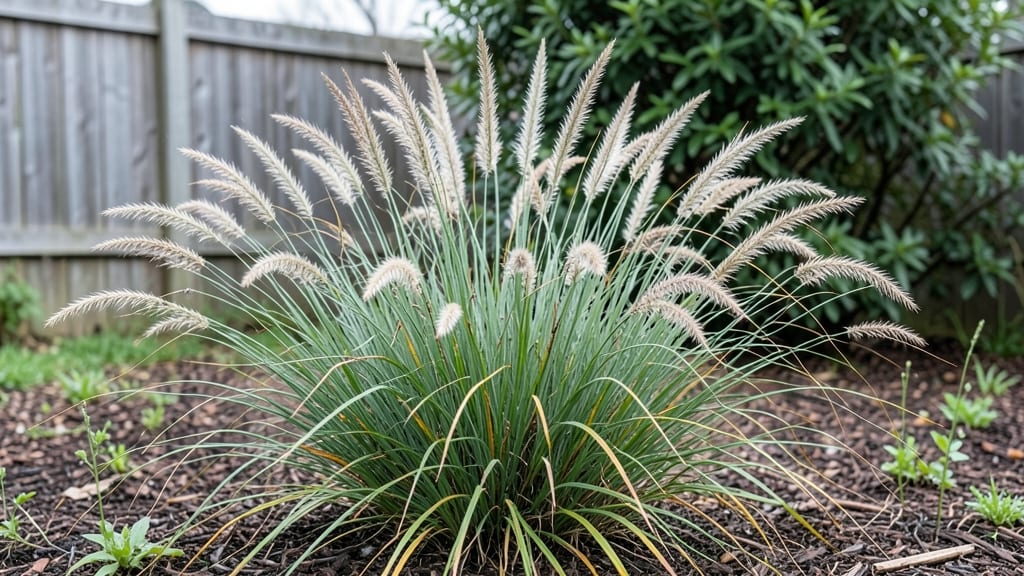
Protecting your fountain grass during winter is the key to waking up to lush, vibrant blades come spring—skip a step, and you might lose it for good.
Wondering whether to trim your fountain grass before winter or let it stand tall? One wrong move could leave your yard looking messy—or worse, kill your prized ornamental grass. Here’s what every gardener needs to know to protect their fountain grass through the cold months.
In USDA Zone 6a, where frost hits by mid-October, the choice isn’t just about looks—it’s about survival. Cutting too early weakens the plant, while leaving it too long risks rot or pests. The key? Timing, technique, and a little extra care when the temperatures drop.
Below, I’ll walk you through the exact steps to prepare your fountain grass for winter—whether you’re in a cold snap or a mild climate—so it bounces back stronger in spring.
When and how to cut back fountain grass before winter
Deciding when to cut back your fountain grass before winter can feel like a guessing game. In USDA zones 5-7, where frost arrives early, timing matters most—cut too soon, and you risk stunting regrowth.
In milder zones 8-10, the rules shift slightly. The key is watching for dormancy signals like browned foliage and crispy seed heads, which tell you it’s time to act.
I’ve learned the hard way that rushing the process can leave your grass vulnerable to winter dieback or even rot. The goal is to trim just enough to protect the crown while leaving enough foliage to shield the base from harsh winds and snow.
Let’s break down the exact steps to ensure your fountain grass wakes up lush and healthy in spring.
Step-by-Step Guide to Cutting Back Fountain Grass
-
Step 1: Wait for Frost
Trim after the first hard frost when foliage turns brown and crispy. In zones 5-7, this is typically late October to November. In zones 8-10, delay until December or early January when growth slows naturally. -
Step 2: Gather Tools
Use sharp bypass pruners or a heavy-duty hedge trimmer for clean cuts. Avoid dull tools—they crush stems and invite disease. Wear gloves to protect hands from sharp edges. -
Step 3: Cut to the Right Height
Reduce foliage by 1/3 to 1/2 of its height. Leave 3-6 inches of stem above the crown (the thick base). Never cut into the crown—this is where new growth emerges in spring. -
Step 4: Remove Debris
Clear away cuttings immediately to prevent fungal buildup or pests. Rake up leaves and twigs from the base, but avoid disturbing the soil around the crown. -
Step 5: Mulch for Protection
Apply a 2-3 inch layer of mulch (straw or shredded leaves) around the base. This insulates roots from freeze-thaw cycles and retains moisture. Avoid piling mulch against the crown. -
Step 6: Water Lightly
Give the base a light watering before the first deep freeze to hydrate roots. In drought-prone zones, this step is critical—underwatered grass struggles to recover in spring.
If you’re in a coastal or mild-winter zone (like zone 9-10), you might skip cutting entirely and let the grass stand for winter interest. But in colder climates, where snow and ice weigh down stems, trimming prevents breakage.
Pro tip: Mark your calendar for late February or early March to check for new growth—this is your cue to do a final cleanup if needed.
One mistake I’ve seen gardeners make is over-trimming in fall, which exposes the crown to cold. Always leave that 3-inch buffer—it’s your grass’s lifeline for spring. Another common error is using string trimmers for the job. They tear foliage instead of cutting cleanly, leaving ragged edges that invite pests.
For large fountain grass clumps (like Pennisetum alopecuroides), consider cutting in stages over a few days. This prevents stress from sudden height reduction. After trimming, step back and admire your work—your grass should look neat but not bare, with a tidy silhouette that still offers winter structure.
In USDA zone 5, where winters are harsh, I’ve found that adding a lightweight burlap wrap around the base after cutting adds an extra layer of protection.
Just remove it in early spring before new shoots appear. This small effort can mean the difference between a brownout and a vibrant regrowth in May.
Finally, resist the urge to fertilize after cutting. Fountain grass needs to dormantize properly, and fertilizer can stimulate late-season growth that won’t survive frost. Save the feeding for early spring, when temperatures rise above 50°F (10°C) consistently.
With these steps, your fountain grass will thrive through winter and burst back to life with lush, arching plumes by summer. The key is patience—rushing the process can backfire, but following this guide ensures your grass stays healthy and stunning year after year. 🌿✂️
Should you leave fountain grass standing over winter? Pros and cons
Deciding whether to leave your fountain grass standing through winter can be tricky. The dried plumes add winter interest and texture to your landscape, but they may also harbor pests or look untidy.
Many gardeners struggle with this balance—especially in USDA zones 5-8 where cold snaps are common. The key lies in understanding your climate, plant health, and aesthetic goals.
Leaving fountain grass uncut offers natural beauty and habitat for wildlife, while cutting back promotes neat appearance and reduces disease risks. Both approaches have merit, but the best choice depends on your specific garden conditions and personal preferences. Let’s weigh the options to help you make an informed decision.
Leaving Fountain Grass Standing Over Winter
- Winter interest: Adds texture and movement to winter landscapes.
- Wildlife habitat: Provides shelter for birds and insects.
- Natural mulch: Protects crown from frost heave.
- Pest risks: Can harbor rodents or insects over winter.
- Messy appearance: Dried foliage may look untidy in spring.
- Disease potential: Dead leaves may trap moisture and fungi.
Cutting Back Fountain Grass Over Winter
- Neat appearance: Keeps garden looking tidy year-round.
- Reduces pests: Eliminates hiding spots for insects and rodents.
- Easier cleanup: Removes old growth before new shoots emerge.
- Loses winter interest: Removes textural contrast in cold months.
- Timing risks: Cutting too early can damage new growth.
- Less natural mulch: Exposes crown to harsh winter winds.
If you love the rustic charm of dried grasses, leaving them standing is a great choice—just be sure to remove old foliage in early spring before new growth appears. For a cleaner look, cut back after the first hard frost but before severe cold snaps hit.
In mild climates (zones 9-10), you can often leave it until late winter.
For a middle-ground approach, consider mulching around the base with straw or leaves to protect the crown while keeping the plumes intact. This preserves the winter aesthetic while minimizing pest risks.
Always use sharp, clean shears if you do cut back, and avoid cutting into old wood to encourage healthy regrowth.
Remember, fountain grass is perennial and resilient—it’ll bounce back in spring regardless of your winter choice. The key is balancing aesthetics, health, and practicality to keep your garden thriving year-round. Experiment with what works best for your space!
🌿