
Watering
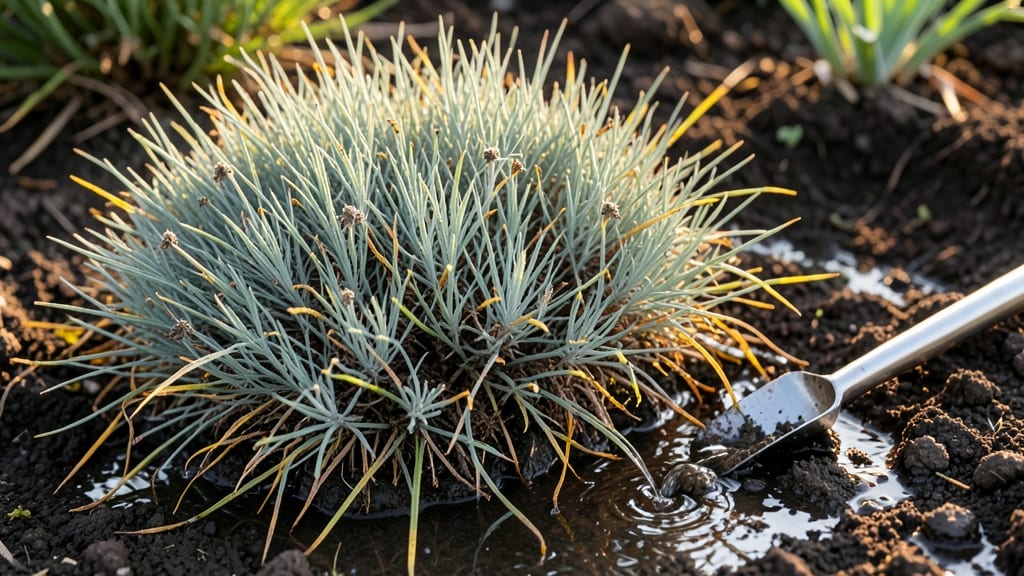
If your fescue overwatered grass is turning yellow, the fix is faster than you think—revive it in two weeks with smarter watering and drainage. ✨ The key is stopping the drowning and giving roots room to breathe.
Overwatered fescue shows up as spongy patches, fungus, and that musty smell after rain. Most people water daily, but fescue needs 1-1.5 inches per week, including rain. My first mistake? Ignoring the soil—it was waterlogged 6 inches down. A simple moisture test with your finger saves hours of guesswork.
You’ll see improvement within 3-5 days after cutting back water and aerating. The grass stops wilting, roots firm up, and yellow patches fade to a healthy green. Just don’t skip the aeration—it’s the game-changer for recovery.
Works for all fescue types, from creeping red to tall varieties. Whether you’ve got a backyard lawn or a small patch, these steps keep your grass lush without the overwatering stress. Let’s get that lawn back in shape!
Root Causes Of Overwatered Fescue
Fescue grass thrives in moderate conditions, but when it gets too much water, its roots suffocate, leading to yellowing, fungal growth, and even death. Understanding the why behind overwatering helps you fix the problem—and prevent it next time. Here are the most common culprits:
🌧️ Poor Drainage Systems
Fescue grass hates soggy soil. If your lawn has compacted clay, a shallow root zone, or no slope, water pools instead of draining. Over time, this creates anaerobic (oxygen-deprived) conditions where roots rot instead of growing.
- 🔍 Signs: Muddy patches, water pooling for hours, or grass that stays damp even days after rain.
- 💡 Fix: Test drainage with a percolation test (dig a 12" hole, fill with water—if it drains in <30 mins, it’s okay; if not, amend soil with sand or compost).
- ⚠️ Warning: Avoid heavy foot traffic on wet soil—it compacts the ground further.
📅 Irrigation Mistakes
Automatic sprinklers, hoses, or even manual watering can easily overdo it—especially if you’re on a schedule without checking soil moisture. Fescue needs 1–1.5 inches per week (including rain), but many homeowners double that without realizing it.
- 🔍 Common errors:
- Running sprinklers daily (even light watering stresses roots).
- Watering at wrong times (early morning is best; evening promotes fungus).
- Using too-short cycles (e.g., 5-minute bursts = surface wetting, not deep hydration).
- 💡 Fix: Upgrade to a smart irrigation controller or use the finger test—stick your finger 2" deep; if dry, water. If damp, wait.
🌱 Soil Composition Issues
Heavy clay or water-repellent soils (common in new developments) trap moisture like a sponge. Even with "normal" watering, fescue drowns because roots can’t breathe. Organic matter (like compost) is the antidote—it improves aeration and water retention balance.
- 🔍 How to test: Grab a handful of wet soil—if it forms a hard ball, it’s clay-heavy. If it crumbles easily, it’s sandy.
- 💡 Fix:
- Clay soil: Mix in 2–3 inches of compost and top-dress annually.
- Sandy soil: Add peat moss or coconut coir to retain moisture.
- ✨ Pro Tip: Aerate twice a year to prevent compaction.
🍄 Fungal Invaders Thriving
Overwatered fescue is a buffet for fungi like Rhizoctonia or Dollar Spot. These pathogens love wet, warm conditions and turn grass yellow, brown, or slimy. If your lawn has circular dead patches or a "dollar-sized" fungus, watering is likely the trigger.
- 🔍 Red flags:
- Grass feels spongy when walked on.
- White or pink fungal threads (hyphae) on blades.
- Mushrooms popping up after rain.
- 💡 Fix:
- Water early morning (6–10 AM) to let foliage dry by evening.
- Apply fungicide (copper-based or with propiconazole) if outbreaks occur.
- Mow higher (3–4") to shade soil and reduce fungal spores.
Most overwatering issues stem from one or more of these factors. The good news? Once you identify the root cause, reviving your fescue is just a matter of adjusting water, soil, and maintenance habits. Next up: How to drain excess water and nurse your lawn back to health.
Quick Fixes for Soggy Fescue Grass
Overwatered fescue grass can feel like a soggy mess, but don’t worry—you can nurse it back to health with the right steps. Below, we’ll match common causes to practical fixes, so you can revive your lawn without stress. Act fast, and your grass will bounce back stronger than ever!
🌱 Fix Yellowing from Too Much Water
If your fescue grass is turning yellow or mushy due to overwatering, the first step is to stop watering immediately. Let the soil dry out before taking further action.
🔥 Step 1: Improve Drainage Fast
- 👨🍳 Aerate the Soil – Rent a core aerator or use a garden fork to poke holes (4–6 inches deep) every 6 inches. This helps water drain and air reach the roots.
- 🥘 Add Organic Matter – Mix in 1–2 inches of compost or peat moss to improve soil structure. This prevents compaction and helps roots breathe.
- ⏰ Schedule Deep Watering – Once dry, water deeply 1–2 times per week (early morning) instead of daily shallow sessions.
💡 Prevention Tip:
> 🌡️ Test Soil Moisture – Stick your finger 2–3 inches into the soil. If it’s damp, wait before watering. A moisture meter (under $20) takes the guesswork out!
🍂 Revive Mushy, Spongy Grass Patches
If your fescue feels squishy underfoot, it’s likely suffering from root rot or fungal issues. Here’s how to rescue it:
🔪 Remove Affected Areas
- 🔪 Dig Out Dead Spots – Use a spade to cut out severely damaged grass (1–2 feet deep). Dispose of it in a trash bag—don’t compost it!
- 🌱 Reseed or Sod – Fill the holes with fresh fescue seed or sod. Press lightly to ensure good soil contact.
💪 Boost Recovery with Fungicide (If Needed)
- 🎯 Apply a Fungicide – Use a preventative fungicide (like propiconazole) if you see mold or slimy patches. Follow label instructions carefully.
- ✨ Avoid Watering After Treatment – Wait 24–48 hours before resuming irrigation to let the fungicide work.
💡 Prevention Tip:
> 🌡️ Improve Grading – If your yard has low spots where water pools, add topsoil and reslope slightly (1/4 inch per foot) to encourage runoff.
🚿 Adjust Your Watering Routine
Prevention is key! Overwatering is often a habit, not a one-time mistake. Break these bad habits now:
⏰ Water at the Right Times
- 🌅 Early Morning (4–8 AM) – Watering in the heat causes evaporation waste, while evening water can promote fungus.
- 💧 Deep & Infrequent – Aim for 1–1.5 inches per week (including rain). Use a rain gauge or tuna can to measure!
🔧 Upgrade Your Irrigation
- 🔧 Check Sprinkler Settings – Adjust sprinklers to avoid overspray on sidewalks or driveways (wasted water = soggy grass).
- 💡 Smart Controllers Help – Upgrade to a soil-moisture-based irrigation controller ($100–$300) to automate watering based on real conditions.
💡 Prevention Tip:
> 🌡️ Mow High in Summer – Keep fescue at 3–4 inches tall to shade roots and reduce evaporation. Never cut more than 1/3 of the blade at once!
🌿 Long-Term Soil Health Boost
Healthy soil = resilient grass. Invest a little time now to prevent future water woes:
🌱 Soil Test & Amend
- 📊 Get a Soil Test – Mail a sample to your local extension office (costs ~$15–$25). Check pH and nutrient levels—fescue thrives at pH 6.0–7.0.
- 💪 Add Lime or Sulfur – If pH is off, adjust with pelletized lime (to raise pH) or elemental sulfur (to lower pH).
🌱 Overseed Thin Spots
- 🌱 Best Time to Reseed – Early fall (September–October) is ideal for fescue. Spread seed at 5–6 lbs per 1,000 sq ft and keep soil moist for 2–3 weeks.
- 💡 Pro Tip: Mix seed with a starter fertilizer (high in phosphorus) to encourage root growth.
With these fixes, your fescue should green up in 2–4 weeks. Stay consistent with watering, soil care, and maintenance, and you’ll avoid soggy patches for good. Your lawn will thank you! 🌿💚
Frequently asked questions about reviving overwatered fescue
How quickly will my fescue recover after stopping overwatering?
You’ll typically see visible improvement within 3-5 days after adjusting watering habits. The grass stops wilting, and yellow patches begin fading to green as roots regain oxygen. Complete recovery may take 2-4 weeks, depending on how severe the damage was. The key is patience—roots need time to rebuild after being waterlogged.
Can I still use my sprinkler system if my fescue is overwatered?
Yes, but you’ll need to adjust it first. Start by reducing watering frequency to 1-2 times per week (early morning only) and aim for 1-1.5 inches total. Check sprinkler heads for misalignment—overspray on sidewalks wastes water and contributes to soggy grass. Consider upgrading to a smart controller that monitors soil moisture automatically.
What’s the best way to test if my fescue is truly overwatered?
Use the finger test: Stick your finger 2-3 inches deep into the soil. If it feels damp, your grass is getting too much water. Other signs include mushy patches, white fungal threads on blades, or grass that smells musty after rain. A moisture meter (under $20) gives precise readings without guesswork.
Will aerating help if my fescue is already showing yellow patches?
Aeration is one of the fastest ways to revive waterlogged fescue. Rent a core aerator or use a garden fork to create 4-6 inch deep holes every 6 inches. This breaks up compacted soil, allowing air and water to reach roots. Follow up by top-dressing with 1-2 inches of compost to improve soil structure. You’ll see better drainage within days.
Can I save my fescue if it’s already developed fungal growth?
Yes, but act quickly. First, stop watering entirely until the soil dries. Remove severely affected patches and dispose of them (don’t compost). Apply a copper-based fungicide or one with propiconazole, then avoid watering for 24-48 hours to let it work. For prevention, water only in the early morning and mow higher (3-4 inches) to shade soil.