
Fertilization
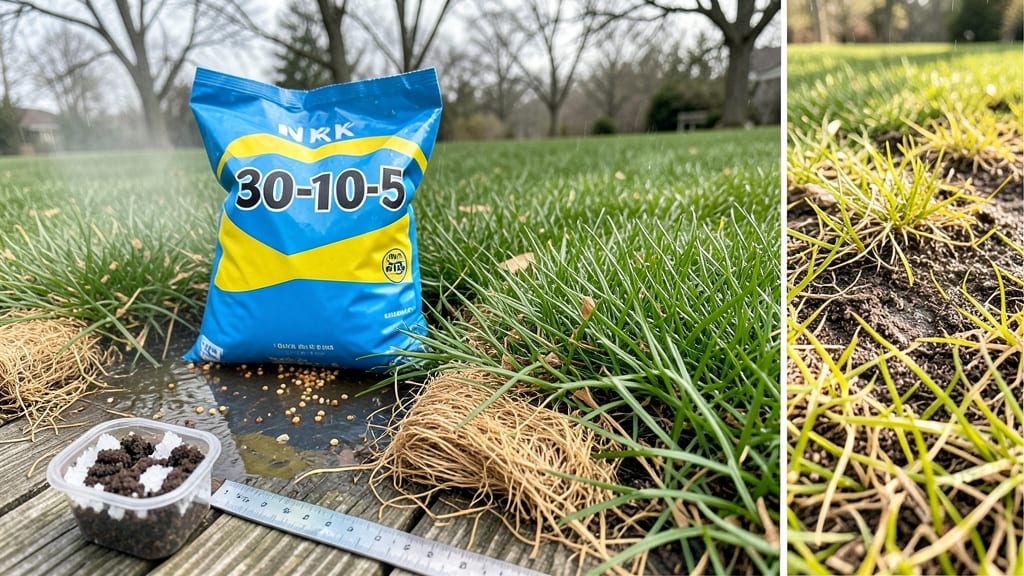
The environmental damage from over-fertilizing lawns creates widespread ecological harm by allowing excess nitrogen and phosphorus to seep into waterways, fueling toxic algal blooms, creating oxygen-starved dead zones, and poisoning groundwater that sustains aquatic life.
When you apply more fertilizer than your lawn needs, those extra chemicals don't just disappear—they run off into nearby streams and lakes. 🌊 This runoff creates a domino effect: nitrogen feeds algae, which then die and decompose, consuming oxygen and suffocating fish and other aquatic creatures.
What's worse, some of these pollutants don't break down easily, lingering in ecosystems for years and disrupting food chains. Even seemingly small amounts can have massive ripple effects when spread across entire watersheds.
Many homeowners don't realize how quickly this happens—just one heavy rain after over-fertilizing can send enough pollutants into local waterways to create measurable problems. The good news? Simple changes like soil testing before applying fertilizer or switching to organic alternatives can make a huge difference without sacrificing lawn health.
💡 In This Article
- How Excess Fertilizers Pollute Water and Soil
- Sustainable Lawn Care Alternatives to Reduce Fertilizer Harm
How excess fertilizers pollute water and soil
When you apply synthetic fertilizers like urea or ammonium nitrate, the nitrogen and phosphorus they contain don't all get absorbed by grass roots. In fact, studies show that 30-70% of applied nitrogen and 10-30% of phosphorus never reach the plants—it just sits in the soil waiting for the next rain.
These nutrients dissolve in water and move downward through soil layers, a process called leaching. The porous nature of sandy soils accelerates this, allowing pollutants to reach groundwater within days rather than weeks. 🌧️
Once in waterways, nitrogen acts like a high-speed fuel for algae. A single gram of nitrogen can stimulate 10-100 grams of algal growth, creating massive blooms that deplete oxygen when they decompose.
Phosphorus, though present in smaller amounts, is equally problematic—it's often the limiting nutrient that prevents algal overgrowth from being self-regulating. The result? Dead zones where fish suffocate and aquatic plants can't survive.
The Gulf of Mexico's 5,000-square-mile dead zone, for example, is directly linked to Midwest agricultural runoff, including residential lawn fertilizers carried by the Mississippi River.
The timing of fertilizer application makes all the difference. Applying before heavy rains or during spring thaw maximizes runoff—one study found that 80% of nitrogen loss occurred during just three rainfall events following fertilization.
Even irrigation systems contribute, as sprinklers can aerosolize fertilizer particles that then settle on impervious surfaces (like driveways) before washing into storm drains. This is why many states now regulate fertilizer use during rainy seasons or require buffer zones around water bodies. 💧
Phosphorus behaves differently because it binds tightly to soil particles. However, when soil becomes saturated (like after repeated applications), phosphorus breaks free and travels as fine sediment particles. These microscopic "particles" carry phosphorus attached to their surfaces, creating a suspended load that clouds waterways and smothers aquatic habitats.
The EPA estimates that 70% of freshwater pollution comes from agricultural and residential sources—making lawn care a surprisingly significant contributor to water quality issues.
Groundwater contamination is particularly insidious because it's invisible until it's too late. Nitrate (NO₃⁻), the most mobile form of nitrogen, can travel hundreds of feet downward, contaminating drinking water supplies.
The World Health Organization sets a maximum safe level of 10 mg/L nitrate in drinking water—levels that exceed this by 2-3 times have been found in suburban wells near heavily fertilized lawns.
Infants are especially vulnerable to "blue baby syndrome," where high nitrate levels prevent oxygen absorption in their bloodstream. 🚨
What most people don't realize is how these pollutants create a cascading effect through entire ecosystems. Algal blooms block sunlight, killing underwater grasses that provide habitat for fish and shellfish. The decomposition process consumes dissolved oxygen, creating "hypoxic zones" where only a few specialized species can survive.
Even the soil itself suffers—excess phosphorus can disrupt microbial communities, reducing soil fertility over time. The chemical imbalance also makes lawns more susceptible to pests and diseases, creating a vicious cycle where more fertilizer is needed to compensate.