
Lawn
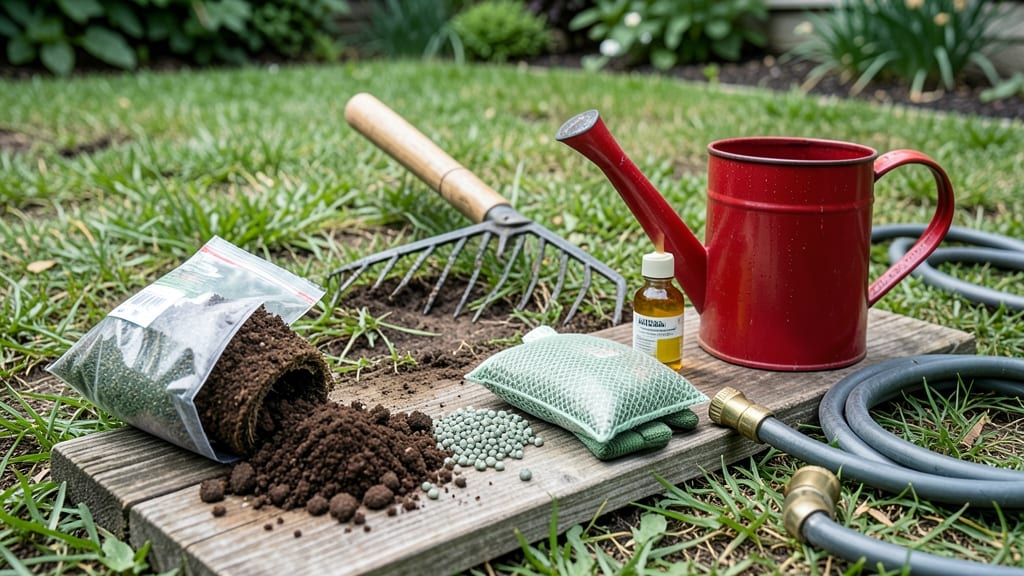
My dog turned our dog-damaged lawn into a patchwork of brown spots and bare soil—until I learned these pet-friendly tricks that revive grass in weeks, not months. 🌱 The key isn't fighting your dog (good luck with that) but working with nature to heal the damage.
I'll show you how to pick resilient grass types, dilute urine on the spot, and fix compacted soil without breaking the bank.
Dog urine burns aren't just about the yellow patches—it's the salt buildup that kills roots. My first mistake was overwatering to "flush it out," which just made things worse. Instead, we're using diluted vinegar sprays and clover mixes that thrive where grass struggles.
Even my stubborn Kentucky bluegrass came back stronger after switching to a pet-safe fertilizer with no harsh chemicals.
You'll see new green shoots within 10-14 days if you act fast, and the lawn will handle paw prints like a pro. The secret? Deep watering (not light sprinkles) and regular aeration to break up compacted soil.
My neighbor's lawn—also dog-damaged—looks better now than before we got pets, and hers is 50% clover, which stays green even when mine fades in summer.
This works for any yard size, from small city patches to half-acre fields. The only rule? Consistency—skipping a step means starting over. Here's how to make it happen without giving up your furry lawn companion (or your sanity).
The Hidden Reasons Your Grass Suffers
If your once-lush lawn now resembles a patchwork of brown, bald spots and trampled turf, your furry friend is likely the culprit—but not always for the reasons you might think.
Dogs don’t just "damage" lawns by walking on them; their behavior, biology, and even their diet play a surprising role in turning green grass into a barren battlefield. Let’s dig into the science behind why your dog’s antics are wrecking your yard—and how each factor contributes to the chaos.
Dogs love to run, dig, and play, but their constant movement compresses the soil beneath their paws. This isn’t just about flattened grass—it’s a physical disruption of the soil structure. Here’s how it works:
- Reduced Oxygen Flow: Compacted soil squeezes out air pockets, suffocating the roots of your grass. Without oxygen, roots can’t absorb water or nutrients efficiently, leading to yellowing or dead patches. Think of it like trying to breathe through a straw—your lawn is gasping for air.
- Water Runoff: Compacted soil repels water instead of absorbing it. Instead of soaking in, rain or irrigation water pools on the surface, creating muddy messes and eroding the soil over time. Pro tip: Test your soil’s compaction by pressing your thumb into it—if it springs back slowly, your lawn is crying out for help! 🌱
- Root Strangulation: Grass roots need space to spread. When soil is compacted, roots grow shallow or suffocate, making your lawn vulnerable to drought, disease, and weeds. Over time, this turns your yard into a high-traffic parking lot for dandelions.
Actionable fix: Aerate your lawn in the fall or spring to relieve compaction. A core aerator pulls small soil plugs, allowing air, water, and nutrients to reach the roots. For heavy-dog-use areas, consider laying down synthetic turf or gravel to protect the soil.
Dogs pee. A lot. And while it might seem harmless, canine urine is a chemical cocktail of nitrogen, phosphorous, and uric acid—a potent mix that can turn your lawn into a science experiment gone wrong. Here’s the breakdown:
- Nitrogen Overload: Urine is high in nitrogen, which grass needs in small doses. But concentrated doses (like a dog’s frequent pee spots) create a fertilizer burn, causing brown, crispy patches. It’s like dumping a bag of lawn food in one spot—your grass gets a sunburn from too much love. ☀️🔥
- pH Imbalance: The uric acid in dog urine lowers soil pH, making it too acidic for grass to thrive. Most lawns prefer a pH of 6.0–7.5; dog urine can push it below 5.0, creating a hostile environment for roots. Fun fact: This is why some spots recover slowly even after your dog stops peeing there!
- Salt Build-Up: If you use road salt in winter, your dog tracks it onto the lawn. Combined with urine, this creates a double whammy of salt burn, dehydrating grass and killing it outright. It’s like sprinkling salt on a steak—your lawn wilts under the assault. 🧂😬
Actionable fix:
- Dilute urine damage by training your dog to pee in one designated area (like a gravel patch or mulched bed) and rinse it with water afterward.
- Test your soil’s pH with a DIY kit and amend it with lime (to raise pH) or sulfur (to lower it) as needed.
- Apply a slow-release, organic fertilizer in early spring to counteract nitrogen spikes from urine.
Dogs dig for buried toys, bones, or just because they’re bored—and every pawful of dirt they unearth severs grass roots. This isn’t just cosmetic; it’s a physical severing of the plant’s lifeline. Here’s the damage:
- Root Exposure: Digging uproots grass, leaving bare soil where roots can’t regenerate. Without roots, the blades of grass have no anchor or nutrient supply, so they wither and die. It’s like cutting off a plant’s stem—no matter how green the leaves, they’ll eventually collapse. 🌿➡️💀
- Soil Erosion: Loose soil from digging washes away in rain, leaving depressions that collect water and create muddy, soggy spots. These areas become breeding grounds for fungal diseases like brown patch or dollar spot.
- Weed Invasion: Disturbed soil gives weeds a foothold. Seeds lying dormant in the soil get exposed to sunlight and moisture, sprouting up where grass once grew. Suddenly, your dog’s digging turns your lawn into a weed buffet. 🌱🚫
Actionable fix:
- Create a digging zone in your yard by burying a shallow sandbox or filling a kiddie pool with a few inches of sand. Dogs instinctively dig in loose soil—redirect their energy here!
- Plant deep-rooted ground covers like clover or creeping thyme in high-traffic areas. These plants tolerate digging better than grass and suppress weeds.
- After your dog digs, gently rake the area and reseed with a dog-safe grass mix (like tall fescue or buffalo grass) to encourage regrowth.
What your dog eats directly affects what comes out—and yes, that includes their urine. A dog’s diet influences the concentration and pH of their urine, which in turn affects your lawn. Here’s the connection:
- High-Protein Diets: Dogs on raw or high-protein kibble produce more concentrated urine, increasing the risk of fertilizer burn. The more protein they eat, the more nitrogen ends up in their pee—and your lawn.
- Dehydration: Dry food or insufficient water intake make urine more acidic and potent. Think of it like coffee: the stronger the brew, the bigger the stain (and damage). 🧃💦
- Additives and Supplements: Some dog foods contain artificial colors or fillers that alter urine pH. For example, beet pulp (a common filler) can make urine more alkaline, while certain supplements may increase acidity.
Actionable fix:
- Switch to a high-quality, balanced diet with 20–25% protein (not the 40%+ found in some "premium" brands). Wet food or adding water to kibble can also dilute urine concentration.
- Encourage hydration by adding a pet fountain or low-sided water bowl to your yard. Hydrated dogs = less concentrated (and less damaging) urine.
- If you notice excessive thirst or urination, consult your vet—it could signal a health issue like diabetes or kidney problems.
Your dog isn’t out to destroy your lawn—but their natural behaviors, combined with a few avoidable factors, can turn your yard into a war zone. The good news? With a few targeted
Revive Your Lawn Naturally
A dog-damaged lawn doesn’t have to stay that way! Whether your furry friend has turned your grass into a patchwork of brown or left behind muddy paw prints, there are pet-safe, effective solutions to restore your yard.
The key is identifying the root cause—whether it’s overuse, digging, or poor soil—and applying the right fix. Below, we’ve mapped out practical, step-by-step solutions tailored to common issues, plus prevention tips to keep your lawn lush and your pup happy.
Cause: Frequent walking or playing compresses the soil, cutting off airflow and water to grass roots.
How to Revive It:
- 🍳 Aerate the Soil Rent a core aerator (or use a garden fork) to punch holes 2–3 inches deep, about 3–6 inches apart. This lets air, water, and nutrients reach the roots. Pro Tip: Do this in spring or fall when grass is actively growing.
- 🌱 Overseed Bare Spots After aerating, spread pet-friendly grass seed (like tall fescue or Kentucky bluegrass) over the damaged areas. Lightly rake the seed into the soil and water gently to keep it moist.
- 💧 Water Deeply (But Not Too Much) Water 2–3 times per week for 15–20 minutes per session. Avoid puddles—soggy soil suffocates roots.
Prevent Future Damage:
- Train your dog to use a designated play area (like a gravel patch or artificial turf).
- Use dog booties for walks if your pup’s paws are extra muddy.
Cause: Clay soil or heavy rain turns your lawn into a mud pit, leaving unsightly stains.
How to Revive It:
- 🧹 Rinse with Water Hose down the area to remove mud before it dries and stains. Use a soft brush to scrub stubborn spots.
- 🔪 Top-Dress with Sand or Compost Mix equal parts sand and compost (or use a pre-mixed lawn topsoil) and spread a thin layer over muddy patches. This improves drainage and adds nutrients.
- 🌿 Replant Grass Seed Press new seed into the top-dressed area and water lightly. Avoid heavy foot traffic until the grass sprouts (about 2–3 weeks).
Prevent Future Mud:
- Rake leaves and debris regularly to avoid water pooling.
- Install a small drainage system (like a French drain) if your yard floods easily.
Cause: Dogs love to dig—especially if they’re bored, anxious, or burying toys/treasures.
How to Revive It:
- 🔪 Fill Holes with Gravel or Sand Use coarse sand or gravel to fill deep holes (this drains better than dirt). Pack it down firmly.
- 🌱 Plant Low-Maintenance Ground Cover Instead of grass, try clover, creeping thyme, or moss—they’re tougher and discourage digging.
- 🎯 Redirect the Behavior Bury a digging box (fill a shallow tray with sand) or use pet-safe deterrents like citrus peels (dogs dislike the smell).
Prevent Future Digging:
- Exercise your dog for 30+ minutes daily to reduce boredom.
- Rotate toys to keep them interested in play over digging.
Cause: Dog urine is high in nitrogen, which can burn grass if concentrated in one spot.
How to Revive It:
- 💧 Dilute the Urine If you catch your dog mid-pee, spray the area with water immediately to dilute the nitrogen.
- 🌿 Overseed and Fertilize Spread pet-safe fertilizer (low in nitrogen) and reseed burnt patches. Avoid high-nitrogen lawn foods—they’ll worsen the problem.
- 🌱 Choose Urine-Resistant Grass Switch to buffalo grass, zoysia, or fescue—they tolerate urine better than Kentucky bluegrass.
Prevent Future Burns:
- Train your dog to pee in one spot (like a gravel path) and rinse it daily.
- Water the lawn frequently to dilute urine before it harms grass.
- Mow high (3–4 inches) to shade roots and retain moisture.
- Test your soil every 2 years—dogs deplete nutrients fast!
- Use organic mulch (like pine straw) to protect soil and deter mud.
With these pet-friendly fixes, your lawn can bounce back—without sacrificing playtime with your dog. 🐾🌱
Frequently asked questions
How long does it take to see results after repairing a dog-damaged lawn?
With proper care, you’ll see new green shoots within 10-14 days when overseeding or using ground covers. For soil compaction issues, aeration and top-dressing show improvement in 3-4 weeks as roots establish. Urine burn recovery depends on grass type—resistant varieties like fescue may show results in 2 weeks, while delicate bluegrass could take 6-8 weeks for full regrowth.
Can I use regular lawn fertilizer after my dog damages the grass?
No—regular fertilizers are too harsh and will worsen urine burn. Use pet-safe, slow-release organic fertilizers with balanced NPK ratios (like 10-10-10) instead. These provide nutrients without the nitrogen overload that damages grass. Always water thoroughly after applying to dilute any residual chemicals.
What’s the best grass type for high-traffic dog areas?
For dog-heavy lawns, choose tall fescue (tough and drought-resistant) or buffalo grass (naturally urine-tolerant). Zoysia is another great option—it stays green longer in tough conditions. Avoid Kentucky bluegrass, which is delicate and prone to urine damage. Mixing 10-20% clover into your seed blend adds nitrogen-fixing benefits while improving resilience.
Will my dog’s digging ever stop damaging my lawn?
Digging is natural behavior, but you can minimize damage by creating designated digging zones (like sandboxes) and redirecting their energy. For stubborn diggers, try citrus peels or vinegar-soaked rags—dogs dislike these scents. Combine this with regular exercise (30+ minutes daily) and mental stimulation to reduce boredom-related digging. Even with these steps, some soil disruption is inevitable, but ground covers like creeping thyme can help.