
Mower
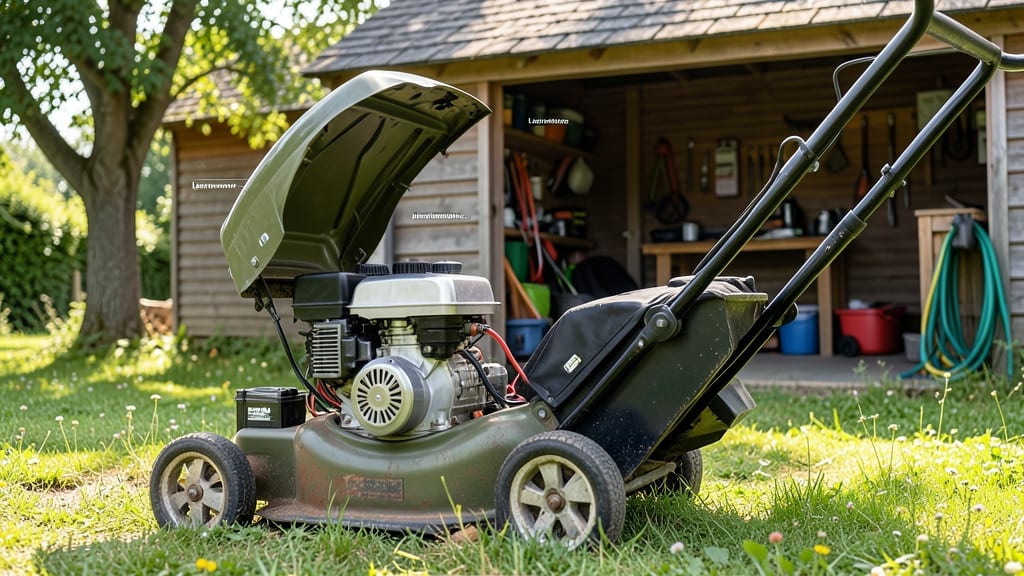
Yes, lawn mowers have alternators that recharge the battery while running, powering electric starters and maintaining consistent engine performance. Modern models rely on them instead of older ignition systems.
Most people assume lawn mowers only need batteries, but the alternator is just as critical—it converts the engine's mechanical energy into electrical power to keep your battery charged during operation. 🔧 This system eliminates the need for manual battery checks and extends the mower's lifespan by preventing deep discharges.
Without it, you'd constantly battle weak starts or dead batteries, especially after long cutting sessions.
What's interesting is how these alternators differ from car versions—they're designed for shorter runtime and higher current demands during startup. Many modern mowers even use them to power LED lights and other accessories, making them a true workhorse component.
If you notice dimming headlights or a battery that drains overnight, your alternator might be failing and need replacement.
💡 In This Article
- How Lawn Mower Alternators Charge and Power Systems
- Signs Your Lawn Mower Alternator Needs Replacement
How lawn mower alternators charge and power systems
Lawn mower alternators function like miniature power plants, converting the engine's mechanical energy into electrical energy through a process called electromagnetic induction.
When the engine runs, a pulley-driven belt spins the alternator's rotor inside a magnetic field, generating an alternating current that's then converted to direct current (DC) to charge the battery.
Most residential mowers produce between 12-14 volts at idle and up to 15-16 volts under load, which is higher than automotive alternators to compensate for the higher current demands during electric starts.
The alternator's voltage regulator is particularly important—it maintains consistent output by adjusting current flow based on battery charge levels. This prevents overcharging (which damages batteries) while ensuring sufficient power for electric starters and accessories.
Modern mowers have replaced older ignition systems with alternator-powered electric starts because they're more reliable, require less maintenance, and provide instant engine response. 🔥 The alternator also powers LED lights and electronic controls, making it the heart of the mower's electrical system.
What's fascinating is how these systems adapt to different mower types. Walk-behind models typically use smaller alternators (50-100 amps) suited for short runtime, while commercial-grade mowers may have 200-amp alternators capable of handling continuous operation.
The alternator's size correlates directly with the mower's engine power—larger engines need more robust alternators to keep up with electrical demands during prolonged use.
Failure modes often reveal themselves through subtle electrical symptoms. A failing alternator might produce inconsistent voltage (fluctuating between 10-14 volts), causing dimming headlights or erratic electrical behavior.
The most common failure points are worn brushes (in brush-type alternators) or failing diodes in the rectifier assembly, both of which prevent proper current conversion. Unlike car alternators that run continuously, lawn mower alternators experience more stress from frequent starts and stops, making them more prone to wear over time.
Here's what makes lawn mower alternators unique compared to automotive versions:
- Higher current output: Designed to handle the 100-300 amp surges needed for electric starts
- Shorter runtime: Built for 30-60 minute operation cycles rather than continuous use
- Simpler design: Often lack voltage regulators found in car alternators, relying on the mower's electrical system for regulation
- Direct drive: Connected via pulley rather than serpentine belt systems
The alternator's role extends beyond battery charging—it powers the mower's electronic ignition systems, fuel injection (in newer models), and even GPS-enabled tracking systems in commercial mowers.
This makes it a critical component that directly impacts both performance and reliability. 💡 When properly functioning, you'll notice immediate benefits like consistent starts, brighter headlights, and extended battery life between charges.