
Mower
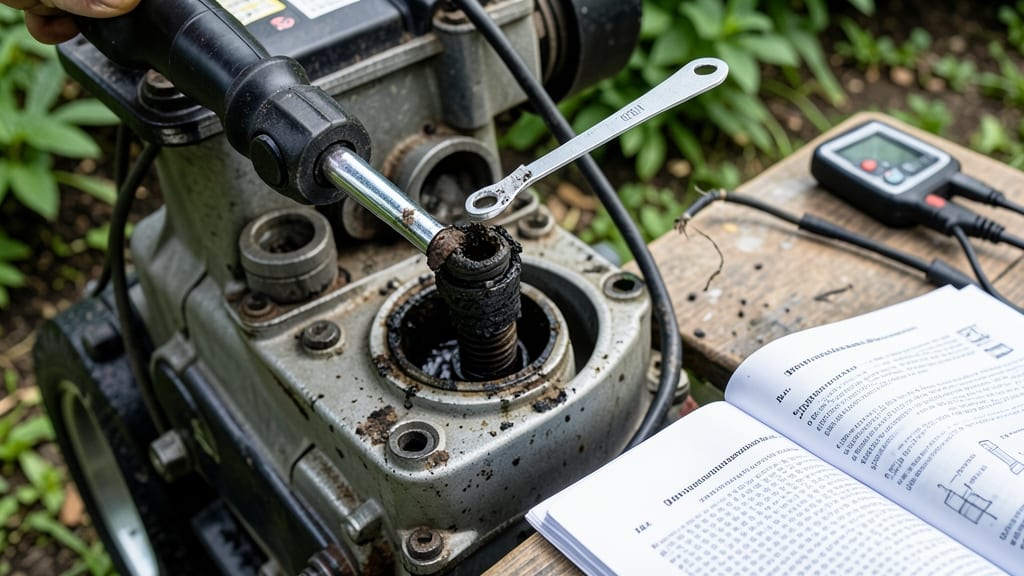
To tell if a lawn mower spark plug is bad, look for white or oily deposits, excessive electrode wear, cracks in the insulator, or corrosion/rust. These signs point to engine problems like misfires or poor performance.
Your lawn mower's spark plug is the heart of its ignition system, and when it fails, you'll notice it in how the engine runs—or doesn't. 🔥 The most common red flags include oily deposits, which suggest overfueling or oil leaks, while cracked insulators often point to overheating.
Even minor corrosion can disrupt the electrical flow, causing that frustrating misfire during startup. I always recommend inspecting the electrode gap too—if it's off by even 0.01 inches, that's enough to throw off the ignition timing and reduce power.
The key is catching these issues early before they force a full engine overhaul.
Start by turning off the mower and letting the engine cool completely. Use a spark plug socket (the right size for your model) to remove the plug carefully—never force it. Once out, examine the tip under good light: a healthy plug should have light brown deposits with minimal wear.
If you see anything different, that's your cue to either clean it (if the damage is minor) or replace it entirely. For most small engines, a new plug costs under $10 and can save you hours of frustration down the road.
💡 In This Article
- Common Spark Plug Damage Types and Their Causes
- Step-by-Step Spark Plug Inspection Checklist
Common spark plug damage types and their causes
When you inspect a spark plug, the deposits you see tell a story about what's happening inside your lawn mower's engine. A white or ash-like deposit typically means the engine is running too lean—either from a clogged air filter or a carburetor issue that's burning fuel too efficiently.
This condition forces the engine to run hotter than normal, which can lead to pre-ignition (knocking) and even damage the piston.
On the other hand, black, sooty deposits indicate a rich fuel mixture, often caused by a clogged fuel filter, a faulty carburetor needle, or even an overly rich choke setting. These deposits prevent proper combustion and can foul the plug's electrodes over time.
The electrode gap is another critical area to check—it should match the manufacturer's specifications (usually 0.030 inches for most small engines). If the gap is too large, the spark may not jump strong enough to ignite the fuel-air mixture, leading to misfires.
Conversely, a gap that's too small can cause the spark to arc erratically, wasting fuel and reducing power.
Over time, the electrodes wear down naturally, but if you notice uneven erosion or melting, that's a sign of overheating—often due to incorrect spark plug heat range or a faulty ignition coil. 🔥
Cracks in the insulator or a broken ceramic tip are serious warning signs that the plug has been exposed to extreme heat or mechanical stress.
These issues usually stem from overheating caused by incorrect spark plug selection (using a "hot" plug in a cool-running engine) or an engine that's running too lean.
A cracked insulator can also allow moisture to seep in, leading to corrosion—that rusty or pitted appearance you might see on older plugs. Corrosion disrupts the electrical flow, making it harder for the spark to jump, which directly impacts your mower's ability to start and run smoothly.
Oil fouling, where you see a glazed or oily film on the plug, is often a symptom of oil leaks or excessive oil in the combustion chamber. This can happen if the piston rings are worn, allowing oil to seep past and burn with the fuel.
Another common cause is using the wrong oil viscosity—thicker oils can build up on the plug tip, preventing the spark from firing properly. If you notice this, it's best to replace the plug and check your oil level and type to prevent further damage. 💫
Finally, oil deposits that appear as a thick, black sludge usually indicate oil burning—a condition where oil is entering the combustion chamber and burning with the fuel. This can be caused by a faulty valve seal, worn piston rings, or even an overly rich fuel mixture.
If left unchecked, oil fouling can lead to complete engine failure, so it's important to address it promptly. Always pair your spark plug inspection with a check of the oil level and condition—if the oil looks milky or has fuel in it, that's another red flag worth investigating.
Understanding these damage types helps you diagnose broader engine issues before they escalate. For example, if you consistently see oil fouling, it might be time to inspect the piston rings or valve seals.
Meanwhile, white deposits could point you toward carburetor tuning or air filter replacement. 🚀 By connecting the visual clues to their root causes, you can save time and money on repairs—and keep your lawn mower running like new.