
Pruning
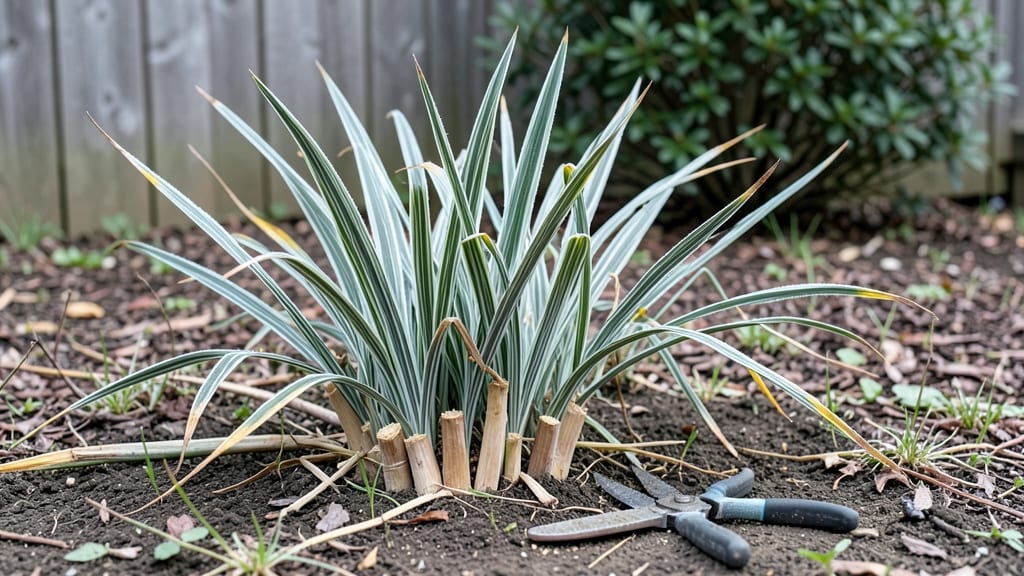
"Cutting back zebra grass in late winter unlocks its most dramatic comeback. ✨ I’ve watched this grass go from a tangle of brown stalks to a fountain of arching green in just six weeks—it’s like magic, but with shears.
The key isn’t just when you cut, but how you do it to spark that regrowth.
You’ll need sharp pruners or a string trimmer, gloves, and a clear day. Wait until the grass is dormant but before new shoots appear—usually February or March in most climates.
Cut back to about 6-8 inches from the base, removing all dead foliage but leaving the crown intact. This shock treatment forces fresh growth from the center.
The payoff? By midsummer, your grass will be denser, taller, and more vibrant than ever, with those signature striped blades standing out against any garden backdrop. The roots stay healthy, and you avoid the floppy, leggy look that ruins ornamental grasses.
Just don’t skip the cleanup—those old stalks hold diseases if left to rot.
Works for all Miscanthus varieties, from ‘Zebrinus’ to ‘Gracillimus.’ Pro tip: Mark your calendar for next year’s cut—consistency is everything. Ready to transform that winter mess into summer’s showstopper?
📚 In This Guide
- What you need
- Instructions
- Tips and common mistakes
- Wrapping up and next steps
What you need
- ● String trimmer (weed whacker) – Opt for a gas-powered or electric model with a 0.18" (4.5mm) nylon or poly string for precision cutting. A 20"-36" cutting width is ideal for most yards.
- ● Heavy-duty gardening shears or pruners – Choose bypass pruners for clean cuts (avoid anvil pruners, which crush stems). A 6"-8" blade length works best for thicker zebra grass clumps.
- ● Garden gloves – Select cut-resistant, waterproof gloves (e.g., mechanized or reinforced leather) to protect your hands from sharp blades and thorns.
- ● Safety goggles – ANSI-rated goggles with side shields to shield against debris from trimming.
- ● Knee pads or gardening stool – Essential for comfort during extended pruning sessions, especially if your zebra grass is tall or dense.
- ● Wheelbarrow or large trash bags – For disposing of clippings. A 3-cubic-foot wheelbarrow or heavy-duty contractor bags (30+ gallons) will handle bulk debris.
- ● Water hose with spray nozzle – A shower or adjustable nozzle helps rinse off blades and cool down the grass post-trimming.
- ● Long-sleeve shirt and pants – Protects against sun exposure and stray cuts.
- ● Ear protection (if using gas trimmer) – Noise-canceling earplugs or muffs for prolonged use.
- ● Mulching blade attachment (for trimmer) – Chops clippings into smaller pieces for easier decomposition or composting.
- ● Pruning saw (for stubborn roots) – A folding pruning saw with a 7"-8" blade for thick, woody zebra grass bases.
- ● Garden cart with a blade sharpener – Keeps your tools in top shape for cleaner cuts.
Step-by-Step instructions for cutting back zebra grass
Here's the straightforward method I use to keep zebra grass lush and prevent it from getting woody.
✂️ Step 1: Time Your First Cut for Spring Awakening
Wait until late spring when new growth appears—you'll see fresh green shoots pushing through the old stems. This usually happens after 4-6 weeks of consistent warmth, around 55-60°F soil temperatures. Cutting too early removes new growth before it establishes.
Use sharp pruners or shears to trim back one-third of the plant's height. This encourages bushier regrowth rather than tall, spindly stems. I like to make clean cuts just above a leaf node where new shoots can emerge. Avoid leaving stubby remnants—they invite disease.
✂️ Step 2: Perform Mid-Season Maintenance for Density
About 6-8 weeks after your first cut, when the plant has filled out again, do a second light trim. This time, remove only the topmost 2-3 inches of growth. You're shaping the plant now, not drastically reducing its size. Look for where the stems start to look bare—this is your visual cue to stop cutting.
I always work on a dry day when the grass isn't wet. Wet foliage can get torn or develop fungal issues from the cut edges. After trimming, give the plant a light watering to help it recover from the stress of cutting.
✂️ Step 3: Late Season Cleanup for Winter Prep
In early fall, when growth slows but before frost, do a final light trim. Remove only the top 1-2 inches of growth to keep the plant tidy but leave enough foliage to protect the crown over winter. You'll see the growth slow dramatically—this is nature's signal it's time to stop cutting.
After your final cut, apply a 2-inch layer of mulch around the base (not touching the stems) to insulate the roots. This protects the plant from freezing temperatures and helps maintain even moisture. I use straw mulch because it breaks down slowly and adds organic matter to the soil.
🌱 Step 4: Spring Renewal After Dormancy
In early spring, before new growth appears, do a final cleanup cut. Remove any dead or brown stems by cutting them back to the base. You'll notice the plant looking somewhat bare—this is normal and necessary for fresh growth. Avoid cutting into green tissue, as this can harm the plant.
After your spring cleanup, fertilize lightly with a balanced 10-10-10 formula to encourage new growth. Water deeply to help the plant recover from winter dormancy. You'll see fresh green shoots within 2-3 weeks if conditions are right.
Tips & tricks for perfect zebra grass maintenance
Keeping zebra grass looking its best requires a few strategic tricks that go beyond just cutting back. These insights will help you avoid common pitfalls and keep your plants thriving year-round.
The Heat Factor: Pay close attention to soil temperatures when planning your first cut in late spring. The 55-60°F soil temperature range is ideal because it signals consistent warmth that encourages new growth. I've learned the hard way that cutting too early—when soil is still cool—can shock the plant and stunt its regrowth. Use a soil thermometer if you're unsure, especially in cooler climates.
Cutting Technique: When you're trimming back that one-third of the plant's height in Step 1, focus on making clean cuts just above leaf nodes. This is where new shoots emerge, so you're essentially guiding where the plant will grow next. I like to use sharp pruners and make diagonal cuts to prevent tearing—this keeps the plant healthier and reduces stress. Avoid leaving stubby remnants, as they can trap moisture and invite fungal diseases.
Seasonal Timing Secret: The 6-8 week interval between your first and second cuts is crucial for maintaining density. This timing allows the plant to fully recover and establish new growth before you shape it again. In Step 2, when you're removing just the top 2-3 inches, look for where the stems start to look bare—that's your visual cue to stop cutting. This prevents over-pruning, which can leave your zebra grass looking sparse and weak.
Winter Prep Strategy: That early fall cleanup isn't just about tidying up—it's essential preparation for winter survival. When you're removing just 1-2 inches of growth, you're creating a protective layer that shields the crown from freezing temperatures. The 2-inch layer of straw mulch you apply afterward is your plant's winter blanket. I've found that straw works best because it breaks down slowly, adding organic matter to the soil while protecting roots from temperature fluctuations.
Pro Tips for Cutting Back Zebra Grass
- Keeping zebra grass looking its best requires a few strategic tricks that go beyond just cutting back.
- The Heat Factor: Pay close attention to soil temperatures when planning your first cut in late spring.
- Cutting Technique: When you're trimming back that one-third of the plant's height in Step 1, focus on making clean cuts just above leaf nodes.
Frequently asked questions
Got questions about cutting back zebra grass? You’re not alone!
Here are some of the most common concerns—plus expert tips to tackle them like a pro.
When is the best time to cut back zebra grass?
The ideal time is late winter or early spring (just before new growth starts) or after flowering in late summer. Avoid cutting in extreme heat or cold—zebra grass is hardy but thrives best with a little patience. For aggressive regrowth, a second trim in early fall can help control height without stressing the plant.
What if I cut it too short? Will it die?
Zebra grass is tougher than you think—it won’t die from a short trim, but it may look ragged for a few weeks. Aim to leave 2–3 inches of stubble to protect the roots. If you accidentally scalp it, water deeply and fertilize lightly to encourage recovery. Over time, it’ll bounce back with striped vigor!
Can I cut zebra grass in winter? What about frost?
Light trims in mild winters (above 20°F/-7°C) are fine, but avoid heavy cuts when frost is forecast. Zebra grass goes dormant in cold snaps—never cut frozen foliage (it dulls blades and stresses the plant). Wait until spring for a full reset. A thin layer of mulch can protect roots if your winters are harsh.
Are there alternatives to mowing? How else can I control its height?
Yes! Try these low-effort methods:
- String trimming: Use a weed whacker for hard-to-reach edges (wear gloves—zebra grass is sharp!).
- Shears or hedge clippers: Great for small patches or shaping. Work in sections for cleaner lines.
- Natural barriers: Plant taller perennials nearby to shade and slow its spread.
- Selective removal: Dig up unwanted clumps in early spring (wear gloves!).
Why does my zebra grass keep growing back unevenly?
Uneven regrowth often means uneven sunlight, water, or soil nutrients. Check for:
- Shady spots (zebra grass loves full sun—6+ hours/day).
- Compacted soil (aerate annually with a fork or core aerator).
- Over/under-watering (keep soil consistently moist but not soggy).
- Nutrient imbalance (feed with balanced fertilizer in spring).
Wrapping up and next steps
Cutting back zebra grass isn’t just about tidying up—it’s your secret weapon for year-round lush regrowth! 🌿 With the right tools, timing, and techniques, you’ll keep your grass vibrant while saving time and effort. Whether you’re pruning for aesthetics, health, or seasonal prep, consistency is key.
Ready to transform your lawn? Start small—grab your shears, follow the steps, and watch your zebra grass thrive. Next up: Track your progress and adjust your routine based on what works best for your climate and grass type. Happy gardening! 🌱