
Lawn
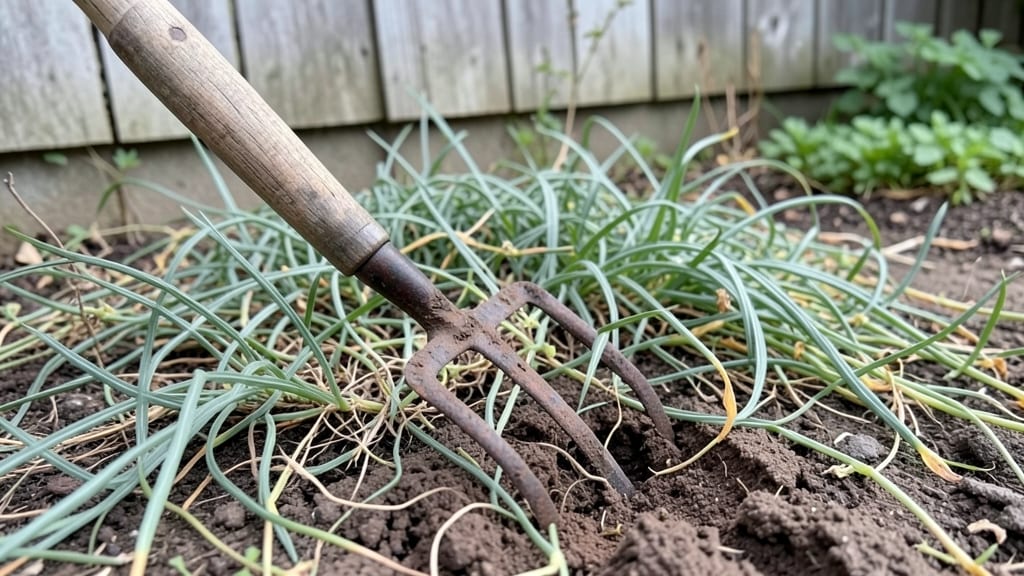
A fast-acting couch grass killer doesn’t just hide the problem—it eradicates those relentless, creeping roots for good. I’ve wrestled with this stubborn weed for years, and the difference between a temporary solution and permanent removal comes down to the right approach.
Whether you’re dealing with a garden bed or a lawn edge, the key is targeting the roots where they matter most.
The real battle isn’t just the tops you see—it’s the underground network of rhizomes that can regrow from a single fragment. I’ve tried vinegar sprays, digging, and even smothering, but only one method consistently wins: a two-step process combining precise herbicide application and manual follow-up.
The results? No more sneaky regrowth, and your lawn or garden stays weed-free for seasons.
By the end, you’ll have a spot where grass belongs—where you planted it. The transformation is immediate: no more pulling endless strands, no more patchy lawns, just clean lines and healthy soil. Here’s exactly how to make it happen without damaging what you want to keep.
Works for both organic and chemical methods, so you can choose what fits your garden’s needs. Let’s get started—this weed won’t stand a chance.
Root Causes of Stubborn Weed Spread
Couch grass—also known as Elymus repens or quackgrass—can turn a lush lawn into a battleground if left unchecked. Understanding why it thrives and spreads aggressively is the first step to eradicating it for good. Below, we break down the science behind its persistence and how environmental factors fuel its growth.
🌱 Aggressive Rhizome System
Couch grass isn’t your average weed—it’s a master of survival thanks to its underground rhizomes. Unlike shallow-rooted plants, these horizontal stems can grow up to 6 feet deep and spread 3–4 feet laterally in a single season. Here’s why this makes it nearly unstoppable:
- Rapid regrowth: Even a tiny rhizome fragment left in the soil can sprout into a new plant. If you cut or dig it out improperly, you’re essentially planting more weeds.
- Nutrient storage: Rhizomes act like underground food banks, storing starches and sugars to fuel growth even in poor soil conditions. This means drought or nutrient deficiencies won’t slow it down as much as other plants.
- Deep penetration: Because they grow so deep, they access water and nutrients that shallow-rooted grass can’t reach, giving couch grass a competitive edge in your lawn.
Actionable tip: To disrupt this system, you must fully excavate rhizomes—even the smallest pieces. A soil solarizer or deep tilling can help expose and kill hidden rhizomes before they regrow. 🔥
🌤️ Favorable Growing Conditions
Couch grass isn’t picky—it thrives in conditions that would stress out most lawn grasses. Its adaptability is why it invades lawns, gardens, and even cracks in pavement. Key triggers include:
| Factor | Why It Helps Couch Grass | How to Counter It |
|---|---|---|
| 💧 Excess moisture | Loves wet soil, which softens the ground and makes rhizomes easier to spread. It also outcompetes drought-sensitive grasses. | Improve drainage with sand or compost; avoid overwatering. |
| ☀️ Partial shade | Tolerates shade better than many lawn grasses, filling in gaps where turf struggles. | Thin overgrown trees or plant shade-tolerant grasses like fine fescue. |
| 🌡️ Cool seasons | Grows best in spring and fall (50–75°F), while many lawn grasses go dormant in heat. | Apply pre-emergent herbicides in early spring before it sprouts. |
| 🌿 Poor soil competition | Weak or thin lawns give it open space to colonize. It also secretes allelopathic chemicals that inhibit nearby plants. | Overseed bare patches with dense, healthy turfgrass to starve it out. |
🔄 Human Activity Accelerates Spread
Sometimes, we’re the reason couch grass takes over. Unintentional actions like mowing, digging, or even walking can spread rhizomes far beyond their original location. Common culprits:
- Lawn mowing: A mower’s blades can cut rhizomes into fragments, which then roll away and root elsewhere in the lawn.
- Gardening tools: Shovels, rakes, and even gloves can pick up rhizome pieces and deposit them in flower beds or vegetable gardens.
- Soil movement: Tillering or aerating without proper cleanup can bury live rhizomes deeper, where they’ll eventually sprout.
- Composting: Adding couch grass clippings or pulled weeds to compost piles can reintroduce it to other areas.
Pro tip: Always clean tools and shoes after working in infested areas. Disinfect equipment with a 10% bleach solution or rubbing alcohol to kill hidden rhizomes. ✨
Now that you know why couch grass is so hard to kill, the next step is targeting its weak points with the right herbicide strategy and lawn care routines. Stay tuned!
How to solve it
Couch grass—also known as digitaria or crabgrass—can turn your pristine lawn into an unsightly battleground if left unchecked. But with the right strategies, you can reclaim your yard without breaking a sweat.
Below, we’ve mapped out targeted solutions for the most common causes of couch grass invasion, along with preventive tips to keep it from creeping back. Let’s tackle this head-on!
###
🌱 Overrun by Seeds: Smothering the Source
Couch grass spreads rapidly through seeds, which germinate in warm, bare soil. If your lawn is thin or patchy, seeds find the perfect entry point.
- 🔥 Pre-emergent herbicide: Apply a pre-emergent in early spring (before seeds sprout) to create a barrier. Look for products with pendimethalin or dithiopyr as active ingredients. Follow label instructions for timing and coverage.
- 🍳 Hand-pulling (for small areas):
- Wait until soil is damp (after rain or watering) to loosen roots.
- Grasp the weed at the base and pull upward with a sharp tug. Use a weeding tool or gloves for stubborn clumps.
- Inspect the root—if any fragments remain, they’ll regrow. Discard weeds in the trash (not compost).
- 🌡️ Solarization (for severe infestations): Cover the area with clear plastic sheeting for 4–6 weeks in peak summer sun. The heat kills seeds and roots beneath. Best for small, contained patches.
💡 Pro Tip: After treating, overseed with dense, competitive grass (like tall fescue or perennial ryegrass) to block sunlight and prevent regrowth.
###
🌡️ Heat and Drought Stress: Starving the Weed
Couch grass thrives in dry, compacted soil where your lawn grass struggles. By stressing the weed itself, you can weaken its dominance.
- 💧 Deep watering: Water deeply 2–3 times per week (early morning) to encourage lawn grass roots to outcompete couch grass. Aim for 1–1.5 inches per week, including rainfall.
- 🌿 Core aeration: Rent a core aerator to punch holes in the soil (spring or fall). This loosens compacted soil, allowing water and nutrients to reach your lawn grass while suffocating couch grass roots.
- 🔪 Spot-treatment with post-emergent herbicide:
- Choose a selective herbicide like quinclorac or mesotrione (e.g., Tenacity or Image).
- Apply on a dry, wind-free day when weeds are actively growing (not dormant).
- Reapply every 2–3 weeks for stubborn patches.
💡 Pro Tip: Mow your lawn higher (3–4 inches) during drought to shade out couch grass and retain moisture.
###
🏡 Poor Lawn Maintenance: Rebuilding Your Defense
Neglected lawns—with irregular mowing, lack of fertilization, or heavy foot traffic—invite couch grass to take over. Fix these habits to restore balance.
- ⏰ Consistent mowing:
- Mow regularly (1–2 times per week) and never cut more than ⅓ of the grass blade at once.
- Use a sharp mower blade to avoid tearing grass, which stresses it further.
- 🌱 Fertilize properly:
- Apply a slow-release, nitrogen-rich fertilizer in early spring and fall to strengthen lawn grass.
- Avoid over-fertilizing—this can encourage couch grass growth.
- 👨🍳 Soil testing and amendments:
- Test your soil’s pH and nutrient levels (kits are available at garden centers). Aim for a pH of 6.0–7.0 for most grasses.
- Amend with compost or organic matter to improve soil structure and drainage.
💡 Pro Tip: Dethatch your lawn in early fall if the thatch layer (dead grass buildup) is over ½ inch thick. This helps water and nutrients reach the roots.
###
🛡️ Prevention Plan: Keep It From Returning
The best way to handle couch grass is to stop it before it starts. Here’s how to fortify your lawn:
| Season | Task | Why It Works |
|---|---|---|
| Early Spring | Apply pre-emergent herbicide + overseed bare spots. | Blocks new seeds while giving your lawn grass a head start. |
| Summer | Mow high, water deeply, and monitor for new sprouts. | Stress-tolerant grass crowds out weeds; you’ll spot invasions early. |
| Fall | Aerate, fertilize, and dethatch if needed. | Repairs soil and grass health for winter resilience. |
| Year-Round | Inspect and pull weeds immediately when spotted. | Prevents seed production and spread. |
✨ Ultimate Tip: Consider natural alternatives like corn gluten meal (a pre-emergent) or vinegar-based sprays (for spot treatments) if you prefer organic methods. However, these may require more frequent applications.
Frequently asked questions about eliminating stubborn weeds
What’s the fastest way to kill couch grass without harming my lawn?
Use a selective herbicide like quinclorac (Tenacity) or mesotrione (Image) for spot treatments. Apply on a dry, wind-free day when weeds are actively growing. For organic options, try vinegar-based sprays (20% acetic acid) or boiling water for small patches—but these require repeat applications. Always follow label instructions to protect your lawn.
Why does couch grass keep coming back even after I pull it?
Couch grass spreads via underground rhizomes—even tiny fragments left in the soil can regrow. To stop regrowth, dig out all visible roots (including hidden ones) and discard them in the trash (never compost). For severe cases, apply a post-emergent herbicide to kill remaining roots in the soil.
Can I use household vinegar to kill couch grass?
Yes, but it’s less effective than commercial herbicides. Mix 1 gallon of vinegar (20% acetic acid) with 1 ounce of dish soap and spray directly on the weeds (avoid desirable plants). Repeat every 2–3 days for 2 weeks to see full results. Works best on small, isolated patches in sunny areas.
How long does it take to completely eradicate couch grass?
With consistent treatment, expect to see 70% reduction in 4–6 weeks. Full eradication can take 6–12 months for severe infestations, especially if rhizomes are deep. Combine herbicides with manual removal and overseeding dense grass to crowd out regrowth. Patience is key—spot-check areas monthly for new sprouts.
Will solarization work for couch grass in my climate?
Solarization (covering soil with plastic) works best in hot, dry climates (80°F+ for 4–6 weeks). For cooler regions, pair it with herbicides or repeat treatments. Clear plastic traps heat to kill seeds and roots, but it’s labor-intensive. Test a small area first to ensure it won’t harm nearby plants.