
Lawn
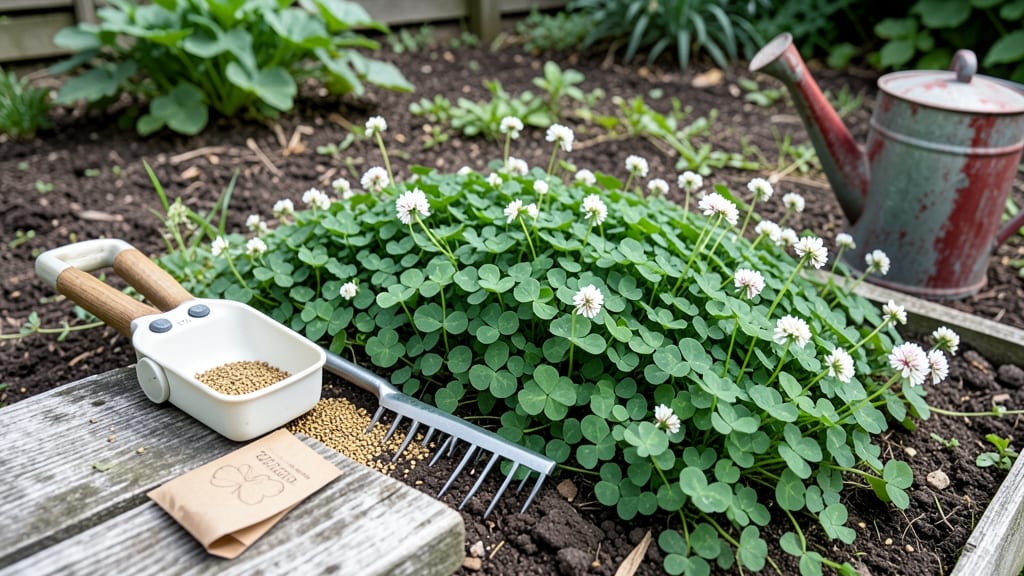
A fast-growing clover lawn starts with the right clover lawn seed nearby—locally adapted varieties that thrive in your climate and establish within 2-3 weeks. 🌱 I’ve seen clover outperform traditional grass in drought years, staying green while neighbors’ lawns turn brown.
The secret isn’t just the seed; it’s matching it to your soil and sunlight conditions. Clover lawns need full sun to partial shade and well-draining soil—no heavy clay or waterlogged spots. Skip the fancy soil tests: a simple scratch test (dig 6 inches deep) tells you if drainage is good.
For best results, till or aerate first to loosen compacted soil, then rake smooth. The key to fast germination? Keep the soil consistently moist (not soggy) for the first 10-14 days—no sprinklers, just a gentle watering can.
By week 4, you’ll see thick, vibrant growth that crowds out weeds naturally. Clover fixes nitrogen in the soil, reducing fertilizer needs, and its deep roots resist drought better than most grasses. The trade-off? It’s softer underfoot than Kentucky bluegrass, but the sustainability wins over.
Local nurseries often carry region-specific mixes—call ahead to confirm availability. For urban areas, check seed catalogs specializing in native clovers. Once established, mow high (3–4 inches) to encourage dense growth and shade out weeds. Fewer chores, more resilience—that’s the clover advantage.
📚 In This Guide
- What you need
- Instructions
- Tips and common mistakes
- Wrapping up and next steps
What you need
- ● Clover lawn seed – 10-20 lbs per 1,000 sq. ft. (Choose a mixed clover blend like Dutch white or microclover for best results. Look for organic, non-GMO seeds for a healthier lawn.)
- ● Broadcast spreader – A handheld or tow-behind model (rent or buy for even distribution).
- ● Lawn rake or dethatcher – A metal-tined rake to loosen soil and remove debris.
- ● Garden hose with adjustable nozzle – For light but consistent watering (a gentle mist setting works best).
- ○ Soil test kit (optional but recommended) – To check pH levels (6.0-7.0 ideal) and adjust with lime or sulfur if needed.
- ○ Compost or organic fertilizer – Optional but helpful: A low-nitrogen, phosphorus-rich blend (like 5-10-10) to boost root growth.
- ● Seed starter fertilizer – A quick-release formula (like 10-20-20) to jumpstart germination.
- ● Straw or peat moss – Lightly mulch seeds (¼ inch) to retain moisture and block sunlight.
- ● Lawn roller (10-20 lb) – Gently press seeds into soil for better soil contact (skip if soil is loose).
- ● Weed barrier fabric – Only if overseeding: Prevents weeds from competing with clover.
- ● Knee pads or gloves – Because comfort matters during prep work!
Step-by-step guide to planting clover lawn seed for fast germination
Here's how to establish a resilient, low-maintenance clover lawn that thrives in your local climate.
🌱 Step 1: Prepare the Soil for Optimal Germination
Test your soil's pH first—clover prefers a range of 6.0-7.0. If your soil is too acidic, spread 1 pound of lime per 100 square feet and till it in 2-3 weeks before planting. This ensures your clover establishes strong roots quickly.
Remove all existing grass and weeds by mowing short, then applying a non-selective herbicide if needed. Let the area dry completely before proceeding. Rake away debris and loosen the top 2-3 inches of soil with a garden fork or tiller. The goal is a fine, crumbly texture that lets seeds make direct contact with moisture.
💧 Step 2: Spread Seed at the Right Depth and Moisture Level
Use a broadcast spreader for even coverage, applying 1-2 pounds of seed per 100 square feet—thinner coverage encourages faster germination by reducing competition. Lightly rake the area to press seeds into the soil without burying them deeper than ¼ inch.
Water immediately with a fine mist until the soil is damp but not soggy throughout the top inch. Keep the surface consistently moist (not wet) for the first 7-10 days5-7 days if conditions are ideal.
☀️ Step 3: Maintain Consistent Moisture and Light
Once germination begins, reduce watering to 1 inch per week, delivered through light, frequent waterings rather than deep soakings. Clover needs full sun (6+ hours daily) to establish properly—if your lawn gets less, choose a shade-tolerant variety like white clover.
Watch for signs of stress: yellowing leaves mean either too much water or not enough. Thin seedlings to 1 inch apart after they reach 2 inches tall, using scissors to avoid disturbing roots. This prevents overcrowding and ensures each plant gets adequate nutrients.
✂️ Step 4: Fertilize and Mow for Long-Term Health
After 4-6 weeks, when clover reaches 3-4 inches tall, apply a low-nitrogen fertilizer (5-10-10 ratio) at half-strength. Clover fixes its own nitrogen, so avoid over-fertilizing. Mow when the lawn reaches 3-4 inches, leaving clippings to decompose and return nutrients to the soil.
Real talk: The first mowing will look uneven, but this is normal. Adjust your mower height to 2.5 inches for a dense, drought-resistant lawn. You'll notice the clover thicken and fill in gaps within 8-12 weeks—that's your signal the lawn is establishing properly.
Tips & tricks for fast-germinating clover lawns
Between us, these small adjustments can transform your clover lawn from a gamble to a guaranteed success—especially when you're working with local hardiness zones.
Soil Testing Shortcut: Skip the lab if you're in doubt—pick up a simple soil pH test kit from your local garden center for under $10. The 6.0-7.0 range is non-negotiable for clover, and adjusting lime now saves you from patchy germination later. I've seen clover fail completely on soil testing at 5.5—don't make that mistake. For faster results, test your soil in spring when it's naturally moist.
Seed Depth Precision: That ¼ inch depth isn't just arbitrary—it's the sweet spot where seeds get enough light to photosynthesize but stay protected from birds and drying winds. Use a ruler to measure your rake teeth if you're unsure. Pro tip: Lightly press seeds with your hand after raking to ensure consistent contact with the soil surface.
Watering Hack: The 7-10 day moist-but-not-soggy window is where most failures happen. Set a timer for morning watering—clover needs consistent moisture, not occasional drenching. I use a simple spray nozzle to mimic natural rain, and I check soil moisture by grabbing a handful: it should crumble when dry but hold shape when squeezed. Too much water = mold; too little = failed germination.
Local Hardiness Boost: If you're planting in cooler climates, choose microclover varieties—they germinate faster in temperatures below 60°F. For southern regions, white clover handles heat better than red. Always check your local extension service's recommendations before buying seed, as regional varieties can differ dramatically in germination rates.
Pro Tips for Clover Lawn Seed Nearby
- Between us, these small adjustments can transform your clover lawn from a gamble to a guaranteed success—especially when you're working with local hardiness zones.
- Soil Testing Shortcut: Skip the lab if you're in doubt—pick up a simple soil pH test kit from your local garden center for under $10.
- Seed Depth Precision: That ¼ inch depth isn't just arbitrary—it's the sweet spot where seeds get enough light to photosynthesize but stay protected from birds and drying winds.
Frequently asked questions
Got questions about planting clover lawn seed nearby? You’re not alone! Here are some of the most common queries—plus quick, actionable answers to help you get started with confidence.
What’s the best time of year to plant clover seed locally?
For fast germination and hardy growth, aim for early spring or late summer (after the last frost but before extreme heat). Clover thrives in cooler temps—planting in these windows gives it time to establish roots before summer stress. Check your local frost dates for precision!
Is clover lawn seed cheaper than traditional grass seed?
Yes! Clover seed is often 30–50% more affordable than Kentucky bluegrass or fescue blends. Plus, it requires less water and fertilizer, cutting long-term costs. Just note: mixed clover-grass seed may cost slightly more but offers a lush, hybrid look.
Will clover attract bees or pests to my yard?
Clover is bee-friendly (great for pollinators!), but it won’t flood your yard with bees if planted correctly. Use a low-growing variety like Dutch white clover to minimize pest issues. Avoid overwatering—soggy soil can attract fungus gnats or grubs, but healthy clover resists most pests naturally.
How long does clover seed take to germinate nearby?
Expect 7–21 days for germination, depending on soil temp and moisture. Keep the seedbed consistently moist (not soggy) and in partial shade until sprouts appear. Cool, damp weather speeds it up—perfect for spring or fall planting!
Can I overseed clover into an existing grass lawn?
Lightly rake or scarify the lawn to expose soil, then spread clover seed thinly. Water gently to avoid washing it away. For best results, mow the grass short first (1–1.5 inches) and consider a starter fertilizer to boost growth. Mixing clover with grass also works—just adjust mowing height!
What’s the easiest way to troubleshoot slow clover growth?
Check these first:
- Soil pH: Clover prefers 6.0–7.5. Test your soil—lime may help if it’s too acidic.
- Sunlight: Too much shade? Thin clover struggles; add a sun-loving companion like creeping thyme.
- Competition: Weeds or thick grass? Spot-treat with vinegar (for weeds) or overseed again.
Wrapping up and next steps
Transforming your lawn with clover seed is a smart, eco-friendly choice—especially when you prioritize local hardiness and fast germination. Whether you’re drawn to its drought resistance, natural beauty, or low-maintenance appeal, the right seed mix tailored to your region ensures a lush, vibrant result with minimal effort.
Now that you’re armed with the best tips and answers to common questions, take action today!
🌱 Your Next Steps:
- 🔍 Locate nearby suppliers—check local nurseries or trusted online retailers for region-specific clover seed.
- 📅 Pick the perfect timing—spring or early fall is ideal for planting.
- 🌿 Start small—test a patch to see how your lawn responds before full commitment!
Your dream lawn is just a seed away—get growing! 🌟