
Watering
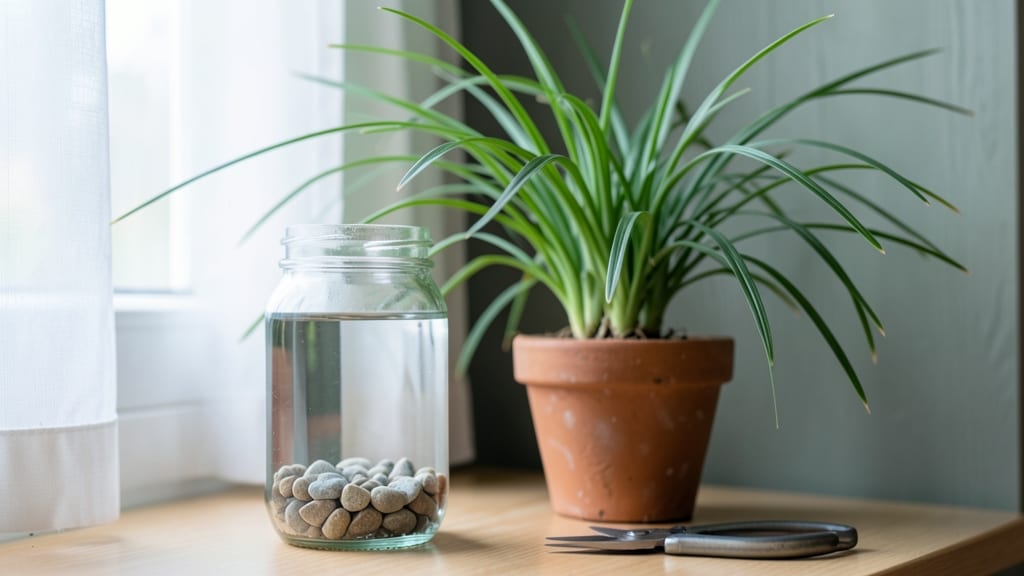
Lemon grass can grow in water using hydroponics, thriving in shallow containers with fresh water changed every 2-3 days while receiving bright, indirect sunlight for 6-8 hours daily. Roots should develop within 2-4 weeks, and new shoots will emerge from the base.
This method taps into lemon grass's natural adaptability—it thrives in water because its fibrous roots absorb nutrients directly, much like how it would in soil but without the need for dirt. 🌱 The key is maintaining clean water to prevent bacterial growth, which can stunt root development.
I've found that keeping the water at room temperature helps speed up the process, as cooler water slows nutrient uptake. Once roots appear, you'll notice new growth within weeks, proving this is a low-maintenance way to propagate lemon grass even if you lack gardening space.
For best results, use a clear container so you can monitor root progress, and consider adding a small pebble layer at the bottom to improve oxygen circulation. This hydroponic approach is especially useful if you're growing lemon grass indoors near a sunny window or under grow lights.
💡 In This Article
- Hydroponic Lemon Grass Root Development Process
- Best Hydroponic Setup for Lemon Grass Growth
Hydroponic lemon grass root development process
When lemon grass grows in water, it undergoes a fascinating biological adaptation where its fibrous roots transform into specialized structures designed for direct nutrient absorption from the aqueous environment.
Unlike soil-grown plants that rely on mycorrhizal fungi for nutrient exchange, hydroponic lemon grass develops aerenchyma tissue—air channels within its roots—that allow oxygen to reach submerged cells. This adaptation prevents root rot while optimizing water uptake, a process that begins within 3-5 days of submerging the base.
The root development follows three distinct stages: initial swelling (1 week), fibrous root branching (2-3 weeks), and mature root network formation (4-6 weeks).
During this time, roots grow at a rate of about 1-2 inches per week in ideal conditions, with the most active growth occurring in the first 4 weeks.
Water temperature plays a critical role—optimal growth happens between 70-78°F, as cooler water (60°F) slows metabolic processes while warmer water (> 85°F) accelerates bacterial growth that competes with the plant.
One key difference from soil cultivation is the absence of soil microbes that typically aid in nutrient breakdown. In hydroponics, lemon grass must rely solely on dissolved minerals in the water, which is why regular water changes (every 2-3 days) are essential to prevent nutrient depletion.
The plant's natural ability to absorb silica from water also strengthens its cell walls, making hydroponic-grown lemon grass slightly more resilient than its soil-grown counterparts when exposed to environmental stressors.
What's particularly interesting is how lemon grass's shoot growth responds to root development. Once roots establish a network, the plant redirects energy upward, producing 2-4 new shoots from the base within 4-6 weeks.
This is in contrast to soil-grown plants, which may take 8-12 weeks to produce comparable shoot growth due to the additional energy required for soil penetration and microbial interactions. The hydroponic method essentially creates a more efficient growth cycle by eliminating these soil-related energy expenditures.
For sensory observation, you'll notice the roots develop a pale, almost translucent appearance with visible vascular bundles, while the base where roots emerge turns slightly darker—a sign of active cell division.
The aroma of hydroponic lemon grass is often more intense due to concentrated essential oil production in the absence of soil competition. This makes it particularly rewarding for culinary use once fully matured.
Understanding these biological mechanisms helps explain why lemon grass thrives so well in water—it's not just a matter of survival but an optimized growth strategy that leverages its natural adaptations.
The process demonstrates how plants can evolve growth patterns based on their environment, proving that with the right conditions, even non-aquatic species can flourish in hydroponic systems.