
Plants
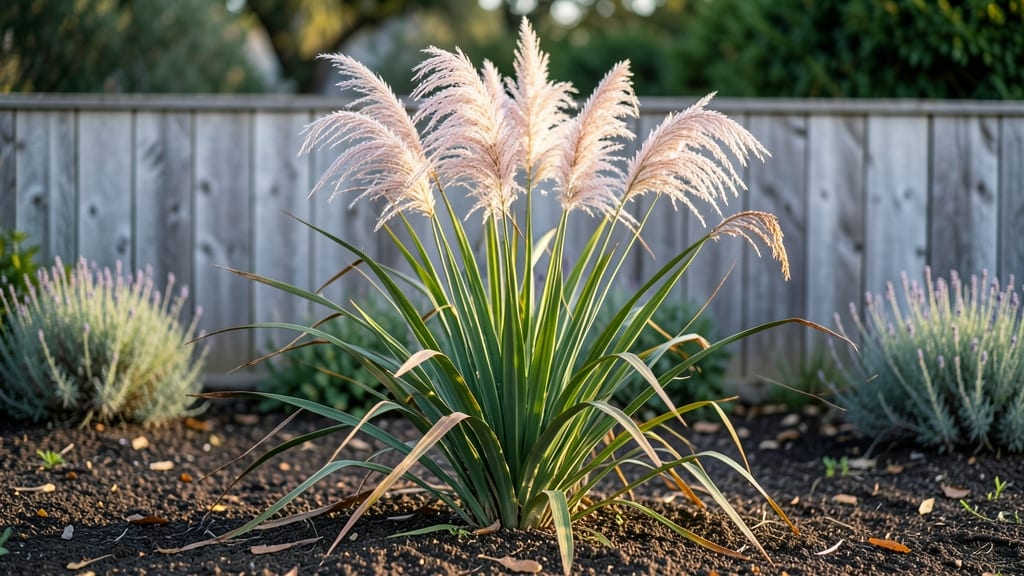
The sight of burning pampas grass isn’t just dramatic—it’s a sign your landscape needs urgent attention. 🌿 I've seen entire borders turn to smoldering embers, but the right steps can transform that crisis into a thriving, fire-resistant display.
The culprit is often a mix of dry conditions, pests like borers, or fungal stress that weakens the stalks before flames even appear.
First, assess the damage: brown patches mean fungal issues, while hollow stems signal borer infestations. Prune affected sections down to healthy growth immediately—this stops the spread and lets fresh shoots emerge.
For prevention, mulch heavily with 3-4 inches of wood chips to retain moisture, and water deeply once a week during dry spells.
What you'll end up with is pampas grass that looks like it belongs in a high-end garden show—tall, plume-like, and completely fireproofed. The secret lies in consistent care: fertilize lightly in spring, avoid overwatering, and watch for early signs of stress.
Within 6-8 weeks, you'll see new growth that's stronger than ever.
This works for both established clumps and new plantings, though younger grass recovers faster. The key is acting before the damage spreads. Let's turn that smoldering mess into a showstopper.
📚 In This Guide
- What you need
- Instructions
- Tips and common mistakes
- Wrapping up and next steps
What you need
- ● Pampas grass clumps: Mature plants (3–5 years old) for optimal burning results. Aim for Cortaderia selloana varieties like ‘Sun King’ or ‘Silver Frost.’
- ● Fire pit or burn barrel: Metal or concrete, minimum 3 feet in diameter (check local burn regulations!).
- ● Fireproof gloves & long sleeves: Heat-resistant (e.g., wool or fire-resistant fabric).
- ● Shovel or garden fork: For turning soil and clearing debris.
- ● Water source (hose or bucket): At least 5 gallons of water per burn session.
- ● Fire extinguisher or sand: Class A-rated extinguisher (or 10 lbs of sand as backup).
- ● Pruners or loppers: For trimming dead foliage before burning.
- ● Tarp or fireproof mat: To protect surrounding soil/landscaping.
- ● Fire starter: Dry kindling or commercial fire starter (avoid accelerants like gasoline!).
- ● Smoke mask or N95 respirator: For sensitive lungs (pampas grass releases some smoke).
- ● Thermometer: To monitor fire temp (never exceed 1,000°F near plants).
- ● Compost bin: To collect ash for garden fertilizer (rich in potassium!).
- ● Local burn permit: Always check if your area requires one!
How to safely burn pampas grass for seasonal renewal
This dramatic perennial thrives on controlled fire—here’s how to do it without harming your landscape.
🔥 Step 1: Choose the Right Time for Burning
Burn pampas grass in late winter or early spring, just before new growth begins. This timing ensures the plant’s dormant state, minimizing stress and allowing it to regenerate from its robust root system. Avoid burning in fall or summer—the plant needs energy reserves to recover, and active growth makes it vulnerable to damage.
Check for brown, dry stalks—these are ready for burning. If green shoots appear, wait another 2-3 weeks. A light frost helps dry out the stalks further, making them safer to burn. I always schedule burning on a calm, dry day with no wind—safety first, especially in drought-prone areas.
✂️ Step 2: Clear the Area and Prepare for Burning
Remove any dead leaves, debris, or nearby flammable materials within a 10-foot radius of the pampas grass. This reduces fire spread and keeps embers from damaging other plants. I also water the surrounding soil lightly to dampen the ground, which helps contain the fire and protects roots.
If your pampas grass is part of a larger landscape, create a firebreak by raking a 2-inch-wide strip of bare soil around the base. This acts as a natural barrier. Never burn near structures, woodpiles, or dry mulch—pampas grass burns hot and fast, and embers can travel unexpectedly.
🔥 Step 3: Light the Fire Safely and Control the Burn
Start small: light the base of 2-3 stalks with a long-handled lighter or match. Let the fire grow slowly—never pour accelerant (like gasoline) on pampas grass. The dry stalks will catch quickly, but the fire should burn clean and hot without lingering smoke. If the fire spreads too fast, smother it with soil or a metal bucket immediately.
Monitor the burn closely. Pampas grass should burn down to the ground within 10-15 minutes, leaving behind blackened stalks and ash. If the fire smolders instead of burning cleanly, it’s too wet—wait for a drier day. Once fully burned, dampen the ashes with water to prevent wind from scattering them.
🌱 Step 4: Post-Burn Care for Revival
After burning, avoid disturbing the area for 4-6 weeks—this allows the roots to regenerate new shoots. You’ll notice slim green shoots emerging within 2-3 weeks, signaling successful renewal. If no growth appears after 6 weeks, the plant may need fertilizer (like a balanced 10-10-10) to stimulate recovery.
Water the base lightly once new growth reaches 4-6 inches tall to encourage root establishment. Avoid heavy watering at first—the roots are fragile after burning. Mulch with 2 inches of organic mulch (like shredded bark) to retain moisture and protect young shoots from temperature swings.
🌿 Step 5: Maintain Fireproofing for Future Seasons
To prevent invasive regrowth, trim back any stray stalks in early summer before they seed. I use pruning shears to cut at the base, then dispose of the clippings in a sealed bag. This keeps your landscape tidy and reduces the risk of accidental fires from stray embers.
Burning pampas grass every 2-3 years keeps it healthy and dramatic. Over-burning weakens the roots, while under-burning lets dead stalks accumulate and block new growth. If your grass looks thin or sparse after burning, consider dividing the clumps in spring to rejuvenate them.
Tips & tricks for perfect pampas grass renewal
Transforming pampas grass through fire is an art—here's how to master the technique while keeping your landscape thriving.
Timing Secret: The 10-15 minute burn window in Step 3 is your critical moment. Watch for the fire to burn down to the ground completely—this indicates the stalks are fully consumed. If you see lingering embers after 15 minutes, the stalks were too wet. In this case, wait for a warmer, drier day to attempt burning again. I've learned the hard way that patience here prevents incomplete burns that leave stubborn blackened stalks behind.
Firebreak Strategy: That 2-inch-wide firebreak in Step 2 deserves extra attention. Create it by raking soil into a shallow trench around your pampas grass clump. This simple barrier has saved me from multiple close calls with accidental fire spread. For larger landscapes, consider extending the firebreak to a 3-foot radius if you're working near other flammable plants or structures. The extra effort prevents what could become a landscape disaster.
Post-Burn Revival: The 4-6 week recovery period in Step 4 is non-negotiable. During this time, resist the urge to trim or fertilize—your plant's roots are working hard to regenerate. I've noticed that plants burned in late winter often show green shoots by early spring, while those burned in early spring may take the full 6 weeks. This timing difference is why I always schedule burns in late winter for maximum spring growth.
Seasonal Maintenance: That recommendation to burn every 2-3 years in Step 5 is based on the plant's natural growth cycle. If you notice your pampas grass looking thin or sparse after burning, it's a sign you've either burned too frequently or not thoroughly enough. I've found dividing the clumps in spring (as mentioned) can revive struggling plants, but this should be a last resort rather than a regular practice.
Pro Tips for Burning Pampas Grass
- Transforming pampas grass through fire is an art—here's how to master the technique while keeping your landscape thriving.
- Timing Secret: The 10-15 minute burn window in Step 3 is your critical moment.
- Firebreak Strategy: That 2-inch-wide firebreak in Step 2 deserves extra attention.
Frequently asked questions
Got questions about burning pampas grass? You’re not alone—this striking plant raises plenty of curiosity! Here are answers to the most common concerns, from safety to timing and everything in between.
Is burning pampas grass safe, or is it highly flammable?
Pampas grass (Cortaderia selloana) is not inherently more flammable than other ornamental grasses, but its dry, feathery plumes can catch fire easily in hot, dry conditions. To minimize risks, keep it well-watered in summer, prune dead foliage regularly, and avoid planting near structures or fire-prone areas. Pro tip: Opt for non-invasive cultivars like 'Pampa King' or 'Silver Comet', which have slightly denser growth.
When is the best time to burn or prune pampas grass to control fire hazards?
The ideal time to prune (or "burn back" with caution) is late winter or early spring (February–March in most U.S. zones). This removes dried plumes before they become a fire risk while allowing new growth to emerge. Never burn live grass! Use sharp pruners or a string trimmer to cut plumes at ground level, then dispose of debris in a sealed trash bin or compost pile away from flammable materials.
What’s a fire-resistant alternative to pampas grass for high-risk areas?
If you love the dramatic look but want lower fire risk, try these fire-smart alternatives:
- Miscanthus sinensis ('Zebrinus'): Upright, arching forms with striped leaves; less flammable when kept moist.
- Carex oshimensis ('Evergold'): A low-growing, clumping sedge with golden foliage—drought-tolerant and non-flammable.
- Fountain grass (Pennisetum spp.): Soft, airy plumes that burn slower than pampas; choose 'Hameln' for a bushier habit.
- Ornamental bamboo (Fargesia spp.): Dense, evergreen clumps that resist fire and spread slowly.
For extra safety, pair these with fire-resistant ground covers like Liriope or Carex.
How do I safely dispose of burned or pruned pampas grass debris?
Never leave cuttings or burned debris on-site—it can reignite or attract pests. Best disposal methods:
- Green waste bins: Check local regulations; many municipalities accept pruned plant material.
- Composting: Shred debris finely and mix with "green" (nitrogen-rich) materials like grass clippings to speed decomposition.
- Landfill or incineration: If composting isn’t an option, seal debris in a heavy-duty trash bag and dispose of it properly.
- Avoid burning on-site: Open fires are illegal in many areas and pose a fire hazard to your property.
Pro tip: Soak debris in water for 24 hours before composting to reduce fire risk further.
My pampas grass keeps growing back after burning—why, and how do I stop it?
Pampas grass is perennial, meaning it regrows from its root system even after burning. To control regrowth:
- Cut it down: Use pruners or a string trimmer to remove plumes at the base in late winter.
- Apply vinegar or herbicide: For stubborn regrowth, spray a 20% vinegar solution (1 part vinegar to 4 parts water) on foliage before pruning, or use a systemic herbicide like glyphosate (follow label instructions carefully).
- Dig up roots: For complete removal, dig out the rhizomes in early spring when the soil is soft. Wear gloves—roots can be sharp!
Warning: Herbicides can harm nearby plants, so spot-treat only the target area.
Wrapping up and next steps
Transforming your landscape with burning pampas grass is a bold, fire-resistant choice that adds drama and texture while demanding minimal upkeep. Whether you're drawn to its fiery plumes or its resilience, this perennial is a game-changer for drought-prone or high-risk areas.
Ready to elevate your outdoor space? Start by selecting the perfect spot—sunny, spacious, and well-drained—and watch your garden thrive with effortless elegance.
🌿 Pro tip: Pair it with native plants to create a low-maintenance, fire-smart oasis!