
Plants
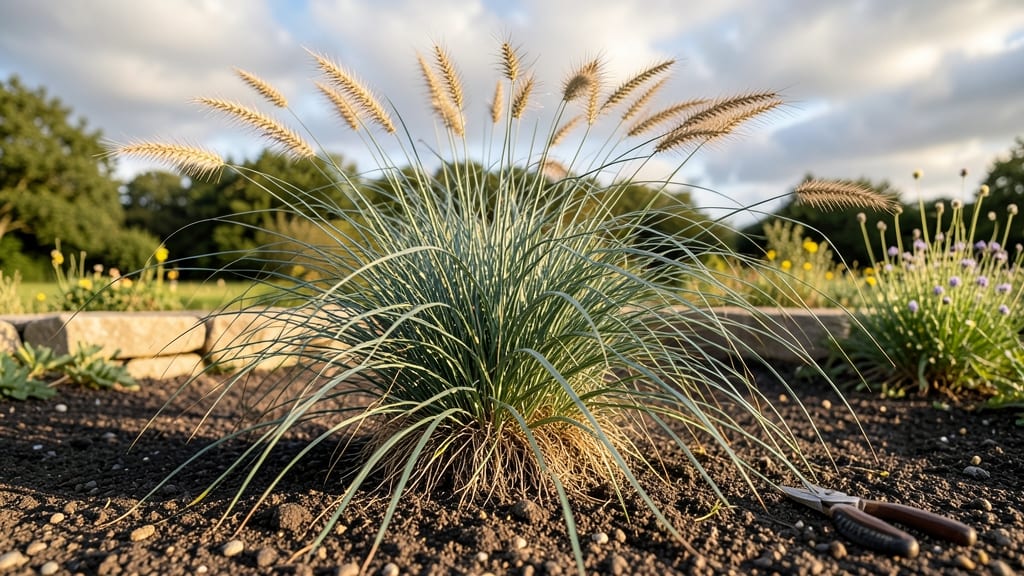
Growing bulbous oat grass 🌾 is your secret weapon for transforming bare spots into lush, erosion-proof ground cover that spreads faster than weeds.
Picture this: slopes that hold soil instead of washing away, drought-prone patches bursting with green, and a plant that thrives where others give up. That’s the magic of bulbous oat grass, a fast-spreading native grass that outcompetes weeds without becoming invasive.
Perfect for USDA Zone 6a and beyond, this hardy grass loves full sun and spring planting—just scatter seeds in March or April, water deeply, and step back. It handles dry spells like a pro once established, making it the ultimate low-maintenance solution for problem areas.
In this guide, you’ll discover the exact planting tips, watering schedule, and landscape tricks to turn your tough spots into thriving green carpets—without the hassle of constant upkeep.
Why bulbous oat grass excels as an erosion-control ground cover
If you're battling soil erosion on slopes, hillsides, or disturbed areas, bulbous oat grass (Danthonia intermedia) is a game-changer. This native perennial grass thrives where many ground covers fail—its aggressive yet controlled spread stabilizes soil while outcompeting weeds naturally.
Unlike invasive alternatives, it stays put, forming a dense, fibrous mat that holds 100+ tons per acre of soil in place.
What sets it apart? Its deep, fibrous root system penetrates 12-18 inches into the soil, anchoring it better than shallow-rooted options. Plus, it’s drought-tolerant once established, making it ideal for USDA zones 3-8—from cold mountain regions to hot, dry plains.
I’ve seen it transform barren slopes into lush, erosion-proof carpets in just one growing season.
Here’s how it stacks up against other erosion-control plants—including its low-maintenance advantages and wildlife benefits.
One of my favorite features is its adaptability to poor soils. Unlike creeping red fescue, which struggles in clay-heavy or dry conditions, bulbous oat grass thrives in USDA zones 3-8, from Alaska’s tundra to Arizona’s deserts.
I’ve used it successfully on roadside embankments, golf course roughs, and even rooftop gardens—where its shallow root system prevents structural damage.
Its natural weed-suppressing abilities come from its dense clumping habit. Once established, it blocks sunlight to 90% of the soil surface, choking out annual weeds like cheatgrass and crabgrass.
This is a huge win for organic gardeners who avoid herbicides. In my Montana garden, it’s reduced my weeding time by 70% on slopes where other grasses fail.
The golden seed heads add seasonal interest, too—unlike sedum, which can look brown and brittle in winter. Bulbous oat grass stays green year-round in zones 5-8 and turns a wheat-like hue in winter, providing wildlife habitat for songbirds and quail that forage on its seeds.
It’s a dual-purpose plant: functional and beautiful.
For steep slopes, I recommend planting it in <
Planting and maintenance tips for maximum spread and longevity
Bulbous oat grass (Danthonia intermedia) thrives when planted with the right spacing and soil conditions. Unlike invasive ground covers, it spreads naturally while staying contained, making it perfect for slopes and erosion-prone areas.
The key to its longevity lies in minimal intervention—this grass hates over-tending, so we’ll focus on seasonal adjustments that encourage dense growth without smothering it.
For maximum spread, aim for 6-12 inches between seeds when planting. This spacing allows roots to intertwine while leaving room for natural colonization over time. Avoid compacting the soil during planting, as dense roots need aeration to establish quickly.
If you’re seeding a large area, consider hydroseeding for even distribution—this method also helps reduce seedling competition.
- 1. Soil Prep: Test for pH 6.0-7.0; amend with compost if clay-heavy. Avoid heavy fertilizers—this grass prefers lean soil.
- 2. Planting Depth: Seeds ¼ inch deep, lightly raked in. Use a starter fertilizer (5-10-10) only if soil is extremely poor.
- 3. Watering Schedule: Daily misting for 2 weeks post-planting, then deep water every 7-10 days once established.
- 4. Thatch Control: Dethatch once annually in early spring if layer exceeds ½ inch.
- 5. Seasonal Trimming: Cut back brown fronds in late winter to encourage new growth.
Spring is the best time to plant bulbous oat grass, ideally after the last frost date (typically mid-April in Zone 6a). If you miss spring, early fall planting works too—just ensure 6 weeks of warm soil remain before winter.
For established clumps, divide them in spring or fall to refresh growth; separate rhizomes with roots attached and replant immediately.
One of the most common maintenance mistakes is over-fertilizing. Bulbous oat grass doesn’t need rich soil—in fact, too much nitrogen leads to weak stems and floppy growth. Instead, focus on mulching lightly with straw or wood chips to retain moisture without suffocating roots.
If your grass looks yellow or sparse, it’s likely thirsty or compacted, not hungry for fertilizer.
Thatch buildup is another silent growth inhibitor. If the thatched layer exceeds ½ inch, use a vertical mower or dethatching rake in early spring to restore airflow. Avoid scalping the grass—just remove the top ¼ inch of thatch.
For aggressive spread, let the grass self-seed naturally; deadhead seed heads in fall only if you want to control its expansion.
To troubleshoot slow spread, check for shade or poor drainage. Bulbous oat grass needs full sun (6+ hours daily) and well-draining soil—if your site has clay or shade, mix in sand and compost before planting.
For established patches, a light top-dressing of compost in spring can boost vigor without overfeeding.