
Lawn
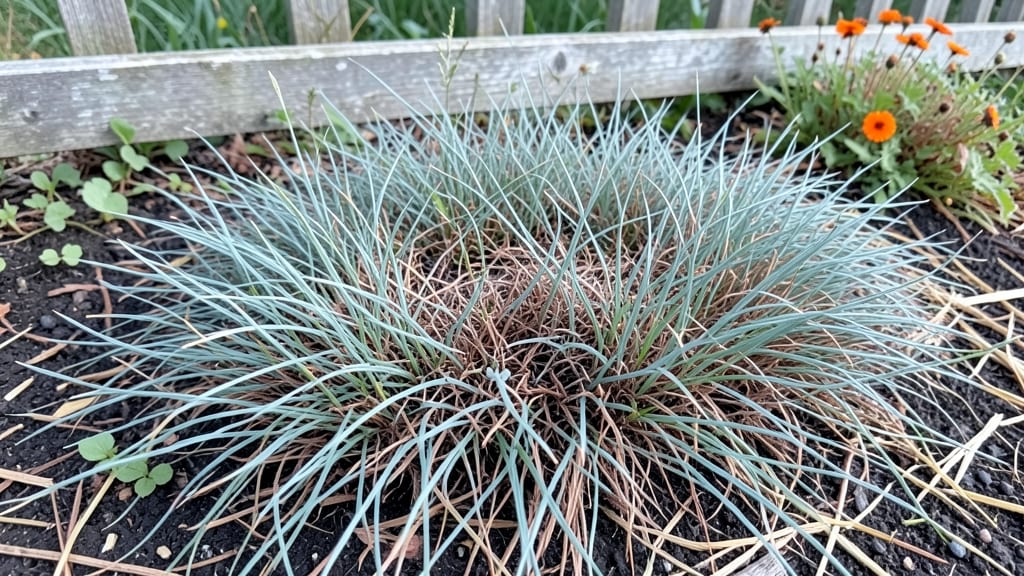
Reviving a brown grass plant 🌱 starts with understanding why your lawn lost its vibrant green—and the good news is, it’s often easier to fix than you think.
Waking up to a lawn turning brown isn’t just an eyesore—it’s a sign your grass is struggling, and the longer you wait, the harder it is to revive.
Whether caused by drought, pests, or poor soil, these 5 fast fixes can bring your lawn back to life before it’s too late.
You don’t need a green thumb or expensive tools to turn things around. A few simple adjustments—like watering deeper, checking for hidden pests, or giving the soil a nutrient boost—can make all the difference in just a few weeks.
Below, I’ll walk you through the most effective solutions, ranked by urgency, so you can get your lawn looking lush again without wasting time on guesswork.
5 Fast fixes for brown grass plant revival (ranked by urgency)
Seeing your once-vibrant lawn turn brown can feel like a slow-motion disaster, but the good news is most cases aren't permanent. The key is acting fast—some fixes like watering adjustments show results in days, while others like soil aeration take a few weeks to reveal their magic.
I've ranked these solutions by urgency so you can tackle the most critical issues first and stop the damage from spreading.
Before you rush out to buy supplies, take a quick walk around your yard. Look for patchy brown spots (likely fungal issues), uniform browning (usually drought), or thin, straw-like grass (nutrient deficiency).
These clues help you prioritize which fixes will work fastest for your specific problem. Remember, the sooner you act, the easier it is to revive your grass.
Here's my battle-tested list of 5 fast fixes, starting with the most urgent solutions that can stop grass death in its tracks:
Check Watering Immediately
Brown grass often signals underwatering or overwatering. Water deeply 1-2 inches per week—early morning is best. Use a rain gauge or tuna can to measure; most lawns need 2-3 waterings per week in summer.
Raise Mower Height
Set blades to 3-4 inches—taller grass shades roots, retains moisture, and fights drought. Never cut more than 1/3 of blade height at once. This simple fix can prevent further damage while you work on deeper solutions.
Apply Fast-Acting Fertilizer
Use a high-nitrogen fertilizer (like 24-0-4) to jumpstart recovery. Spread 1/2 cup per 100 sqft in early morning, then water deeply. Look for green-up in 7-10 days if deficiency was the issue.
Aerate Compacted Soil
Rent a core aerator to pull 3-4 inch plugs from soil. This lets water/oxygen reach roots. Follow up with compost or topsoil to fill holes. Best done when grass is 1-1.5 inches tall—results take 2-3 weeks.
Treat Pests/Disease
For grubs, use nematodes or milky spore. For fungus (like brown patch), apply fungicide with myclobutanil. Act fast—pests/disease spread quickly. Test a small area first to confirm the issue.
If your grass is crunchy and brown (not just dormant), act on the top 3 fixes within 48 hours. Watering and mower height adjustments are your first line of defense—they can stop further damage immediately.
Fertilizer comes next, as nutrient deficiencies often take days to show improvement. Aeration and pest control are longer-term plays but critical if your soil is hard as concrete or you spot grubs or fungal rings.
Pro tip: After fixing watering issues, overseed bare spots with a fast-germinating mix (like ryegrass). This creates a temporary green carpet while your existing grass recovers. Just keep the seed moist for the first 2 weeks—consistency is key.
Remember, brown grass isn't always dead. Many types go dormant in extreme heat or drought, then bounce back with proper care. The worst offenders are fungal diseases (like dollar spot) or grub infestations, which require targeted treatments.
If you've tried these fixes and see no improvement in 3 weeks, it might be time to consult a local lawn care pro.
Your lawn's revival starts with these urgent fixes, but don't stop there. Once you've addressed the immediate crisis, focus on long-term soil health—think compost top-dressing and seasonal fertilization.
A healthy lawn is resilient, and with the right care, your grass will be back to its vibrant self in no time. 🌱
How to diagnose why your grass turned brown (common causes & fixes)
Seeing patches of brown grass can be alarming, but identifying the exact cause is the first step to restoring your lawn. The issue might be as simple as drought stress or as serious as fungal disease.
Start by examining the pattern and texture of the brown areas—this gives critical clues about what’s wrong. For example, uniform yellowing often signals overwatering, while crunchy, dry patches point to dehydration.
Another key visual cue is the size and shape of the affected areas. Small, irregular brown spots could indicate pest damage or disease, whereas large, even patches often mean compacted soil or nutrient deficiency.
Don’t overlook the role of seasonal changes—winter dormancy or summer heat can also turn grass brown temporarily. By narrowing down the cause, you can apply the right fix quickly.
🌱 comparison table
| Issue | Visual Clues | Likely Cause | Solution |
|---|---|---|---|
| Patchy brown spots | Small, irregular areas with green borders | Fungal disease or pests | Apply fungicide or insecticide |
| Uniform yellow-brown | Entire lawn turns dull, spongy texture | Overwatering or poor drainage | Reduce watering, improve drainage |
| Crunchy, dry patches | Hard, brittle grass blades, no green | Drought stress or compacted soil | Deep watering + aeration |
| Large even brown areas | Smooth, thick patches, no growth | Nutrient deficiency or soil compaction | Fertilize + overseed |
If your grass shows patchy brown spots with green borders, you’re likely dealing with a fungal infection like brown patch or dollar spot. These issues thrive in warm, humid conditions and often appear after heavy dew or rain.
To confirm, gently pull up a small section of grass—if you see black or purple threads (fungal mycelium), it’s time to act fast with a fungicide treatment. Apply it in the early morning when humidity is high for best results.
For compacted soil, look for areas where the grass feels spongy or springs back slowly when stepped on. This happens when foot traffic or heavy equipment compresses the soil, cutting off air and water to the roots.
The fix? Rent a core aerator to pull small soil plugs and let oxygen and water penetrate. Follow up with topdressing compost to improve soil structure over time.
When in doubt, test your soil pH—most lawns thrive at a pH of 6.0 to 7.0. A soil test kit (available at garden centers) will tell you if your lawn is too acidic or alkaline.
Adjust with lime (to raise pH) or sulfur (to lower pH) based on the results. This simple step can revive struggling grass by making nutrients more accessible to the roots.
Remember, some brown grass is normal—like during dormancy in winter or when summer heat slows growth. But if the issue persists beyond a few weeks, take action before the problem spreads.
Start with the comparison table above to narrow down the cause, then apply the fix that matches your lawn’s symptoms.