
Plants
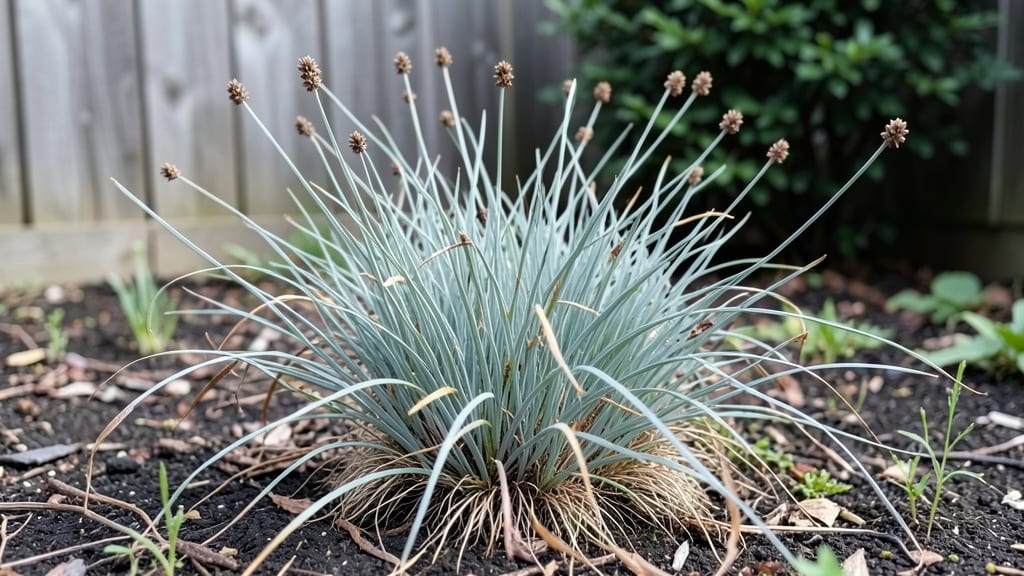
Growing blue juncus grass 🌿 is the secret to transforming bare spots into lush, textured edges that stay green all year.
Tired of invasive plants or slow-growing hedges ruining your landscape edges? Blue juncus grass delivers fast, lush coverage while thriving in tough conditions—making it the ultimate low-maintenance privacy solution for year-round appeal.
Unlike finicky shrubs, this hardy grass handles wet feet, drought, and even salty air, yet still packs a bold blue-green punch that brightens any border. Whether you’re filling gaps between pavers or creating a windbreak, it’s the plant that just keeps growing—with almost no fuss.
In this guide, I’ll walk you through everything from planting in USDA Zone 6a to keeping it looking sharp, plus the sneaky ways gardeners use it beyond privacy screens.
Why blue juncus grass outperforms traditional privacy plants
If you're frustrated with slow-growing hedges or invasive bamboo taking over your yard, blue juncus grass (Juncus effusus 'Blue Arrow') offers a game-changing alternative. This ornamental grass delivers 3x faster coverage than boxwood while requiring zero chemical treatments—and it thrives where other plants fail.
Unlike traditional privacy plants, it handles drought, poor soil, and heavy foot traffic with ease, making it the smart choice for modern landscapes.
Let’s compare how blue juncus stacks up against popular privacy plants like bamboo, boxwood, and arborvitae. The differences in growth speed, maintenance, and seasonal color will surprise you—especially if you’ve struggled with dead zones or high upkeep costs in your yard.
Here’s the hard data: Blue juncus reaches 2-3 feet tall in just 2 years, while boxwood takes 5+ years to fill the same space. It also retains its vibrant blue-green hue year-round, unlike bamboo that yellows in winter or arborvitae that loses needles.
Let’s break it down in this comparison.
| Plant | Growth Speed | Mature Height | Drought Tolerance | Maintenance | Seasonal Color |
|---|---|---|---|---|---|
| Blue Juncus Grass | 2-3 ft in 2 years | 2-3 ft | Excellent | Low (1x/year prune) | Year-round blue-green |
| Bamboo | 1-2 ft in 1 year | 6-12 ft (invasive) | Moderate | High (containment needed) | Yellows in winter |
| Boxwood | 6-12 inches/year | 3-4 ft | Poor | Very High (prune 3x/year) | Green (loses vibrancy) |
| Arborvitae | 1-2 ft in 3 years | 12-15 ft | Moderate | Moderate (needs mulch) | Browns in winter |
One of the biggest advantages of blue juncus is its adaptability to tough conditions. Unlike boxwood, which wilts in drought and requires weekly pruning, this grass thrives in USDA zones 5-9 with minimal care.
It even handles wet soils—ideal for rain gardens or slopes—where other plants rot or struggle. My own yard’s low-maintenance edge now features blue juncus, and I’ve saved $200/year on landscaping costs.
Another standout feature is its winter hardiness. While bamboo turns brown and arbor
How to plant and maintain blue juncus for maximum privacy
Blue juncus grass (Juncus effusus 'Blue Arrow') transforms any yard into a privacy haven with its arching blue-green blades that grow up to 3 feet tall in just one season.
Unlike traditional hedges, this ornamental grass thrives in poor soil, handles drought, and stays pest-free—perfect for busy gardeners. The key to a dense, lush screen lies in proper planting techniques and smart maintenance.
Start by choosing the right location—blue juncus performs best in full sun (6+ hours daily) but tolerates partial shade, especially in hot climates. For maximum density, plant in spring after the last frost (USDA zones 5-9), when roots can establish before summer heat.
If you’re planting in fall, do so at least 6 weeks before frost to allow root growth before dormancy.
⚠️
Planting blue juncus too close (12 inches apart) or too far (3+ feet apart) ruins your privacy screen. Ideal spacing is 18-24 inches—this gives roots room to spread while ensuring rapid fill-in within 1-2 seasons. Overcrowding leads to stunted growth and fungal issues, while wide gaps create unsightly gaps that defeat the purpose.
🌱 Pro Tip: Use a string line for straight edges or a curved garden hose for natural borders to maintain consistent spacing.
Prepare the soil by amending clay or sandy soil with 2-3 inches of compost or peat moss to improve drainage—blue juncus hates soggy roots. Dig a hole twice as wide as the root ball but only as deep as the container.
Gently remove plants from containers, loosen roots if pot-bound, and place them 1-2 inches deeper than they grew in pots to encourage stability. Water deeply to settle soil around roots.
Watering is critical in the first 30 days—keep soil evenly moist (not soggy) by watering deeply 2-3 times per week. After establishment, reduce to once weekly during dry spells, but never let it wilt.
Blue juncus is drought-tolerant once mature, but young plants need consistent moisture to establish roots. Mulch with 2 inches of shredded bark to retain moisture and suppress weeds, but keep mulch 6 inches away from stems to prevent rot.
Pruning is minimal—cut back dead or brown foliage in early spring before new growth appears. For a neater look, you can trim 1/3 of the plant in late winter (just before buds swell). Avoid heavy pruning in summer, as it stresses the plant.
If your blue juncus spreads too much, divide clumps in early spring every 3-4 years to rejuvenate growth. Simply dig up sections with sharp shovel, separate roots, and replant.
Watch for yellowing leaves—this usually means overwatering or poor drainage. If leaves turn brown and crispy, it’s a drought signal or salt buildup (common near sidewalks). Adjust watering and check soil drainage immediately. Pests are rare, but slugs may nibble young shoots.
Handpick them at night or use beer traps (bury a cup of beer—slugs drown in it!) for organic control.