
Pests and Diseases
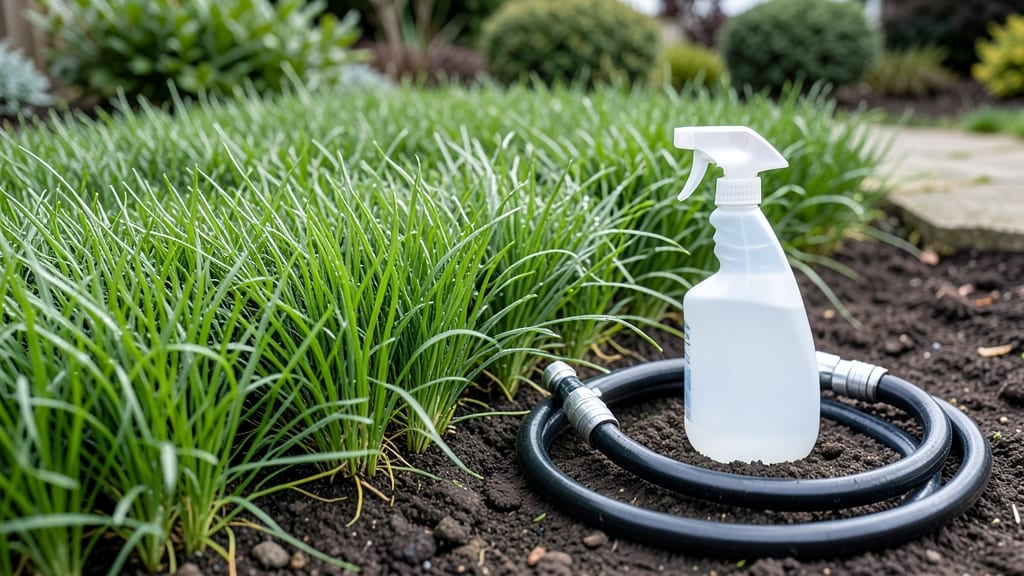
Using bleach to kill grass involves mixing one part unscented bleach with four parts water, spreading it evenly on a dry day, and covering the area with plastic for 24-48 hours. Overuse risks permanent damage to soil and nearby plants.
Bleach works by releasing sodium hypochlorite, which disrupts grass cell structures and breaks down chlorophyll—basically starving the plants. 🔥 The process isn't instant, which is why covering the area helps trap the fumes and maximize effectiveness.
I always recommend testing a small patch first, since some grass types or soil conditions may react differently. Plus, bleach's chemical nature means it can linger in the soil, so I'd only use this method for spot treatments, not entire lawns.
💡 In This Article
- How Bleach Kills Grass and Its Chemical Impact
- Step-by-Step Bleach Application Guide for Grass Removal
How bleach kills grass and its chemical impact
Bleach works as a herbicide primarily through its active ingredient, sodium hypochlorite (NaOCl), which releases chlorine gas when exposed to organic matter. This gas penetrates grass blades, disrupting the cell membranes and causing rapid dehydration.
The process is similar to how chlorine sanitizes water—it breaks down cellular structures, preventing the grass from absorbing nutrients or water. Within 24-48 hours, the grass turns brown and dies as chlorophyll production halts completely. 🔥
The chemical reaction begins when sodium hypochlorite decomposes into hypochlorous acid (HOCl), which is highly reactive. This acid oxidizes the grass's cellular components, including enzymes and pigments like chlorophyll.
For comparison, commercial herbicides like glyphosate work by inhibiting specific plant proteins, while bleach's approach is more indiscriminate—it damages all plant tissues it contacts. The pH of the solution (typically 11-13) also plays a role, as alkaline conditions further stress plant cells.
One critical factor is how bleach affects the root system. While the visible blades die quickly, the roots may take longer to decompose, especially in dense grass. This is why covering the area with plastic helps—it traps the chlorine fumes near the soil, accelerating root death.
However, this same process can harm beneficial soil microbes and nearby plants, which is why unscented bleach is preferred. Scented versions contain additives that can further stress surrounding vegetation and soil organisms. 💫
Long-term soil damage is a major concern. Bleach can alter soil pH levels, making them more alkaline and less hospitable for future plantings. For example, a 1:4 bleach-to-water ratio applied heavily can raise soil pH by 1-2 units, potentially lasting for months.
This is why professionals recommend using bleach only for spot treatments or when preparing land for complete replanting with non-grass species. For comparison, vinegar (acetic acid) kills grass by lowering soil pH, but its effects are less persistent than bleach's chemical alterations.
Another key difference is bleach's effectiveness versus other herbicides. While glyphosate (like Roundup) targets specific plant proteins and can be used preventatively, bleach's action is immediate but non-selective. This means it will kill any green plant it touches, including weeds and desirable vegetation.
The trade-off is that bleach works faster—typically within 2-5 days—compared to 1-3 weeks for many herbicides. However, this speed comes with greater environmental risks, especially in areas with groundwater runoff. 🌱
For those considering bleach as a grass-killing method, it's essential to weigh the short-term convenience against long-term soil health. While it's effective for eliminating grass quickly, the chemical residue can linger, affecting future landscaping plans.
Always conduct a soil test after treatment to assess pH and nutrient levels before replanting. This step is often overlooked but crucial for maintaining a healthy garden or lawn in the long run.