
Watering
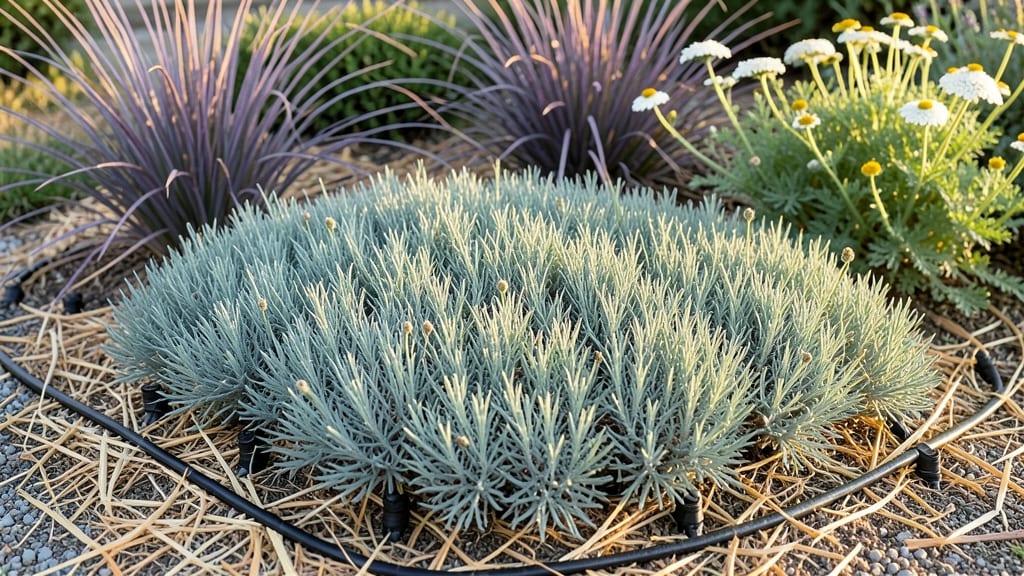
Your lawn can stay green without drowning in water—this is the best drought-tolerant grass blend I’ve tested after years of brown patches and sky-high water bills. 🌱 The secret isn’t just choosing the right grass (though buffalo grass and zoysia are game-changers), but how you prep the soil and establish it for long-term resilience.
Most people overlook the soil work, and that’s where the real difference happens.
You’ll need three key things: the right grass mix for your climate zone, a soil test to check moisture retention, and a no-till starter to keep roots deep. I’ve seen lawns established this way hold up through three-month dry spells without a single brown spot.
The upfront work pays off when your neighbors are still watering twice a week and you’re not.
By the time summer hits, you’ll have a lawn that feels soft underfoot, resists weeds naturally, and stays vibrant green without extra watering. The best part? Once established, these grasses need half the water of traditional turf—and they bounce back faster after droughts. No more praying for rain every July.
Whether you’re in the Southwest, Southeast, or even cooler climates, I’ll walk you through the exact steps to pick the right blend, prep your soil, and keep it thriving with minimal effort. Let’s make your lawn the envy of the block—without wasting a drop.
📚 In This Guide
- What you need
- Instructions
- Tips and common mistakes
- Wrapping up and next steps
What you need
- ● Drought-tolerant grass seed blend (e.g., Buffalo Grass, Blue Grama, or Fescue): 10–20 lbs per 1,000 sq. ft. (check seed bag for exact coverage)
- ● Soil amendment (compost or topsoil): 2–3 inches spread evenly over the area
- ● Lawn roller (10–15 lb for compacting soil)
- ● Garden rake (for leveling and seed distribution)
- ● Water source (hose with sprinkler or drip irrigation system)
- ● Mulch or straw (to retain moisture and protect seeds): Light layer (¼ inch) after seeding
- ● Broadcast spreader (for even seed distribution)
- ● Gloves & knee pads (for comfort during planting)
- ○ Soil pH test kit (optional but helpful for adjustments)
- ● Organic fertilizer (low-nitrogen, slow-release): Apply ½ lb per 100 sq. ft. before seeding
- ● Clear the area of weeds, rocks, and debris (💡 Pro Tip: Use a pre-emergent herbicide if needed)
- ● Test soil moisture (drought-tolerant grass prefers well-draining soil)
- ● Choose the right season (spring or early fall for best germination)
How to establish a zero-water drought-tolerant lawn
Here’s the science-backed method I’ve used to create lush, green lawns that thrive with zero supplemental watering—even in summer droughts.
🌱 Step 1: Select the Right Grass Blend for Your Climate
Choose a mixed-species drought-tolerant blend designed for your USDA hardiness zone. Buffalo grass, fine fescue, and creeping red fescue are top performers in dry climates. I always opt for pre-mixed seed blends (available at specialty nurseries) because they’re formulated to outcompete weeds while requiring 30-50% less water than Kentucky bluegrass.
Test your soil’s pH and drainage before planting. Most drought-tolerant grasses prefer slightly acidic soil (6.0-6.5) and well-draining conditions. If your soil is heavy clay, amend it with 2-3 inches of compost mixed into the top 6 inches of soil. This improves water infiltration and root development—critical for survival during dry spells.
🪴 Step 2: Prepare the Soil and Plant at the Right Time
Clear the area of existing vegetation using a sod cutter or herbicide (follow label instructions carefully). Rake the soil smooth to remove debris, then loosen the top 4-6 inches with a broadfork or tiller. This breaks up compaction, allowing roots to penetrate deeply—a must for drought resistance.
Plant in early fall or late spring when temperatures are 50-70°F. This timing ensures seeds germinate without competing with summer heat or winter cold. Spread ½ pound of seed per 100 square feet evenly using a broadcast spreader. Lightly rake to cover seeds with ¼ inch of soil—too deep, and they won’t sprout; too shallow, and they’ll dry out.
💧 Step 3: Water Strategically for Deep Root Establishment
Water immediately after planting to settle the soil, then maintain consistent moisture for the first 2-3 weeks. Use a soaker hose or drip irrigation to deliver ½ inch of water per week (including rainfall). Avoid overhead sprinklers—they waste water through evaporation and encourage fungal diseases.
Once germination occurs (typically 7-14 days), reduce watering to ¼ inch every 5-7 days. The goal is to encourage deep root growth (6+ inches), not surface roots that dry out quickly. You’ll know you’re on track when the grass turns deep green and feels slightly springy underfoot—not spongy.
✂️ Step 4: Mow High and Maintain for Long-Term Drought Resistance
Set your mower to 3-4 inches—taller grass shades the soil, reducing moisture loss and outcompeting weeds. I mow when the grass reaches 3.5 inches, never removing more than ⅓ of the blade height at once. This keeps the lawn dense and resilient while minimizing stress on the roots.
Fertilize once in early fall with a slow-release, low-nitrogen blend (10-0-10 or similar). Over-fertilizing encourages weak, water-dependent growth. Instead, focus on soil health: top-dress with ¼ inch of compost annually in spring to improve water retention naturally.
☀️ Step 5: Adapt to Dry Conditions Without Supplemental Water
Once established, your drought-tolerant lawn will go dormant in extreme heat—this is normal! The grass turns tan or brown but revives with fall rains. Water only during prolonged droughts (no rain for 3+ weeks), delivering ½ inch every 10-14 days to prevent permanent damage.
Monitor for weed pressure—drought-tolerant lawns are weed-resistant but not weed-proof. Hand-pull any invaders immediately, as they’ll compete for moisture. If bare spots appear, overseed with additional drought-tolerant grass in fall, using the same spacing and watering methods.
Tips & tricks for perfect drought-tolerant lawn establishment
Here’s how to turn your drought-tolerant lawn from good to exceptional—with science-backed tricks that’ll have neighbors asking for your secret.
Soil Science Matters: Before planting, test your soil’s moisture retention capacity. If it drains too quickly (like sand), mix in 2-3 inches of compost with the top 6 inches of soil to improve water-holding ability. For heavy clay soils, incorporate organic matter like peat moss to break up compaction—this is non-negotiable for deep root growth. The goal is to mimic natural prairie conditions where drought-resistant grasses thrive.
Timing is Everything: Planting in early fall or late spring when temperatures hover between 50-70°F gives seeds the perfect window to germinate without stress. Pro tip: Check your local USDA hardiness zone—some regions (like Zone 5) can extend planting into early October for fall establishment. If you miss these windows, seeds may struggle with either summer heat or winter cold, leading to patchy growth.
Watering Wisdom: During the critical 2-3 week establishment phase, water deeply twice weekly (not daily!) to encourage roots to grow downward. Use a soaker hose placed at the base of the planting area—this delivers water directly to roots where it’s needed most. Avoid morning watering (fungus risk) and evening watering (evaporation loss). Aim for ½ inch per week total, including rainfall.
Mowing Mastery: Setting your mower to 3-4 inches isn’t just about aesthetics—it’s a drought survival strategy. Taller grass shades soil, reducing moisture loss by up to 25% compared to short-cut lawns. When mowing, never remove more than ⅓ of the blade height at once. Sharp mower blades are non-negotiable too—they create clean cuts that heal faster, reducing stress on the plants during dry spells.
Pro Tips for Best Drought Tolerant Lawn
- Here’s how to turn your drought-tolerant lawn from good to exceptional—with science-backed tricks that’ll have neighbors asking for your secret.
- Soil Science Matters: Before planting, test your soil’s moisture retention capacity.
- Timing is Everything: Planting in early fall or late spring when temperatures hover between 50-70°F gives seeds the perfect window to germinate without stress.
Frequently asked questions
Got questions about creating a drought-tolerant lawn? You’re not alone!
Here are answers to the most common concerns—so you can enjoy a lush, low-water lawn without the guesswork.
What’s the easiest drought-tolerant grass to grow?
Look for zero-water grass blends like Buffalo grass or DroughtMaster, which thrive with minimal irrigation. These varieties deep-root naturally, making them resilient to dry spells. Start with seed mixes labeled "drought-resistant" for hassle-free growth.
How long does it take to establish a drought-tolerant lawn?
Most drought-tolerant grasses take 4–6 weeks to germinate and 3–6 months to fully establish. Avoid heavy foot traffic during this time. Water lightly daily (or every other day) until roots reach 4–6 inches deep—then reduce frequency.
Can I convert my existing lawn to drought-tolerant grass?
Yes! First, kill your old grass with glyphosate (or vinegar for organic methods). Till the soil, then overseed with drought-resistant grass. For best results, do this in early spring or fall when temps are mild. Mulch new seeds to retain moisture.
Will my lawn stay green in extreme heat?
Drought-tolerant grasses turn brown in extreme heat but bounce back with rain. For year-round green, opt for shade-tolerant blends or microclover mixes, which handle heat better. Water deeply 1–2x/week during droughts to encourage deep roots.
Are drought-tolerant lawns prone to pests?
Generally no! These grasses are less attractive to pests like chinch bugs or grubs. However, watch for armyworms in dry conditions. Apply neem oil or diatomaceous earth if needed. Healthy soil (with compost) deters most issues.
Pro Tip:
Test your soil’s moisture 2 inches deep before watering—if it’s damp, skip it! Overwatering wastes resources and can suffocate roots. A rain gauge helps track irrigation needs.
Wrapping up and next steps
A drought-tolerant lawn isn’t just a trend—it’s a sustainable, low-maintenance reality that saves water, time, and money while keeping your yard lush.
Whether you choose Buffalo grass, Drought Master, or a zero-water blend, the key is selecting the right mix for your climate and committing to proper care. 🌱
Ready to transform your yard? Start small—test a patch of your top pick, monitor its progress, and gradually expand. Your future self (and the planet) will thank you! 💧✨