
Plants
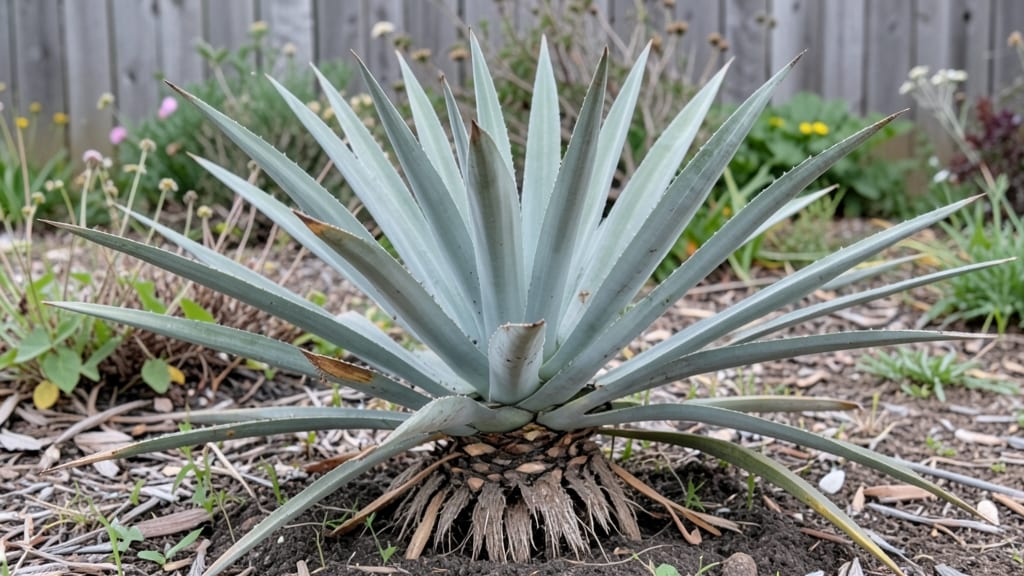
Arizona’s bear grass (Nolina spp.) 🌱 is the secret weapon for desert landscaping—this tough, drought-loving perennial turns water-guzzling yards into stunning, low-maintenance oases.
Picture this: winter’s first rains arrive, and within weeks, your bear grass is already sending up fresh rosettes while your neighbors’ lawns stay brown. That’s the magic of Nolina—it thrives where most plants give up, and with the right care, it becomes the star of your Arizona garden.
But here’s the catch: planting too late or overwatering can turn your bear grass into a sad, leggy mess. The key? Timing it right—December to February—and letting the desert do the heavy lifting once it’s established.
In this guide, I’ll walk you through selecting the perfect variety, mastering the dry-climate care tricks, and designing layouts that make your bear grass the envy of the neighborhood—without wasting a drop of water.
How to identify and select bear grass varieties for Arizona’s climate
Arizona’s diverse climates—from the Sonoran Desert to the Mogollon Rim—host several bear grass (Nolina spp.) varieties, each adapted to specific conditions. The most iconic is Nolina bigelovii, Arizona’s state wildflower, but others like Nolina microcarpa and Nolina parryi thrive in different elevations.
Understanding these differences ensures you select the perfect variety for your landscape’s sun exposure, soil type, and elevation zone.
Native to Arizona’s low deserts, Nolina bigelovii stands out with its arching, grass-like leaves and striking white flowering spikes in spring. It’s hardy in USDA zones 7-10 and tolerates poor, rocky soils common in the Sonoran Desert.
Meanwhile, Nolina microcarpa, found at higher elevations like the Mogollon Rim, prefers well-draining, slightly richer soils and handles cooler temperatures better.
Your choice depends on three key factors: elevation, soil drainage, and sunlight intensity. Low desert regions (2,000 ft or lower) favor Nolina bigelovii, while mid-elevation areas (4,000–6,000 ft) suit Nolina microcarpa.
Higher elevations may support Nolina parryi, which thrives in cooler microclimates with partial shade.
Here’s a quick comparison to help you decide:
<summary-table>| Variety | Native Region | Elevation Range | Soil Preference | Sunlight Needs | Mature Height |
|---|---|---|---|---|---|
| Nolina bigelovii | Sonoran Desert | 0–2,000 ft | Poor, rocky, well-draining | Full sun (6+ hours) | 3–4 ft |
| Nolina microcarpa | Mogollon Rim | 4,000–6,000 ft | Well-draining, slightly rich | Full sun to partial shade | 2–3 ft |
| Nolina parryi | Mountain slopes | 6,000–8,000 ft | Well-draining, loamy | Partial shade | 1–2 ft |
For low desert gardens, prioritize Nolina bigelovii—its drought tolerance and heat resistance make it ideal for xeriscaping. In higher elevations, Nolina microcarpa offers a more compact, ornamental appeal with delicate flower spikes.
If your yard has shady pockets, Nolina parryi adapts better to cooler, less intense sunlight.
Always check your local nursery for regionally sourced plants, as they’re already adapted to your microclimate. Avoid transplanting wild-harvested bear grass, as it may struggle to establish without native soil microbes. Instead, opt for nursery-grown specimens to ensure healthier roots and faster establishment.
When selecting bear grass, inspect the leaf structure and root ball. Healthy plants have rigid, arching leaves with no browning tips, a sign of overwatering or fungal stress.
The root system should be dense and white, not mushy or circling—this indicates root-bound plants that may fail to thrive.
Consider your landscape goals too. If you want a statement plant, Nolina bigelovii’s tall, dramatic form works as a focal point. For ground cover, Nolina microcarpa spreads gently, creating a textured carpet under paloverde trees or agave.
Mix varieties for layered interest, pairing tall bear grass with low-growing sedum or desert marigold.
Pro tip: Plant bear grass in winter (December–February) to give roots time to establish before Arizona’s scorching summers. Amend clay-heavy soils with gravel or coarse sand to improve drainage—this is critical for preventing root rot.
Mulch lightly with gravel or decomposed granite to retain moisture while allowing airflow.
Once established, bear grass requires minimal care. Prune dead leaves in early spring to encourage new growth, but avoid over-pruning, as it removes the plant’s energy reserves. Fertilize lightly every 1–2 years with a balanced, low-nitrogen formula (e.g., 5-10-10) in early spring.
Embrace bear grass’s natural beauty—it thrives on neglect and rewards you with year-round interest. Whether you’re restoring a native desert garden or adding textural contrast to a modern landscape, this Arizona native delivers low-maintenance elegance in even the harshest conditions. 🌱🌵
Step-by-step planting and maintenance guide for Arizona bear grass
Arizona’s bear grass (Nolina spp.) thrives in the desert’s harsh conditions, but its success depends on proper timing and care. Unlike traditional lawns, bear grass demands minimal intervention once established—yet poor soil or overwatering can quickly kill it.
The key lies in mimicking its native environment: well-draining soil, infrequent deep watering, and seasonal adjustments to survive Arizona’s extreme heat and cold snaps.
Native to Arizona’s Sonoran and Mojave Deserts, bear grass adapts to rocky, nutrient-poor soils. However, amending your soil with sand or gravel improves drainage, while a light layer of organic compost (no more than 10%) prevents waterlogging. Planting in winter months (December–February) ensures roots establish before summer’s scorching temperatures.
Step-by-Step Planting & Care Guide
-
Step 1: Choose the Right Location
Select a south-facing spot with 6+ hours of sun. Avoid low areas where cold air pools in winter. -
Step 2: Amend Poor Desert Soil
Mix 50% native soil with 30% coarse sand and 20% compost. Test soil pH—aim for 6.0–7.5. -
Step 3: Plant in Winter (Dec–Feb)
Dig a hole twice as wide as the root ball. Space plants 3–4 feet apart for mature size. -
Step 4: Water Deeply but Infrequently
First year: Water every 2 weeks (1 gallon per plant). Mature plants: Water monthly or none in summer. -
Step 5: Mulch Sparingly
Apply 1-inch gravel mulch (not organic) to retain moisture and deter weeds. Keep mulch 3 inches from the base. -
Step 6: Prune Only When Necessary
Remove dead leaves in early spring. Avoid shearing—it stresses the plant. Cut at the base with sterilized shears. -
Step 7: Fertilize Lightly (Every 2 Years)
Use a 5-10-10 balanced fertilizer in early March. Apply 1 tbsp per plant—never more.
One of the biggest mistakes gardeners make is overwatering bear grass, which rots its roots. In Arizona’s 100°F+ summers, bear grass enters dormancy—its leaves may yellow, but this is normal. Resume watering in fall when temperatures drop below 85°F.
For container-grown bear grass, use a cactus/succulent mix and water every 3–4 weeks.
Pests like scale insects or mealybugs rarely affect bear grass, but if spotted, wipe leaves with 70% isopropyl alcohol or spray with neem oil.
Avoid chemical pesticides—they harm beneficial insects and disrupt the desert ecosystem. Drought stress is the real enemy, so monitor soil moisture with your finger: only water when the top 2 inches are dry.
With proper care, your Arizona bear grass will reward you with arching, architectural foliage and seasonal flower spikes (though they’re short-lived). Group plants in odd-numbered clusters (3, 5, or 7) for visual impact, or use them as focal points near patios or walkways.
Their drought resilience makes them a low-maintenance hero for water-wise gardens.