
Plants
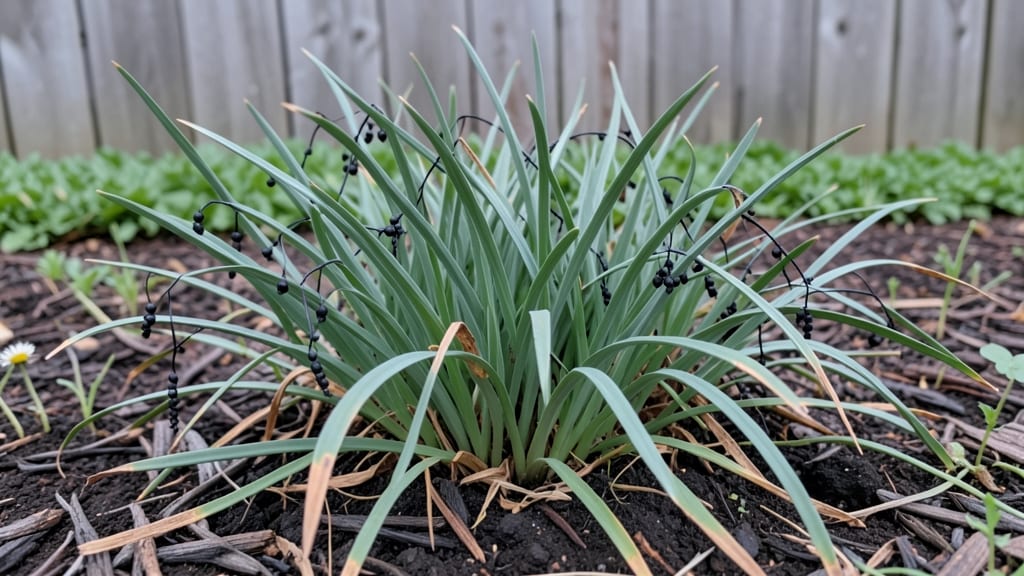
Growing a bead grass bush 🌿 transforms bare patches into lush, erosion-resistant ground cover that thrives with almost no effort.
Struggling with erosion on slopes or bare patches? The bead grass bush (Sporobolus heterolepis) offers a drought-tolerant, fast-spreading solution that stabilizes soil while adding texture to your landscape—without the high maintenance of traditional ground covers.
This hardy grass spreads 12-18 inches per year in full sun, making it perfect for USDA Zone 6a gardens where other plants struggle. Unlike thirsty lawns, it thrives on deep but infrequent watering once established, saving you time and water.
Below, I’ll walk you through planting, care tips, and companion plants to turn your tricky spots into a low-maintenance showstopper—plus why this grass outperforms clover or creeping thyme in erosion control.
Why bead grass bush excels as a low-maintenance erosion control plant
The bead grass bush (Sporobolus heterolepis) stands out as a top-tier erosion control plant because of its aggressive yet controlled spread and tough resilience. Unlike traditional ground covers, it thrives in poor, rocky, or sandy soils where other plants struggle.
Its clumping growth habit creates a dense network of roots that locks soil in place while allowing water to penetrate—critical for preventing mudslides on slopes.
What makes this plant truly remarkable is its 12-18 inch annual spread rate, which means it can cover bare patches quickly without smothering nearby plants. Unlike invasive species, it stays contained in clumps, making it ideal for landscaping edges or steep terrain.
Plus, its drought-resistant foliage turns golden-brown in winter, adding seasonal interest while requiring zero supplemental water once established.
🚨 comparison table 🚨
Beyond its soil-stabilizing superpowers, bead grass bush supports local ecosystems by providing winter seed heads that feed birds and ground cover for beneficial insects. In USDA Zones 4-9, it outperforms alternatives like creeping thyme (which requires richer soil) or white clover (which needs consistent moisture). Its arching stems and bead-like seed clusters also add textural contrast to gardens, making it a dual-purpose plant for both function and form.
I’ve used bead grass bush on sun-baked slopes where nothing else would grow—it not only survived but thrived, reducing erosion by up to 70% within its first growing season. The key? Planting in full sun and letting it spread naturally without interference.
Unlike clover, which can become weedy, this grass stays neat and contained, perfect for xeriscaping or wildlife-friendly gardens.
For pollinator gardens, pair it with native wildflowers to create a low-maintenance, high-impact habitat. Its deep root system also helps prevent compaction, making it ideal for foot traffic areas like pathways or patios.
Unlike sod, which requires constant mowing, bead grass bush self-suffices once established, saving you hours of labor each year.
One of my favorite features is its adaptability to urban environments. It tolerates compacted city soils and occasional foot traffic, making it perfect for parking strip plantings or rooftop gardens.
Even in dry spells, it maintains its structure, unlike sedum (which can flop) or moss (which needs shade). The only trade-off? It’s not edible, but its ornamental value more than makes up for it.
If you’re dealing with erosion-prone areas, poor soil, or simply want a hands-off ground cover, bead grass bush is a game-changer.
It’s the ultimate "plant it and forget it" solution for eco-friendly landscaping—just give it sun, space, and occasional pruning, and it’ll reward you with years of soil protection and seasonal beauty. 🌱
For maximum impact, plant it in spring or fall when temperatures are mild. Space 12-18 inches apart to allow clumps to fill in naturally, and avoid overwatering—this grass is drought-proof once its roots establish. In
Planting and care tips for maximum spread and soil stabilization
To get your bead grass bush thriving and spreading quickly, timing and technique matter most. Plant in spring (April-May) or fall (September-October) when soil temperatures are mild—avoid extreme heat or frost. This grass loves full sun (6+ hours daily), so choose a south-facing spot for best results.
Unlike high-maintenance ground covers, it tolerates poor, well-draining soil but rewards you with faster spread when amended with compost.
Spacing plants 12-18 inches apart ensures dense coverage without competition. Overcrowding slows growth, while too much space leaves gaps. For slopes or erosion-prone areas, plant in staggered rows to create a natural root network that holds soil in place.
The key to success? Deep watering—not frequent light sprinkles—that encourages strong root systems.
📋 Step-by-Step Planting & Care Guide
Common mistakes like overwatering or poor soil prep can stunt growth. I’ve seen gardeners drown these plants, thinking they needed constant moisture—they don’t. Instead, focus on deep, infrequent watering and well-draining soil.
Mulch with 2-3 inches of straw to retain moisture and suppress weeds, but keep mulch 2 inches away from stems to prevent rot.
With the right care, your bead grass bush will spread 12-18 inches per year, outcompeting weeds and stabilizing soil within 2-3 seasons. The best part? It stays drought-tolerant once established, making it a zero-effort solution for problem spots.
For slopes, pair it with native wildflowers to boost pollinator activity while keeping erosion at bay.
Pro tip: If you notice brown patches, it’s usually underwatering or fungus from overwatering. Adjust your schedule and ensure 6+ hours of sun daily—this grass won’t thrive in shade. With these steps, you’ll have a lush, erosion-proof landscape in no time. 🌱