
Lawn
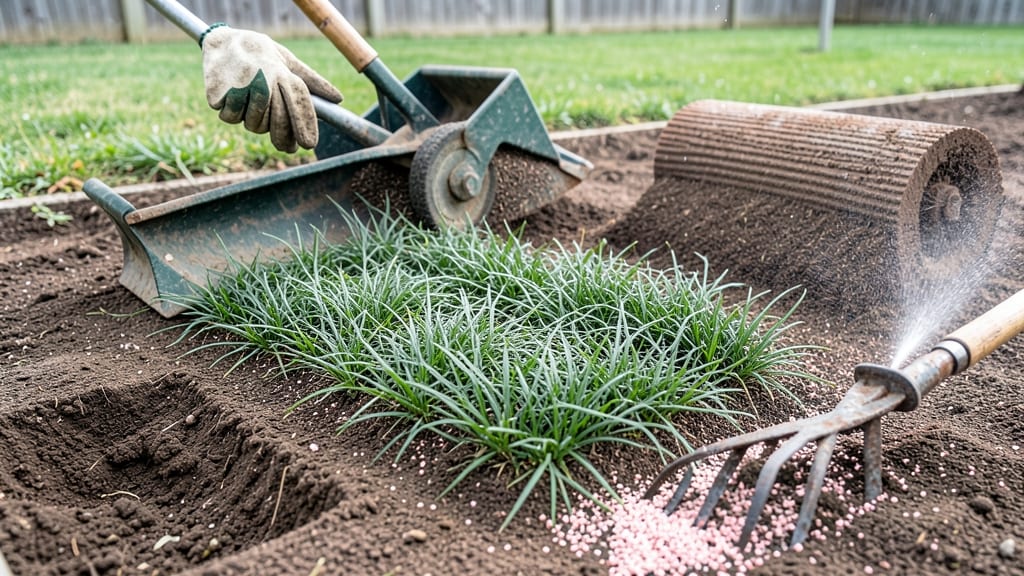
Planting a lawn from scratch transforms bare soil into a vibrant green carpet—if you do it right. 🌱 I’ve watched patches of dirt turn into lush, playable spaces after just a few weeks, and it all starts with the right prep.
The secret isn’t expensive tools or rare seeds; it’s getting the soil, seed, and watering routine just perfect from the beginning. Most people rush the soil prep, but taking the time to loosen compacted earth and level the ground makes all the difference.
You’ll need basic tools—a rake, a roller, and a spreader—but the real game-changer is choosing the right grass type for your climate. Cool-season grasses like Kentucky bluegrass thrive in northern zones, while warm-season Bermuda grass dominates the South.
By week 6, you’ll have a thick, uniform lawn that resists weeds and holds up to foot traffic. The key is consistency: watering deeply twice a day for the first two weeks, then tapering off as roots establish.
Skipping this step leads to patchy growth or bare spots that take months to fix. Whether you’re fixing a small yard or a large open space, this method works for both beginners and seasoned gardeners. Let’s get that green dream started right—no more dirt, just grass.
📚 In This Guide
- What you need
- Instructions
- Tips and common mistakes
- Wrapping up and next steps
What you need
- ● Topsoil: 2–4 inches per square foot (check local soil quality; amending with compost may be needed).
- ● Seed: Choose high-quality grass seed suited to your climate (e.g., Kentucky Bluegrass, Bermuda, or Fescue). Aim for 8–12 lbs per 1,000 sq ft.
- ● Lawn fertilizer: Slow-release, high-nitrogen starter fertilizer (e.g., 20-5-10 ratio). Apply 1 lb of nitrogen per 1,000 sq ft.
- ● Soil conditioner: Gypsum or lime (if your soil is acidic or compacted; test soil pH first).
- ● Rake: Bow rake (for leveling soil) and garden rake (for smoothing seed).
- ● Lawn roller: 100–150 lb (to press seed into soil).
- ● Hose & sprinkler: Mist nozzle for gentle watering (or a soaker hose for even coverage).
- ○ Twine & stakes: For marking rows (optional but helpful for large areas).
- ● Soil test kit: ($10–$20) to check pH and nutrient levels before planting.
- ● Weed barrier fabric: If your area has persistent weeds or invasive grasses.
- ● Epsom salt: (1 tbsp per sq ft) for magnesium boost in clay-heavy soil.
- ● Lawn starter mat: Biodegradable netting to hold seed in place (great for slopes or windy areas).
- ● Knee pads: Because comfort matters when you’re on your hands and knees! 😉
Step-by-Step instructions for planting a lawn from scratch
Here's how to transform bare soil into a vibrant, healthy lawn that stays thick and green.
🌱 Step 1: Clear and Prepare the Soil
Start by removing any existing vegetation, rocks, or debris from the area. I use a sod cutter or shovel to dig up weeds and roots—don’t leave anything behind, or it’ll compete with your new grass. Once cleared, till the soil to a depth of 6 inches to loosen it. This helps roots penetrate easily and prevents compaction.
Test your soil’s pH with a kit—ideal lawn grass thrives in 6.0 to 7.0. If your soil is too acidic or alkaline, add lime or sulfur as needed. Spread a 2-inch layer of compost over the tilled area and mix it in. This enriches the soil with nutrients and improves drainage, giving your grass a strong start.
🪴 Step 2: Level the Ground and Add Topsoil
Use a rake to smooth out the soil, ensuring there are no low spots where water will pool or high spots that could cause uneven growth. Walk over the area to check for dips or bumps—your lawn should feel flat and even. If needed, add or remove soil to achieve a level surface.
Spread 2 to 4 inches of topsoil evenly over the area, depending on how compacted your original soil was. Topsoil provides the ideal growing medium for grass seeds. Rake it lightly to break up clumps and create a fine, crumbly texture. This step is crucial—uneven soil leads to patchy lawns later.
☀️ Step 3: Choose and Spread Grass Seed
Select a grass seed mix suited to your climate and sunlight conditions. Cool-season grasses like Kentucky bluegrass or fescue work well in northern regions, while Bermuda or Zoysia thrive in southern heat. Spread the seed evenly using a broadcast spreader or by hand—aim for 8 to 12 pounds per 1,000 square feet, following the package instructions.
Lightly rake the seed into the soil with a stiff-bristled rake, pressing it just enough to ensure good soil contact. This helps seeds stay in place and makes germination easier. Avoid burying the seed too deep—most grasses need light to sprout, so keep the depth at ¼ inch or less.
💧 Step 4: Water Consistently for Germination
Water the seeded area immediately after planting, keeping the soil moist but not soggy. Use a sprinkler to apply ¼ inch of water daily for the first 2 weeks. The goal is to keep the top 1 to 2 inches of soil damp—you’ll know it’s right when water runs out the bottom of the sprinkler head without pooling.
Once the grass reaches 2 to 3 inches tall, gradually reduce watering to 1 inch per week, including rainfall. Overwatering can wash away seeds or cause disease, while underwatering leads to sparse growth. Consistency is key—stick to a schedule until the lawn is fully established.
✂️ Step 5: Maintain and Care for New Growth
Wait until the grass reaches 3 to 4 inches tall before mowing for the first time. Set your mower blade to 3 inches—taller grass shades out weeds and develops deeper roots. Never remove more than ⅓ of the grass blade at once, or you’ll stress the young plants.
Fertilize the lawn 4 to 6 weeks after planting with a starter fertilizer to encourage root growth. Follow up with a slow-release fertilizer in 3 to 4 months. Avoid heavy foot traffic for at least 3 months to let the roots strengthen. With patience and care, your lawn will fill in beautifully and stay lush for years.
Tips & tricks for perfect lawn planting
Here's what I learned after planting three lawns from scratch—don't make my mistakes!
Soil Prep is Everything: In Step 1, when you're tilling that 6-inch depth, don't rush it. Take your time to break up any large clumps—this prevents future compaction that can strangle your grass roots. I learned this the hard way when my first lawn had patchy growth because of uneven soil. A rototiller makes this job much easier, but a sturdy shovel works too if you're patient.
Leveling Hacks: For Step 2, here's a trick I picked up: after raking, walk across the area in your work boots. Any spots that feel uneven will press into the soil—those are your trouble areas. Fill dips with extra topsoil and scrape off high spots. This ensures water drains properly and your mower won't bump over uneven terrain later.
Seed Spread Strategy: When you're spreading that 8-12 pounds of seed per 1,000 square feet in Step 3, work in two directions—first lengthwise, then crosswise. This prevents streaks and ensures even coverage. I also recommend spreading a thin layer of straw (about ¼ inch) after planting to protect seeds from birds and wind while they germinate.
Watering Wisdom: That ¼ inch of water daily for the first 2 weeks in Step 4 is crucial, but timing matters too. Water in the early morning so the grass has all day to dry out, preventing fungal diseases. Use a rain gauge to measure—most sprinklers overestimate! And never let the soil dry out completely during germination, or you'll lose seeds.
Pro Tips for Planting A Lawn From Scratch
- Here's what I learned after planting three lawns from scratch—don't make my mistakes!
- Soil Prep is Everything: In Step 1, when you're tilling that 6-inch depth, don't rush it.
- Leveling Hacks: For Step 2, here's a trick I picked up: after raking, walk across the area in your work boots.
Frequently asked questions
Got questions about transforming your bare yard into a vibrant lawn? Here are answers to the most common concerns—so you can tackle the project with confidence!
When is the best time to plant a lawn from scratch?
The ideal window is early spring or early fall when temperatures are mild (50–75°F). Avoid extreme heat or cold—seedlings struggle in either. If you must plant in summer, water deeply twice daily to prevent drying. Cool-season grasses (like Kentucky bluegrass) thrive in spring/fall, while warm-season grasses (like Bermuda) prefer summer planting.
How long does it take for a new lawn to fully establish?
Most lawns take 4–6 weeks to germinate and 3–6 months to fully root, depending on grass type, climate, and care. Avoid heavy foot traffic for at least 4 weeks. Pro tip: Mow high (3–4 inches) during establishment to encourage deep roots and shade out weeds!
Can I save money by skipping sod and using seed instead?
Seed is 30–50% cheaper than sod and gives you more variety. However, it requires more time and effort—weeding, consistent watering, and patience. Sod offers instant gratification but costs more upfront. For large areas, seed is the budget-friendly winner; for small patches, sod speeds up results.
What should I do if weeds pop up in my new lawn?
Weeds are normal early on! Prevent them with a pre-emergent herbicide (applied after seeding) and keep your lawn thick. For existing weeds, hand-pull them or spot-treat with post-emergent herbicide (like vinegar for organic control). Key rule: Never use herbicides on newly seeded areas—they’ll kill your grass too!
How often should I water a new lawn?
Water lightly 2–3 times daily (morning, noon, evening) for the first 2 weeks to keep soil moist but not soggy. After germination, water deeply 1–2 times per week (1 inch total). Use a sprinkler timer for consistency. Watch for: Wilting grass or dry soil 1–2 inches deep—adjust as needed!
Wrapping up and next steps
Planting a lawn from scratch is a rewarding project that transforms your outdoor space into a vibrant, functional retreat—and you’ve got this! 🌱 With the right prep, quality grass seed or sod, and consistent care, your dream green carpet will take root and thrive.
Start small if needed, but remember: every expert gardener began with their first patch of grass!
Your next step? Grab your tools, mark your calendar for follow-up watering, and enjoy the process. Before you know it, you’ll be the neighbor with the envy-worthy lawn! 🌟