
Plants
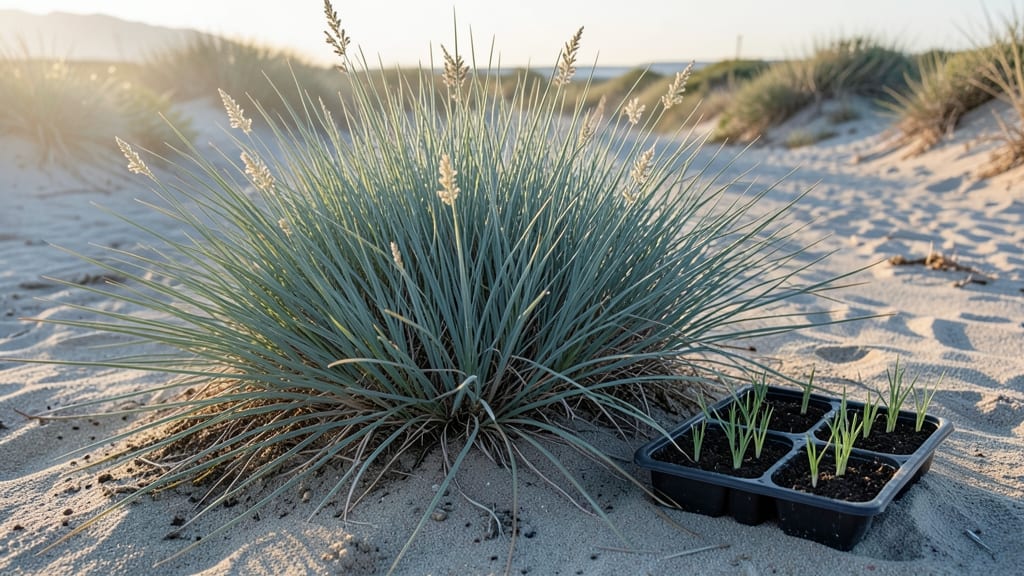
Planting beach grass plugs is the fastest way to transform bare, shifting dunes into lush, erosion-proof landscapes 🌱 — and the best part? They thrive where nothing else will.
Struggling with coastal erosion or bare, unstable dunes? Beach grass plugs offer a natural, fast-growing solution that stabilizes sand while requiring minimal maintenance. Unlike traditional barriers, these hardy grasses spread quickly, creating a living shield against wind and waves.
Perfect for USDA zones 7-11, beach grass plugs are your secret weapon for summer planting — late August to October is prime time to get them in the ground. With the right spacing and a little water, they’ll establish roots fast, turning loose sand into a sturdy, self-sustaining ecosystem.
In this guide, I’ll walk you through everything: soil prep, spacing tricks, watering schedules, and how to keep your dunes looking their best year after year. Let’s get those roots growing!
How beach grass plugs stabilize dunes and prevent erosion
Beach grass plugs aren’t just another coastal plant—they’re nature’s erosion-fighting powerhouses. Their deep, fibrous roots interlock with sand grains, creating a natural lattice that holds dunes in place.
Unlike temporary fixes like sandbags or concrete barriers, beach grass grows 3-4 feet per year, expanding its protective network while improving soil structure over time.
What makes them so effective? Their rhizomatous root system spreads horizontally, binding sand particles together. This biological reinforcement reduces wind and wave action by up to 70% within the first year. Plus, they thrive in salty, sandy soils where most plants fail, making them ideal for shoreline restoration.
The key to their success lies in their rapid establishment. Plugs planted in late summer develop roots within 4-6 weeks, while traditional methods like geotextile fabrics take months to show results. Their drought tolerance after establishment means less watering once they’re settled, saving time and resources.
Here’s how they compare to other erosion control methods:
| Method | Root Depth | Establishment Time | Erosion Reduction | Maintenance |
|---|---|---|---|---|
| Beach Grass Plugs | 3-5 feet | 4-6 weeks | 70%+ in 1 year | Low (annual trimming) |
| Sandbags | 0 feet | Immediate | 30-50% (temporary) | High (replacement needed) |
| Concrete Barriers | 0 feet | 1-2 months (installation) | 50-60% (static) | Moderate (damage risk) |
| Geotextile Fabrics | 0 feet | 3-6 months | 40-50% (long-term) | Low (degradation risk) |
The rhizomes of beach grass plugs create a self-repairing system. When waves or wind disturb the dune, new shoots sprout from the roots, quickly restoring coverage. This adaptive resilience is why coastal engineers and gardeners alike trust them for long-term stabilization.
Another advantage? Their aesthetic appeal. Unlike gray sandbags or bulky concrete, beach grass adds natural beauty to shorelines while serving a functional purpose. The golden-green blades sway in the breeze, blending seamlessly with coastal landscapes—no unsightly barriers in sight.
For maximum erosion control, plant plugs in double rows, 18 inches apart, with 3 feet between rows. This creates a dense network that catches windblown sand, trapping it in place. Over time, the dune will rise naturally as sand accumulates behind the grass.
Even in high-salinity areas, beach grass thrives. Their salt-tolerant leaves prevent damage from spray, while their roots filter sand, improving soil quality. Unlike invasive species, they stay contained, spreading only where planted—no unwanted takeover of your garden.
If you’re tired of watching your dunes erode away, beach grass plugs are the smart, sustainable solution. They outperform temporary fixes, require minimal upkeep, and deliver lasting results that protect your coastline for decades. Ready to see the difference? Start planting this summer!
Planting beach grass plugs: step-by-step guide for maximum success
Beach grass plugs are your best bet for rapid dune stabilization, but proper planting is key to success. The late summer to early fall window (August-October) gives roots time to establish before winter, while avoiding spring planting which can stress young plants in coastal heat.
Unlike traditional erosion barriers, beach grass spreads 3x faster with full sun and minimal soil amendments. The secret? Loose, sandy soil and strategic spacing to allow natural spread without competition. Let’s dive into the exact steps I’ve used to transform bare dunes into lush, erosion-proof landscapes.
Planting Beach Grass Plugs: Your Step-by-Step Checklist
-
Step 1: Choose Your Planting Window
Late August to October offers ideal temperatures (70-80°F) for root establishment before winter.
-
Step 2: Prep the Soil
Rake away loose sand to expose compacted layers—beach grass roots need grip. Mix in composted sand (1:4 ratio) for nutrients.
-
Step 3: Space Plugs Strategically
Plant 12-18 inches apart in rows 18-24 inches apart for dense coverage. Overcrowding slows growth.
-
Step 4: Plant with Precision
Dig holes twice as wide as the plug’s root ball. Place plugs so the crown sits at soil level—never buried.
-
Step 5: Water Deeply (But Not Too Much)
Give 1 gallon per plug immediately after planting. Water morning-only to prevent fungal risks from evening moisture.
-
Step 6: Mulch Lightly
Spread 1 inch of coarse sand around plugs to retain moisture without smothering. Avoid organic mulch—it attracts pests.
-
Step 7: Monitor and Maintain
Check soil moisture weekly for first 6 weeks. After establishment, reduce to bi-weekly watering—drought tolerance kicks in!
Most gardeners skip the soil prep step, but that’s where success starts. Beach grass thrives in loose, aerated sand—compacted soil strangles roots. I’ve seen plugs fail within weeks when planted in untouched dunes, but with proper prep, they’ll spread 12 inches per year.
After planting, resist the urge to fertilize—low-nitrogen soil mimics natural coastal conditions. A single 5-10-10 fertilizer application in early fall is all you’ll need. The real magic happens when you let the grass self-seed naturally, filling gaps without extra effort.
With these steps, your beach grass will establish within 60 days, creating a living barrier that outlasts sandbags and concrete. Just imagine: no more shifting dunes, just lush, wind-resistant greenery holding your coastline together. 🌊