
Plants
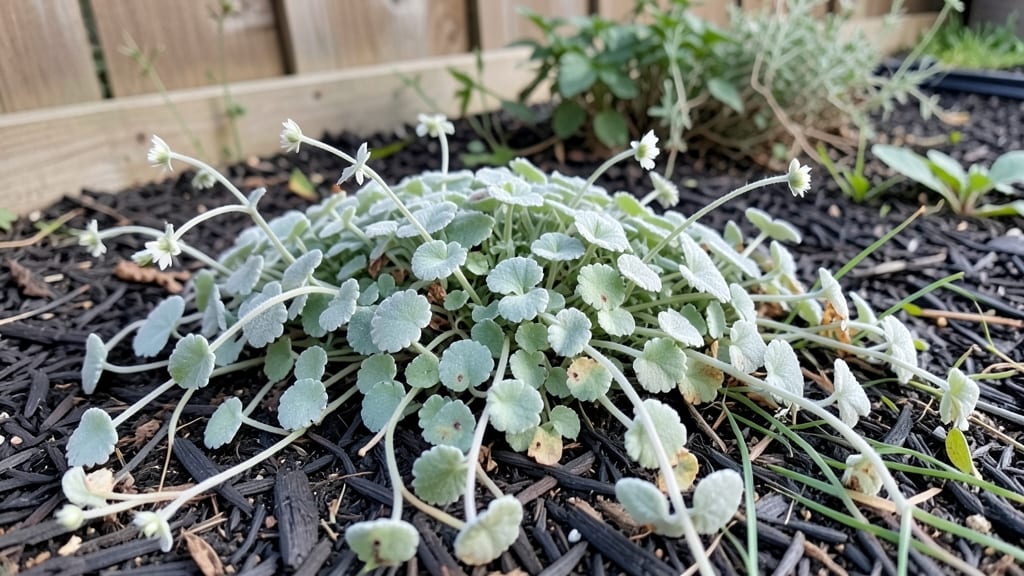
Aztec grass care is all about embracing its low-maintenance charm while unlocking its silvery-green ground cover magic. I’ve grown this drought-resistant beauty for years, and it thrives where other plants struggle—spilling over containers, smothering weeds, and staying lush even when I forget to water.
The secret lies in its adaptability: it handles heat, shade, and poor soil better than most ground covers.
You’ll need well-draining soil—sandy or loamy works best—and a spot with partial shade to full sun, depending on your climate. Watering is simple: keep the soil lightly moist for the first month, then let it dry slightly between waterings.
Once established, it’s nearly indestructible, surviving on rain alone in many regions. Prune it back in early spring to encourage dense growth, and watch it bounce back faster than any other ground cover I’ve tried.
What you’ll love most is how it transforms bare spots into velvety silver carpets, perfect for under trees, along walkways, or cascading from hanging baskets. The fine texture makes it ideal for ornamental gardens, and its pest resistance means fewer headaches than traditional lawns.
Just be patient—it spreads slowly at first but rewards you with years of effortless beauty.
For those worried about pests, Aztec grass rarely attracts them, though slugs might nibble young shoots. A quick handpick or beer trap solves that. Propagating is easy too: simply divide mature plants in spring or let stems root in water.
Once you’ve mastered its care, you’ll wonder why you didn’t try it sooner—it’s the lazy gardener’s dream.
📚 In This Guide
- What you need
- Instructions
- Tips and common mistakes
- Wrapping up and next steps
What you need
- ● Seeds or nursery plants: 1–2 lbs of Dichondra argentea (Aztec grass) seeds or 6–12 healthy nursery plants (spaced 12–18 inches apart for full coverage)
- ● Soil preparation: Well-draining potting mix or garden soil amended with: 2–3 inches of compost
- ● 1 cup perlite or sand (per 5 sq ft) for aeration
- ● pH test kit (ideal range: 6.0–7.0)
- ● Planting & maintenance tools: Garden trowel or transplanting spade
- ● Hand pruners (sharp, sterilized)
- ● Watering can or hose with a gentle spray nozzle
- ● Mulch (straw, pine needles, or shredded bark, 1–2 inches thick)
- ○ Fertilizer (optional but helpful): Balanced, slow-release fertilizer (10-10-10 or 20-20-20, ½ cup per 10 sq ft)
- ● Organic options: Fish emulsion or worm castings
- ● Epsom salt (1 tbsp per gallon of water, for magnesium boosts)
- ● Plant markers (to track varieties if mixing with other ground covers)
- ● Weed barrier fabric (to suppress weeds in early growth stages)
- ● Garden gloves (for comfort during soil prep or pruning)
- ● Spray bottle (for misting seedlings in hot/dry climates)
Step-by-Step guide for planting and maintaining Aztec grass
Here’s how to establish lush, low-maintenance Aztec grass that thrives through all seasons.
Choose the Perfect Planting Location
Aztec grass loves sun and tolerates heat, but it’s not picky about soil—just avoid soggy spots. I always pick a site with at least 6 hours of direct sunlight daily, though it handles partial shade better than most ground covers. Test the soil by squeezing a handful—if it crumbles easily, it’s ready. If it sticks together, mix in 2 inches of compost to improve drainage.
Spread the planting area evenly, keeping 12 inches between plants for mature spread. The first year, you’ll see slow growth, but by year two, it’ll fill in like a dense carpet. Avoid planting near structures with shallow roots—this grass spreads aggressively and can crowd out neighbors.
Plant Aztec Grass Correctly for Fast Establishment
Dig holes twice as wide as the root ball but only as deep as the container. Gently remove the plant from its pot and loosen tangled roots with your fingers. Place it in the hole so the top of the root ball sits just below soil level—burying too deep suffocates the plant, while planting too high leaves it vulnerable to drought.
Backfill with native soil (no need for amendments unless your soil is extremely poor) and tamp lightly to remove air pockets. Water deeply right after planting—1 gallon per plant—until moisture seeps 6 inches down. You’ll know it’s right when the soil looks dark and damp but not soggy. Mulch with 1 inch of shredded bark to retain moisture and suppress weeds.
Water Consistently Until Established
Keep the soil evenly moist but never waterlogged for the first 4-6 weeks after planting. Aztec grass has shallow roots initially, so let the top 2 inches of soil dry out between waterings. Overwatering causes root rot, while underwatering leads to crispy edges. I set a reminder to check soil moisture every 2-3 days—stick your finger in; if it feels dry past your first knuckle, it’s time to water.
Once established (after 8-12 weeks), reduce watering to once a week unless your area experiences extreme heat or drought. The grass will tell you when it’s happy—vibrant green leaves mean you’re nailing it. Yellowing or wilting signals either too much or too little water.
Maintain for Year-Round Beauty
Aztec grass is nearly maintenance-free, but a light trim in early spring keeps it tidy. Use sharp shears to cut back any dead growth to 2 inches above the soil line. This encourages fresh, vigorous regrowth without stressing the plant. Avoid heavy pruning—this grass recovers quickly but doesn’t bounce back from drastic cuts.
Fertilize once a year in early spring with a balanced 10-10-10 formula, using ½ pound per 100 square feet. Spread it evenly and water deeply to activate the nutrients. Skip fertilizer if your soil is rich—too much can cause leaf burn or excessive growth that weakens the plant.
Prevent Common Problems Proactively
Watch for spider mites in hot, dry weather—they love the dusty leaves. I spray affected areas with neem oil (mix 1 tablespoon per gallon of water) and repeat weekly until the pests vanish. For fungal issues like powdery mildew, improve airflow by thinning crowded patches and avoid overhead watering.
If your Aztec grass looks sparse after winter, it’s just dormant. Wait until new growth appears in early spring before worrying. Overwintering is easy—just leave the mulch in place to insulate roots. This grass handles frost like a champ, so don’t rush to cover it unless temperatures drop below 20°F.
Tips & tricks for perfect Aztec grass care
A few simple tricks will help your Aztec grass establish strong roots and stay vibrant year-round.
The Sunlight Factor: While Aztec grass thrives with at least 6 hours of sunlight, I've found that morning sun plus afternoon shade works beautifully in hot climates. The key is avoiding the harshest afternoon rays during summer months—this prevents leaf scorch while still giving enough light for photosynthesis. If you're planting in a shadier spot, expect slightly slower growth but still reliable coverage.
Planting Depth Matters: Getting the planting depth right in Step 2 makes all the difference. The top of the root ball should sit just below soil level, but don't bury it too deep—this can suffocate new roots. I like to use a small stick as a reference marker when planting multiple sections to ensure consistent depth. For container-grown plants, gently squeeze the root ball to check if it's ready for planting—it should hold together but still be loose enough to remove easily.
Watering Wisdom: Those first 4-6 weeks after planting are critical for root establishment. I've learned the hard way that skipping the 2-3 day moisture check can lead to crispy edges. Use a moisture meter or your finger as your guide—when the top 2 inches feel dry, it's time to water. For larger plantings, consider installing a simple drip irrigation system to maintain consistent moisture without overwatering.
Winter Protection Strategy: While Aztec grass handles most frost well, temperatures below 20°F can cause damage. I've found that adding an extra 2 inches of mulch around plants in late fall provides excellent insulation. For extreme cold snaps, you can also drape frost cloth over the plants—just make sure to remove it during the day to prevent overheating. This simple step has saved my plants during several harsh winters.
Pro Tips for Aztec Grass Care
- A few simple tricks will help your Aztec grass establish strong roots and stay vibrant year-round.
- The Sunlight Factor: While Aztec grass thrives with at least 6 hours of sunlight, I've found that morning sun plus afternoon shade works beautifully in hot climates.
- Planting Depth Matters: Getting the planting depth right in Step 2 makes all the difference.
Frequently asked questions
Got questions about keeping your Aztec grass lush and thriving?
You’re not alone! Here are answers to the most common concerns—from planting to troubleshooting—so you can enjoy this low-maintenance beauty without the guesswork.
How often should I water Aztec grass, and does it need much?
Aztec grass is drought-tolerant once established (after 2–3 months), but water it deeply 1–2 times per week during its first year to encourage strong root growth. After that, 1 inch of water every 10–14 days is usually enough—even in summer heat! Pro tip: Water in the early morning to reduce evaporation and fungal risks.
When is the best time to plant Aztec grass for year-round success?
Plant Aztec grass in early spring or early fall when soil temps are mild (60–75°F) and moisture is consistent. Avoid extreme heat or frost—it’s perennial but can struggle with transplant shock in harsh conditions. If planting in summer, water deeply daily for 2 weeks to help it establish.
Why is my Aztec grass turning brown or crispy at the edges?
Brown patches usually mean underwatering or overwatering. Check soil moisture 1 inch down—it should feel damp but not soggy. If edges are crispy, it’s often thirsty (water more frequently). For yellowing, it might be overwatering or poor drainage. Trim dead areas and adjust your watering schedule!
Can Aztec grass survive in full shade, or does it need sun?
Aztec grass thrives in full sun (6+ hours/day) but tolerates partial shade (3–6 hours). In deep shade (<3 hours), it may grow sparser and slower. If your yard is shady, pair it with low-competition ground covers like creeping thyme or moss for a lush combo.
What’s a good alternative if Aztec grass doesn’t grow well in my climate?
If your zone is too cold (below Zone 5) or too dry (arid deserts), try:
- Fescue grass (cold-hardy, low-maintenance)
- Sedum (stonecrop) (drought-proof, succulent-like)
- Clover (white Dutch clover) (nitrogen-fixing, shade-tolerant)
- Mondograss (similar texture, heat-resistant)
Wrapping up and next steps
Caring for Aztec grass is easier than you think—and the rewards are worth it! With its drought tolerance, vibrant color, and low-maintenance charm, this hardy ground cover will transform your space with minimal effort.
Whether you’re a seasoned gardener or just starting out, these tips will help you keep your Aztec grass thriving for years to come.
Ready to level up your landscape? 🌱 Start by grabbing your supplies, following the care steps, and watching your yard flourish. Next up: Plant your Aztec grass with confidence and enjoy the lush, green results!