
Lawn
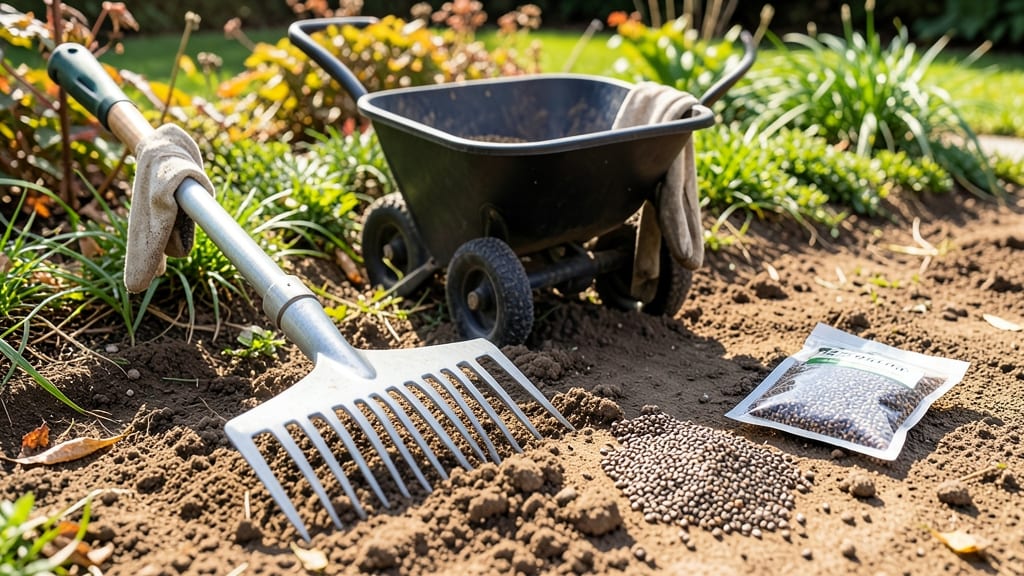
Autumn lawn seed is your secret weapon for a thick, green lawn before winter sets in. 🌱 I’ve seen firsthand how sowing in fall—when temperatures drop but soil stays warm—gives seeds the perfect head start. The right blend germinates in just 7-14 days, outpacing spring planting by weeks.
The key is timing: aim for 4-6 weeks before your first frost, when daytime temps hover around 60-70°F. Cool weather reduces weed competition, and moist soil helps roots establish deep before winter. Just don’t wait too late—seeds need time to grow before ground freezes.
You’ll end up with a lawn so dense and vibrant that neighbors will ask how you did it. The trick is prepping soil right (loosen, level, and test pH) and keeping seeds moist until germination. Even in partial shade, the right mix thrives.
Works for cool-season grasses like fescue and ryegrass—ideal for most of the U.S. outside the Deep South. Let’s get that lawn looking its best before winter arrives!
📚 In This Guide
- What you need
- Instructions
- Tips and common mistakes
- Wrapping up and next steps
What you need
- ● Autumn lawn seed blend: 10–20 lbs (per 1,000 sq. ft.), depending on your lawn’s condition and desired density. Choose a fast-germinating mix (like ryegrass or fescue blends) for quicker results.
- ● Lawn spreader: Broadcast spreader: For even coverage on large or irregularly shaped lawns.
- ● Drop spreader: Ideal for precision application on smaller areas.
- ● Soil tester kit: To check pH (aim for 6.0–7.0) and nutrient levels before seeding.
- ● Compost or organic fertilizer: 5–10 lbs (per 1,000 sq. ft.), with a high phosphorus content (P) to encourage root growth.
- ○ Lawn roller (optional but helpful): A 50–100 lb roller to press seed into the soil lightly.
- ● Water source: Hose with a gentle spray nozzle or a sprinkler system for consistent moisture.
- ● Garden rake or harrow: To loosen soil and create a fine seedbed.
- ● Starter fertilizer: A high-phosphorus, low-nitrogen blend to jumpstart germination.
- ● Erosion control blanket: For slopes or bare patches to protect seeds from wind/water.
- ● Lawn seed adhesive: A light spray to help seeds stick to soil (great for sandy or dry areas).
- ● Soil conditioner: Like peat moss or coconut coir to improve seed-to-soil contact.
- ● Gloves and knee pads: For comfort during prep and seeding.
Step-by-step guide to planting fast-germinating autumn lawn seed
Fall is the perfect time to transform a patchy lawn into a lush carpet—here's how to do it right.
🌱 Step 1: Prepare the Soil for Optimal Germination
Start by mowing the existing grass as short as possible—this creates space for new seeds to establish contact with the soil. I like to set my mower to its lowest setting and make two passes in perpendicular directions to ensure an even cut. After mowing, remove all clippings to prevent them from smothering the new seeds.
Next, aerate the lawn using a core aerator to create small holes about 2-3 inches deep. This step is critical—compacted soil blocks root growth and slows germination. Walk over the entire area with the aerator, overlapping passes slightly to ensure full coverage. You'll see plugs of soil pop up as you work; leave these on the lawn to break down naturally and return nutrients to the soil.
💧 Step 2: Spread Seed Evenly and Lightly
Divide your fast-germinating autumn seed blend into two equal portions. This two-step spreading method ensures even coverage without clumping. Start by walking in one direction and scattering the first half of the seed, then turn 90 degrees and repeat with the second half. I use a broadcast spreader set to the recommended setting for your specific seed blend to maintain consistency.
After spreading, lightly rake the area with a stiff-bristled lawn rake to gently press the seeds into the soil surface. The goal is to cover them with no more than ¼ inch of soil. This light coverage protects seeds from drying out while allowing sunlight to reach them for photosynthesis. Avoid over-raking—you want the seeds just barely tucked in, not buried.
☀️ Step 3: Maintain Consistent Moisture for Germination
Water the newly seeded area immediately after planting with a gentle sprinkler set to a fine mist. The soil should remain consistently moist but never soggy—think of it as keeping a damp sponge, not a dripping one. For the first 7-10 days, water lightly twice daily, early in the morning and late afternoon, to encourage quick germination without washing seeds away.
Once the seedlings reach about 1-2 inches tall, you can reduce watering to once daily. I always check the soil moisture by pressing my finger about ½ inch deep—if it feels dry, it's time to water. Avoid heavy watering that creates puddles, as this can dislodge seeds or cause disease. A light, frequent approach keeps the seeds happy and speeds up that vibrant green transformation.
✂️ Step 4: Protect and Maintain the New Lawn
Keep foot traffic to a minimum for at least 3-4 weeks to allow the new grass to establish strong roots. If pets or children must use the area, designate a specific path where the grass is already more established. Once the new grass reaches 3 inches tall, you can begin mowing—but never cut more than ⅓ of the blade height at a time to avoid stressing the young plants.
After the first mowing, apply a light layer of compost to nourish the soil and improve moisture retention. I like to use a spreader set to a low setting to distribute about ¼ pound per 100 square feet. This feeds the soil without overwhelming the young grass, promoting steady growth. In about 6-8 weeks, your autumn lawn seed should have transformed into a thick, vibrant carpet—just in time for winter's first frost.
Tips & tricks for perfect autumn lawn seed planting
Here's how to turn your fall lawn project from good to spectacular—these are the secrets I wish I'd known before my first attempt.
Soil Prep Matters: Don't skip the aeration step in Step 1! Compacted soil is the #1 enemy of fast germination. After aerating, I like to lightly scratch the surface with a garden fork to create even more micro-channels for seed-to-soil contact. This extra 5-minute step makes all the difference in even coverage and root establishment. The key is working the soil just enough to break up surface compaction without creating deep holes that could bury seeds too deeply.
Seed Spreading Technique: When dividing your seeds into two equal portions in Step 2, measure them out first rather than eyeballing. I use a kitchen scale to weigh each portion—this ensures perfect coverage without clumping. For larger lawns, consider using a drop spreader for even distribution, especially when working with windy conditions. The cross-direction method prevents thick patches where seeds overlap.
Watering Precision: Those first 7-10 days of twice-daily watering are critical for fast germination. I set a timer on my sprinkler for exactly 10 minutes in the morning and 10 minutes in the evening to maintain consistent moisture. Use a rain gauge to monitor your water output—you want about ¼ inch of water per session. The goal is to keep the top ½ inch of soil damp, not soaked. A light mist is better than heavy saturation at this stage.
Protective Measures: After planting, I cover the seeded area with a light straw mulch (about ¼ inch thick) to help retain moisture and protect seeds from birds. This is especially helpful in windy conditions. Just make sure to keep the mulch loose so it doesn't smother the seeds. For high-traffic areas, consider installing temporary wooden walkways to protect the new seedlings during the first 3-4 weeks.
Pro Tips for Autumn Lawn Seed
- Here's how to turn your fall lawn project from good to spectacular—these are the secrets I wish I'd known before my first attempt.
- Soil Prep Matters: Don't skip the aeration step in Step 1!
- Seed Spreading Technique: When dividing your seeds into two equal portions in Step 2, measure them out first rather than eyeballing.
Frequently asked questions
Got questions about planting autumn lawn seed?
You’re not alone! Here are answers to the most common concerns to help you achieve that lush, green lawn this fall.
When is the best time to plant autumn lawn seed?
For most regions, late summer to early fall (around September through October) is ideal. Cooler temps and frequent rain help seeds germinate faster. Avoid planting too early (heat stress) or too late (frost risks). Check your local USDA zone for precise timing!
How long does it take for autumn lawn seed to germinate?
Fast-growing blends like autumn lawn seed typically sprout in 7–21 days, depending on moisture and temperature. Keep soil consistently damp (not soggy) and expect visible growth within 2–3 weeks under optimal conditions. Patience pays off!
Do I need to water my lawn after planting autumn seed?
Absolutely!
Water lightly twice daily (morning/evening) for the first 2 weeks to keep soil moist. After germination, reduce to 1 inch per week. Use a sprinkler or gentle hose to avoid displacing seeds. Avoid overhead watering at night to prevent fungal risks.
Can I overseed an existing lawn with autumn seed?
Yes! Overseeding is perfect for thinning lawns. Mow short (1–1.5 inches), rake to loosen soil, and spread seed evenly. Lightly rake seeds into the top ¼ inch of soil for best contact. This boosts density and color—ideal for fall transitions!
What if my autumn lawn seed isn’t growing? Troubleshooting tips
Check these common issues:
Too dry? Increase watering frequency.
Too hot/cold? Adjust planting time or use shade cloth.
Birds eating seeds? Cover with netting temporarily.
Poor soil contact? Lightly rake seeds again.
If problems persist, test soil pH (ideal: 6.0–7.0) or consult a local nursery.Wrapping up and next steps
Transforming your lawn into a lush, vibrant carpet this autumn is totally within reach! With the right fast-germinating autumn lawn seed, proper prep, and a little patience, you’ll enjoy a stunning fall landscape that sets the stage for winter. Don’t wait—spring for action now!
Ready to take the next step? Order your seed blend today, mark your calendar for the ideal planting window, and get ready to watch your yard thrive. Your future self (and neighbors!) will thank you! 🌱✨