
Lawn
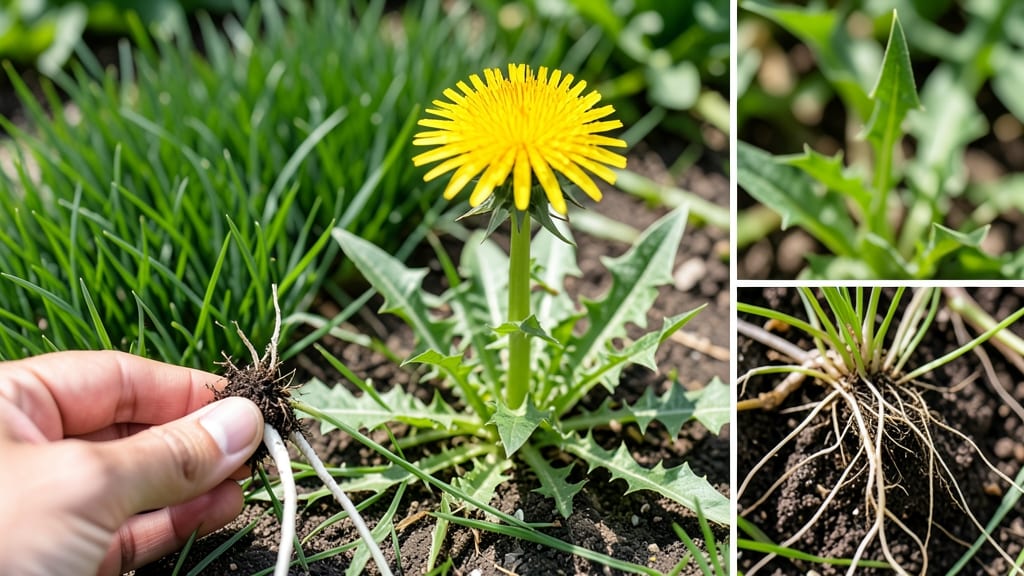
Yellow weeds popping up in your lawn? That's not just an eyesore—it's a sign your turf is fighting an invisible battle. 🌱 I've yanked enough dandelions and crabgrass to know the difference between a quick fix and a long-term solution, and this method tackles both.
The key is identifying which weeds you're dealing with first, because each one needs a slightly different approach to disappear for good.
Most yellow weeds in lawns fall into three categories: nutrient-hungry invaders like crabgrass, disease-stricken patches from overwatering, or weeds like dandelions that simply outcompete your grass. The good news?
You can spot the difference in under 30 minutes with just a few simple tools—a hand trowel, a magnifying glass (or your phone's camera), and a little knowledge about weed shapes.
I learned this the hard way after trying to pull dandelions by their roots only to find crabgrass hiding underneath—both need different treatments.
By the end of this, you'll have a weed-free lawn that stays green and healthy. The secret isn't brute force—it's understanding why those weeds took hold in the first place.
We'll cover organic removal methods that work fast, chemical options for stubborn patches, and preventive steps to keep your lawn thick enough to crowd out weeds naturally. No more yellow spots ruining your perfect green carpet.
Works for any lawn size, from small patches to full backyards. The same principles apply whether you're dealing with a few stubborn weeds or an all-out invasion. Let's get those yellow invaders out for good—without harming your grass in the process.
Root Causes Of Lawn Yellowing
If your lawn is turning yellow and overrun with weeds, the problem likely stems from one (or more) of these common causes. Understanding the science behind each will help you target the right fix—saving you time and frustration. Let’s dig into the real reasons your grass is struggling.
Yellow weeds often thrive because your lawn’s soil is lacking essential nutrients, or the pH is off-balance. Healthy grass competes aggressively for space, but when soil is depleted, weeds like dandelions or crabgrass seize the opportunity.
- Nitrogen Deficiency: Grass needs nitrogen (N) for vibrant green color. If your soil is nitrogen-poor, blades turn yellowish or pale, while weeds—with shallow roots—flourish instead. A quick soil test can confirm if your lawn is nitrogen-starved.
- Iron or Magnesium Shortages: Yellowing between leaf veins (a condition called chlorosis) often signals iron deficiency, while yellowing at the base of blades may indicate magnesium lack. Weeds like yellow nutsedge exploit these weak spots.
- Compacted or Poor-Draining Soil: Heavy foot traffic, clay soil, or poor aeration restrict root growth. Without strong grass roots, weeds take over. Compacted soil also traps moisture, creating ideal conditions for fungal weeds like nutgrass.
💡 Pro Tip: Test your soil’s pH (ideal: 6.0–7.0 for most grasses). If it’s too acidic (<5.5) or alkaline (>7.5), weeds like henbit or chickweed will dominate. Amend with lime (to raise pH) or sulfur (to lower it) as needed.
Watering too much—or at the wrong times—stresses grass roots and creates a haven for yellow weeds. Overwatered lawns develop shallow root systems, making grass vulnerable to drought and weed invasion.
- Frequent Light Watering: Grass needs deep, infrequent watering (1–1.5 inches per week) to encourage deep roots. Shallow watering keeps soil soggy, promoting weeds like moss or sedges that thrive in moisture.
- Poor Drainage: Low-lying areas or clay soil can trap water, leading to anaerobic (oxygen-deprived) conditions. Weeds such as yellow foxtail love these damp spots, while grass suffocates.
- Irrigation Timing: Watering late in the day leaves grass damp overnight, inviting fungal weeds. Early morning (5–9 AM) is ideal for evaporation and root health.
🔥 Action Step: Check for soggy patches after rain. If water pools for >24 hours, consider aerating or installing a French drain to improve drainage.
Grass is a sun-lover, but too much shade (or sudden shade changes) causes yellowing and weakens its defense against weeds. Yellow weeds like creeping Charlie or clover often invade shady or partially shaded lawns.
- Insufficient Sunlight: Most cool-season grasses need 4–6 hours of direct sun daily. Shade from trees or buildings forces grass into "survival mode," turning yellow and stunted—while shade-tolerant weeds take over.
- Sudden Shade Changes: Newly planted trees or construction can cast unexpected shade, shocking grass roots. Weeds like ground ivy capitalize on this stress.
- Heat Stress: Intense afternoon sun (especially in summer) can scorch grass, leaving yellow patches. Weeds like crabgrass move in quickly to fill the gaps.
🌡️ Solution: If your lawn is too shady, consider shade-tolerant grass like fine fescue. For heat stress, water deeply in the early morning to protect roots.
Hidden pests and lawn diseases weaken grass, creating openings for yellow weeds to spread. Common culprits include grubs, chinch bugs, and fungal infections like dollar spot.
- Grubs & Insects: Grubs (larvae of beetles) chew grass roots, causing yellow patches that pull up easily. Weeds like nutsedges thrive in these damaged areas.
- Chinch Bugs: These sap-sucking pests target warm-season grasses (like St. Augustine), leaving behind yellow, wilted patches. Weeds move in rapidly.
- Fungal Infections: Diseases like brown patch or powdery mildew create yellow or brown spots, weakening grass. Weeds like henbit exploit these weak zones.
🎯 Prevention Tip: Inspect your lawn for pests (lift a small patch of grass—if grubs are present, treat with beneficial nematodes or insecticide). For fungi, improve airflow with proper mowing height (3–4 inches) and avoid overwatering.
Now that you know why yellow weeds are taking over, the next step is how to erase them fast. Stay tuned!
Quick Fixes for Yellow Weeds
Yellow weeds in your lawn can be a frustrating sight, but the good news is that most of them are easy to eliminate with the right approach.
Below, we’ve mapped out targeted solutions based on the most common causes—so you can tackle the issue fast and keep your lawn looking lush. Each fix includes prevention tips to stop the problem before it starts.
Before grabbing tools or chemicals, pinpoint the culprit.
Yellow weeds often fall into these categories: - Dandelions & Clover (nutrient thieves, spreading fast) - Crabgrass & Chickweed (aggressive invaders, crowd out grass) - Grass Diseases (fungal spots, brown patch, or dollar spot) - Environmental Stress (drought, poor drainage, or compacted soil)
Pro Tip: 💡 Grab a small shovel or weeding tool and dig up a few samples. If the roots are deep (like dandelions), you’ll need a different method than shallow weeds (like chickweed).
For small patches or isolated weeds, pulling them by hand is the fastest, safest method—no chemicals needed!
🔪 Step-by-Step Weeding Guide
- Wait for the Right Time ⏰
- Pull weeds after rain or when the soil is moist (they come out easier).
- Early morning is best—weeds are soft and less likely to snap off.
- Use the Right Tools 👨🍳
- Dandelions/Clover: A dandelion weeder (or a screwdriver) to dig deep roots.
- Chickweed/Crabgrass: A hand trowel or gloves for shallow weeds.
- Large patches: A weeding knife or hula hoe for efficiency.
- Pull, Don’t Snap 🌱
- Grab the weed at the base and wiggle it free—roots and all.
- For stubborn weeds, soak the area with vinegar (50/50 vinegar-water mix) 10 minutes before pulling.
- Dispose Properly 🗑️
- Bag and trash weeds (especially dandelions—they reseed fast).
- Compost only if the weeds are seed-free (like grass clippings).
Prevention Tip: ✨ Smother bare spots with cardboard + mulch to block sunlight and prevent regrowth.
If your "weeds" are actually stressed grass (not true weeds), the issue is likely drought, poor drainage, or compacted soil.
🌡️ Quick Soil Revival Steps
- Check Moisture Levels 💧
- Stick your finger 1-2 inches deep—if dry, water deeply (1 inch per week).
- Overwatering? Yellow patches could mean root rot—let the soil dry out before watering again.
- Aerate Compacted Soil 🏗️
- Rent a core aerator (or use a garden fork) to poke 3-4 inch holes every 3-6 inches.
- Top with compost (½ inch) and water to help grass recover.
- Adjust pH if Needed 📊
- Test soil pH with a DIY kit (available at garden centers).
- Too acidic (below 6.0)? Sprinkle lime and water.
- Too alkaline (above 7.5)? Use sulfur or peat moss.
Prevention Tip: 🌿 Mulch with grass clippings after mowing to retain moisture and improve soil over time.
If manual methods aren’t enough, selective herbicides or natural alternatives can help—but choose wisely!
🔥 Fast-Acting Solutions
| Weed Type | Best Fix | How to Apply | Prevention |
|---|---|---|---|
| Broadleaf Weeds (dandelions, clover) | 2,4-D Herbicide (selective) | Spray only on weeds, avoid grass. Reapply after rain. | Pre-emergent in early spring. |
| Grassy Weeds (crabgrass, nutsedge) | Dicamba + 2,4-D Mix | Apply when weeds are 3-6 inches tall. | Post-emergent in late summer. |
| Natural Option | Boiling Water or Vinegar (90% vinegar + 10% dish soap) | Spray directly on weeds (avoid grass). Reapply every 3-5 days. | Hand-pull new sprouts weekly. |
⚠️ Warning: Always read labels—some herbicides require protective gear and specific weather conditions (like no rain for 24-48 hours).
Pro Tip: 🌱 Corn gluten meal (applied in early spring) prevents weeds from germinating—non-toxic and great for organic lawns!
The best way to erase yellow weeds permanently? Stop them before they start.
- Mow High & Often 🌿
- Keep grass 3-4 inches tall—taller grass shades out weeds.
- Fertilize Smartly 💪
- Use a slow-release, balanced fertilizer (16-4-8 or 10-10-10).
- Avoid over-fertilizing—it can burn grass and invite weeds.
- Seed Bare Spots Fast 🌱
- Fill thin or dead patches with grass seed + starter fertilizer within 48 hours of noticing.
- Apply Pre-Emergent in Early Spring 🛡️
- Products like Scotts Halts Crabgrass create a barrier against weed seeds.
- Encourage Healthy Grass 🍎
- Aerate once a year (fall is best).
- Water deeply but infrequently (1-1.5 inches per week).
Final Pro Tip: ✨ Walk your lawn weekly—catching weeds early means less work later!
Ready to reclaim your lawn? Start with manual removal for small patches, then boost soil health to prevent future invasions. For stubborn weeds, targeted herbicides (or natural sprays) will do the trick—just follow the steps carefully! 🚀
Frequently asked questions
Why do some weeds turn yellow while others stay green?
Yellow weeds often signal stress or nutrient deficiencies in your soil. For example, dandelions may turn yellow due to phosphorus deficiency, while crabgrass stays green because it thrives in compacted soil. Check the weed's growth pattern—deep roots (like dandelions) indicate nutrient issues, while shallow roots (like chickweed) suggest moisture problems.
Can I use vinegar to kill yellow weeds without harming my grass?
Yes, but with caution! A 50/50 vinegar-water mix works best for spot treatments on weeds like clover or chickweed. Apply only on sunny days (vinegar burns leaves) and avoid spraying grass—it can damage blades. For stubborn patches, reapply every 3-5 days until weeds die.
How do I tell if yellow patches are weeds or dying grass?
Pull a small sample: weeds have deep taproots (like dandelions) or shallow fibrous roots (like crabgrass), while dying grass pulls up easily with no distinct root structure. Check for seed heads—weeds often produce flowers, while dead grass won't. If the patch feels spongy, it's likely fungal disease (like brown patch).
Will herbicides kill yellow weeds permanently?
Most herbicides provide short-term control (2-4 weeks), but weeds can return if soil conditions aren't fixed. For permanent results, combine treatment with soil testing (check pH/nutrients) and grass seeding to crowd out regrowth. Pre-emergent herbicides (like corn gluten meal) prevent new weeds from sprouting in spring.
What’s the fastest way to fix a lawn full of yellow weeds?
Start with manual removal (pull weeds after rain) for small patches, then aerate compacted soil and reseeds bare spots with grass seed. For large areas, apply a selective herbicide (like 2,4-D for broadleaf weeds) followed by fertilizer to strengthen grass. Repeat treatments every 2-3 weeks until weeds disappear.