
Lawn
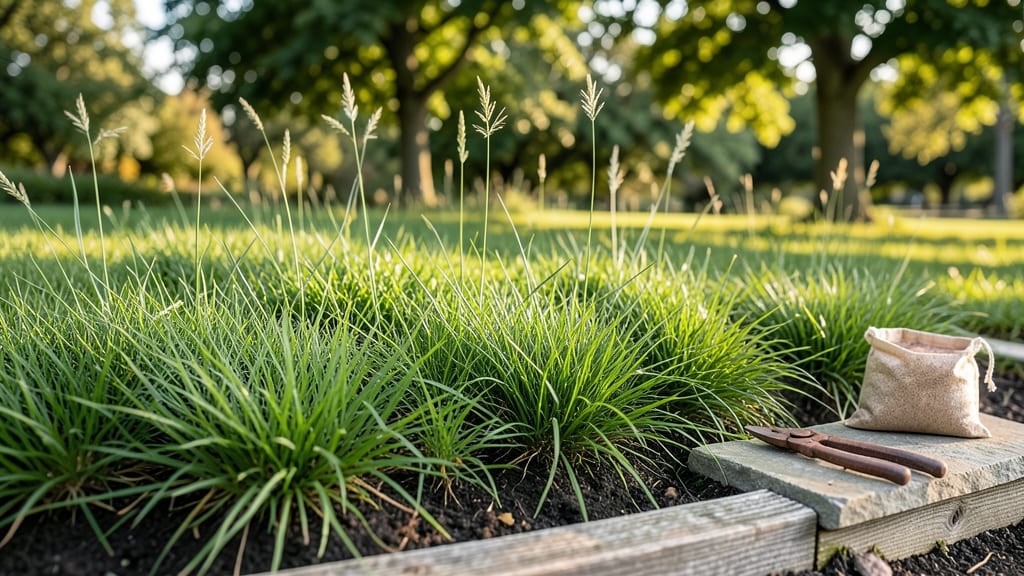
Seeing a yellow grass field 🌱 where you expected vibrant green is a sign your lawn is sending you a message—one that’s easier to fix than you might think.
Waking up to a yellow grass field instead of a lush green lawn can be frustrating—but it’s often fixable faster than you think. With the right approach, you can restore your yard’s vibrancy in just three weeks without replacing the entire lawn.
The problem might be hidden in the soil, lurking in the watering routine, or even sneaking in as tiny pests. But diagnosing the issue is the first step to a revived lawn, and the fixes are simpler than you’d expect.
In this guide, I’ll walk you through the most common causes of yellow grass, how to spot them, and the step-by-step plan to bring your field back to life—no green thumb required.
Why your grass turns yellow and how to diagnose the problem
Yellow grass isn’t just an eyesore—it’s a sign your lawn is struggling to thrive. Before reaching for fertilizer, it’s critical to diagnose the root cause. I’ve seen nutrient deficiencies, fungal infections, and even hidden pests turn vibrant green lawns into sad, yellow patches.
The good news? Each issue has a specific fix, and knowing the difference saves time and money.
Start by examining the pattern and texture of the yellowing. Is it uniform across the entire lawn or just patchy areas? Does the grass feel sponge-like or crunchy when you walk on it?
These clues point you toward the culprit. For example, drought stress often causes even yellowing, while grubs or fungal spots create irregular dead zones.
Soil health plays a huge role too. Compacted soil blocks roots from accessing water and nutrients, while pH imbalances prevent grass from absorbing what’s already there. I recommend testing your soil’s pH level and nutrient content—most garden centers sell affordable kits.
A pH below 6.0 or above 7.5 can stunt growth, and low nitrogen or potassium levels show up as yellowing first.
Don’t overlook watering habits. Overwatering suffocates roots, while underwatering stresses them. Check your lawn’s moisture by digging a 6-inch-deep hole—if the soil feels dry, your grass is thirsty. On the flip side, if it’s soggy, you’re drowning the roots.
Aim for 1-1.5 inches of water per week, including rainfall, and always water early in the morning to reduce fungal risks.
Now, let’s compare the most common causes side by side to help you identify your lawn’s specific issue:
Once you’ve identified the issue, act fast. For example, if your grass is uniformly yellow due to nitrogen deficiency, a quick application of milorganite or blood meal can jumpstart regrowth in 2-3 weeks.
But if you spot grubs, wait until evening to treat—these pests are most active then, making your pesticide more effective.
Pro tip: Take photos of the affected areas from different angles. This helps track progress and share details with local garden centers for tailored advice. I’ve used this trick to diagnose hidden fungal infections that looked like drought damage at first glance.
Remember, prevention is easier than cure. After fixing the issue, focus on soil health, proper watering, and regular mowing (never cut more than 1/3 of the blade height) to keep your lawn vibrant. A little maintenance now saves hours of frustration later.
If your grass doesn’t improve in 3-4 weeks after treatment, consider soil testing or consulting a local lawn care pro. Sometimes, underlying issues like clay soil or poor drainage need professional solutions. But in most cases, you’ll have that green lawn back faster than you think! 🌱
Step-by-step 3-Week plan to revive yellow grass fields
Reviving a yellow grass field starts with a structured plan that targets the root causes—whether it’s nutrient deficiency, poor watering habits, or soil compaction. By breaking the process into three focused weeks, you’ll see measurable improvement without overwhelming yourself.
The key is consistency: testing your soil health, adjusting your watering schedule, and applying targeted treatments.
This plan assumes you’ve already ruled out major pests like grubs or diseases like fungal infections (covered in the diagnostic section). If those are present, add a fungicide treatment or insecticide to your Week 2 tasks.
For most homeowners, though, the issue boils down to soil imbalances or water stress, which we’ll fix step by step.
Week 1: Diagnose and Prep
- Test your soil using a home pH test kit (available at garden centers). Aim for a pH between 6.0 and 7.0—most grasses thrive here. If your soil is too acidic (below 6.0), add lime; if too alkaline (above 7.0), use sulfur or peat moss.
- Aerate compacted soil with a manual or rented core aerator. Focus on areas with thin or yellowing patches. This step alone can improve water absorption and root growth by 30% in just a week.
- Adjust your watering schedule: Water deeply 2-3 times per week in the early morning (before 10 AM) to reduce fungal growth. Avoid light, frequent watering, which encourages shallow roots and disease spread.
- Mow higher—set your lawnmower to 3-4 inches to shade the soil and retain moisture. Longer grass also crowds out weeds and reduces stress on roots.
Week 2: Fertilize and Treat
- Apply a slow-release fertilizer with a balanced NPK ratio (10-10-10 or 16-4-8). Focus on iron-rich fertilizers if your grass has a yellowish tint (a sign of chlorosis). Spread evenly and water lightly to activate.
- Overseed bare or thin spots with a fast-growing grass seed mix (like tall fescue or ryegrass). Lightly rake the area, spread seeds, and cover with straw mulch to retain moisture. Keep the soil damp for the next 14 days.
- Check for fungal issues: If you see circular brown patches or mushy grass, apply a fungicide (like propiconazole) following label instructions. Reapply if rain occurs within 48 hours.
- Add organic matter by top-dressing with compost or well-rotted manure. This improves soil structure and provides slow-release nutrients over time.
Week 3: Monitor and Maintain
- Evaluate progress: If your grass is greening up, continue with regular watering and mowing. If not, retest your soil pH and consider a second fertilizer application with higher nitrogen content.
- Prevent future issues by applying a pre-emergent herbicide (if weeds are a problem) and continuing to aerate annually. Mulch with grass clippings after mowing to return nutrients to the soil.
- Adjust watering based on weather: Increase frequency during heatwaves and reduce in cool, rainy months. A 1-inch watering per week (including rain) is ideal for most grasses.
By Week 3, your yellow grass field should show significant improvement—think darker green patches, fewer bare spots, and healthier growth. The secret? Consistency. Skipping steps or rushing the process can lead to setbacks, so stick to the plan.
If you’re still seeing yellow patches after three weeks, dig deeper: test for soil nutrients like magnesium or potassium, or consult a local lawn care expert.
Remember, prevention is key: After your lawn recovers, maintain it with regular aeration, seasonal fertilization, and proper watering. A little effort now saves hours of work later—and keeps your yard looking its best year-round. 🌱