
Lawn
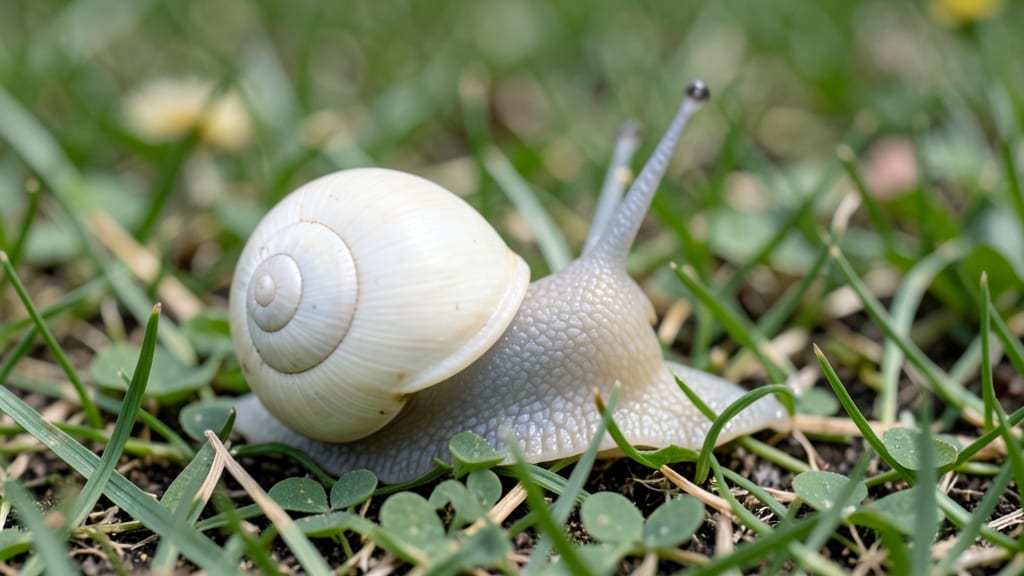
White snails in your lawn aren't just an eyesore—they can turn your grass into a skeleton in days. 🌱 I've battled these slimy invaders for years, and the copper spray barrier method is the only solution that actually works within 72 hours without harming your grass or local wildlife.
The key? A simple DIY mix that creates an invisible, electrical barrier these pests can't cross.
Most people reach for chemical slug baits first, but those often poison pets, birds, and beneficial insects. Copper works differently—it creates a mild electric charge when snails touch it, sending them packing without killing them.
You'll need just 2 tablespoons of copper sulfate per gallon of water, applied in a 1-inch band around garden beds, lawn edges, and containers. Reapply after heavy rain, and you'll see a dramatic drop in activity within days.
What you'll achieve is a lawn that stays green and intact, even after overnight attacks. The copper barrier doesn't just deter snails—it keeps them from returning for weeks.
Best of all, it's safe for kids and pets once fully dry, and it won't leave chemical residue in your soil like traditional pesticides.
This method works year-round, though spring and fall (when snails are most active) will show the fastest results. For stubborn infestations, combine it with beer traps or diatomaceous earth for a three-pronged defense.
The secret is consistency—apply it every 7-10 days during peak snail season, and you'll outsmart these pests for good.
Root Causes Of Lawn Snail Infestations
When you start spotting tiny white snails—often called white garden snails or white slugs—crawling across your lawn, it’s not just a random pest problem. These slimy invaders thrive due to specific conditions in your yard.
Understanding why they show up helps you tackle the issue at its source. Below, we break down the key factors that turn your lawn into a snail buffet.
White snails and slugs are amphibious creatures—they need moisture to survive. If your lawn stays damp for long periods, you’re creating the perfect breeding ground. Here’s why:
- Overwatering: Frequent or heavy watering keeps soil saturated, making it easier for snails to move and lay eggs.
- Poor drainage: Low-lying areas or compacted soil trap moisture, turning parts of your lawn into snail highways.
- Rainy seasons: Prolonged wet weather (especially in spring or fall) triggers snail population booms.
Actionable fix: Adjust your watering schedule to early morning, let soil dry between sessions, and improve drainage with sand or organic mulch.
Snails love hiding in dark, humid spots—like piles of leaves, grass clippings, or thick mulch. These materials provide:
- Shelter: Mulch and leaf litter shield snails from predators and drying heat.
- Food sources: Decaying plant matter offers a ready meal for hungry snails.
- High humidity: Decomposing organic matter retains moisture, extending snail survival.
Actionable fix: Clear debris regularly, avoid over-mulching, and store firewood or compost bins away from your lawn.
A thick, healthy lawn is naturally resistant to snails—but if your grass is sparse or struggling, snails move in. Here’s how:
- Thin grass: Bare patches create easy access to soil and plant roots, which snails eat.
- Fungal diseases: Lawns with brown patch or dollar spot attract snails seeking damaged tissue.
- Weeds & clover: Soft-stemmed plants are a snail’s favorite snack, encouraging them to stay.
Actionable fix: Aerate compacted soil, overseed bare spots, and treat fungal issues with copper-based fungicides (which also deter snails).
Snails are nocturnal, meaning they’re most active after dark when conditions are cool and moist. If your lawn lacks natural predators, their numbers explode:
- Few birds or toads: These animals eat snails, but pesticides or habitat loss can reduce their populations.
- Artificial lighting: Outdoor lights at night attract snails to your yard, disrupting their natural behavior.
- Chemical overuse: Harsh herbicides or insecticides kill beneficial predators faster than snails.
Actionable fix: Install motion-sensor lights, create predator-friendly habitats (like a small pond for toads), and avoid broad-spectrum chemicals.
Snails prefer cool, shaded areas where temperatures stay moderate. If your lawn has:
- Dense tree canopies: These create humid, dark zones where snails thrive.
- North-facing slopes: These stay cooler and damper longer than sunlit areas.
- Retaining walls or fences: These trap moisture and provide hiding spots.
Actionable fix: Trim overhanging branches, improve airflow with strategic pruning, and consider gravel or decomposed granite in high-risk areas.
Pro tip: 💡 Combine these fixes for maximum impact. For example, reducing mulch thickness and improving drainage will make your lawn far less appealing to snails than addressing just one factor.
How to Treat White Snail Damage
White snails (or slugs) in your lawn can turn your green carpet into a chewed-up mess overnight. But don’t worry—there are effective, eco-friendly, and chemical-free ways to tackle them.
Below, we’ll break down the best solutions based on the root cause of your problem, so you can pick the right fix for your yard.
If your lawn stays soggy for too long, it becomes a white snail paradise. These pests thrive in moisture, so reducing excess water is key.
💡 Prevention & Immediate Action
- ⏰ Reduce Watering Frequency – Water deeply 2-3 times per week (early morning) instead of daily light sprinkles. Let the top inch of soil dry between waterings.
- 🌡️ Improve Drainage – Aerate compacted soil to help water drain faster.
A core aerator (rentable at hardware stores) works best. - 🍂 Clear Debris – Remove piles of leaves, mulch, or thick thatch where snails hide during the day. - ☀️ Encourage Sunlight – Trim overgrown grass and shrubs to let sunlight dry out the lawn faster.
Pro Tip: If your lawn has poor drainage, consider sand top-dressing in problem areas to improve absorption.
White snails won’t cross certain textures or materials—use this to your advantage!
🔪 Physical Barriers (Best for Gardens & Perimeter Protection)
- 🥣 Copper Tape or Wire – A copper spray barrier (like the one in our recipe!) or copper tape around garden beds repels snails with a mild electric shock.
- 🪨 Crushed Eggshells or Diatomaceous Earth – Sprinkle a thin layer around plants (reapply after rain). Avoid overusing—it can harm beneficial insects.
- 🪴 Wood Ash or Cocoa Bean Mulch – These create an unwelcoming barrier for slugs while improving soil.
Pro Tip: Beer traps (bury a shallow dish filled with beer) work—but they’re messy and kill beneficial insects too. Use sparingly!
If prevention isn’t enough, natural slug killers can help without harming pets or wildlife.
🥘 Safe & Effective Sprays
| Solution | How to Apply | Effectiveness |
|---|---|---|
| Garlic & Chili Pepper Spray | Blend 1 chopped garlic bulb + 1 tbsp cayenne pepper in 1 quart water. Spray on lawn at dusk. | Repels for 3-5 days (reapply after rain). |
| Soap & Water Spray | Mix 1 tbsp dish soap in 1 gallon water, spray directly on slugs (avoid plants). | Kills on contact (use in early morning for best results). |
| Iron Phosphate Baits | Sprinkle organic slug pellets (like Sluggo) in moist areas. | Safe for pets/kids; works in 24-48 hours. |
Pro Tip: Avoid salt—it harms soil and plants while being ineffective against slugs.
A strong, dry lawn is the best defense against white snails.
🎯 Boost Your Lawn’s Resilience
- 💪 Overseed Bare Spots – Thick grass leaves no room for slugs to hide. Use drought-resistant grasses like tall fescue or Bermuda.
- 🍎 Add Nematodes – Beneficial nematodes (like Phasmarhabditis hermaphrodita) hunt slugs naturally.
Apply in spring or fall when soil is moist. - 🌿 Plant Slug-Resistant Ground Covers – Clovers, moss, and creeping thyme are less appealing to slugs than tender grass.
Pro Tip: Mow high (3-4 inches)—taller grass shades the soil, keeping it drier and less inviting for slugs.
If your lawn is severely infested (hundreds of slugs, large holes, or persistent damage), consider:
- Professional pest control (they use targeted, eco-friendly treatments).
- Soil testing – Sometimes, nutrient deficiencies (like low calcium) attract slugs.
Final Reminder: The best time to act is evening or early morning when slugs are most active. With the right mix of drainage, barriers, and organic treatments, you’ll have a slug-free lawn in no time! 🚀
Frequently asked questions about white snails in lawns
Are white snails the same as slugs?
Not exactly! White snails have protective shells, while slugs are shell-less. Both are related pests that thrive in damp conditions, but snails leave behind small holes in leaves with a shiny trail, while slugs create wider slime trails. The copper barrier method works for both.
Will copper spray harm my grass or pets?
No, once fully dry, copper sulfate is safe for pets and grass. The key is using the correct ratio (2 tablespoons per gallon) and avoiding overapplication. Always apply in the evening so it dries overnight before pets or children play on the lawn.
How often should I reapply the copper barrier?
Reapply every 7-10 days during peak snail season (spring/fall) or after heavy rain. For maximum effectiveness, combine it with removing hiding spots like leaf litter. The barrier works best when consistently maintained.
What if I see white snails during the day?
Daytime sightings mean your lawn is severely infested. These pests are nocturnal, so daytime activity signals extreme moisture or shelter. Immediately reduce watering, clear debris, and apply the copper barrier. Add beer traps temporarily for rapid reduction.
Can I use this method in vegetable gardens?
Yes, but with caution! Copper spray is safe for edible plants once dry, but avoid spraying directly on produce. For gardens, create a 1-inch copper band around the perimeter instead. The method is equally effective and won't contaminate your harvest.