
Lawn
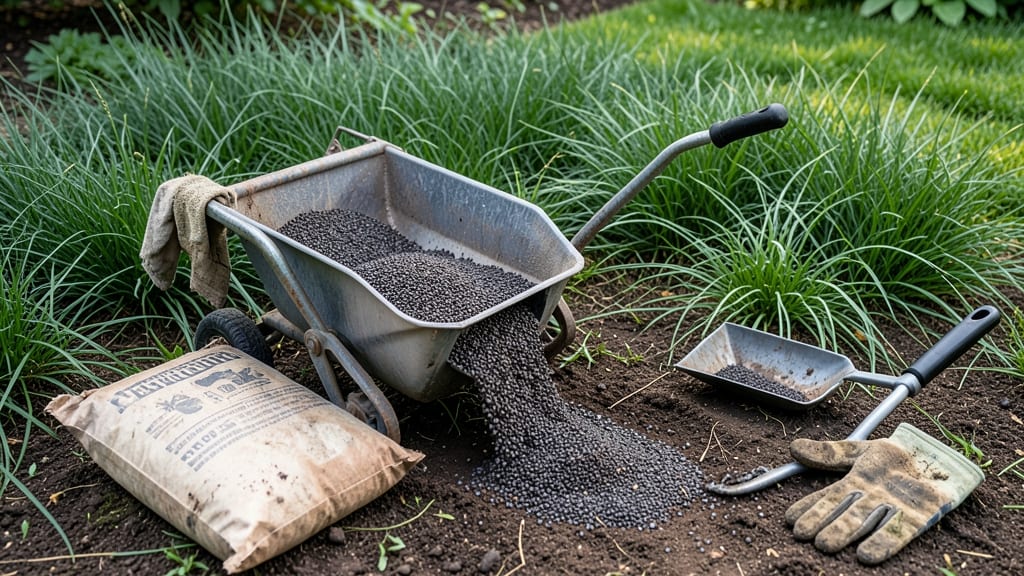
To fertilize your lawn effectively, time it according to your grass type and climate: cool-season grasses (like Kentucky bluegrass) need feeding in early spring, late fall, and occasionally summer, while warm-season grasses (such as Bermuda) respond best to spring and summer applications. Always align your schedule with local frost dates and rainfall patterns to maximize nutrient absorption.
Understanding your grass type is the first step—cool-season varieties grow actively in cooler months, so they benefit from early spring feeding to kickstart growth after dormancy, while warm-season grasses wake up in spring and need summer applications to support their peak growing season. 🌱 Climate plays a huge role too: regions with mild winters may extend the growing season, while areas with harsh winters should focus on late fall applications to strengthen roots before cold sets in.
I always recommend testing your soil first to determine exactly what nutrients your lawn needs before applying fertilizer.
Another key factor is rainfall—too much water can wash away nutrients, while drought conditions can reduce absorption. In drier climates, I suggest applying fertilizer in the evening to reduce evaporation, and always water deeply after application to help nutrients penetrate the soil.
This approach ensures your lawn gets the most out of each feeding while protecting local water resources.
💡 In This Article
- Seasonal Fertilizer Timing for Cool vs Warm-Season Grasses
- Climate Zone-Specific Fertilizing Schedules and Adjustments
Seasonal fertilizer timing for cool vs warm-season grasses
Cool-season grasses like Kentucky bluegrass and fescue thrive in temperatures between 60-75°F, entering dormancy when nights dip below 50°F. This is why early spring fertilization (late March to April) is critical—it provides the nitrogen boost needed to break dormancy and jumpstart growth after winter.
The roots are already established from fall applications, so the fertilizer focuses on above-ground growth. Warm-season grasses, such as Bermuda or Zoysia, behave oppositely: they go dormant in winter but wake up aggressively in spring, demanding summer fertilization (May to July) to support their rapid growth during peak heat. 🌱
The key difference lies in their growth cycles: cool-season grasses grow best in cooler weather, while warm-season varieties prefer warmth. For example, Kentucky bluegrass can handle light feeding in summer, but it's usually unnecessary unless you're addressing specific deficiencies.
Meanwhile, Bermuda grass may show stress signs like yellowing if fertilized in fall—its roots are preparing for dormancy, not growth. Testing soil pH (ideal range: 6.0-7.0) before fertilizing helps avoid over- or under-feeding, as nutrient availability shifts with soil acidity.
Regional climate adjustments are essential. In the Northern US (Zones 3-6), late fall fertilization (September-October) strengthens roots before winter, while Southern regions (Zones 7-10) may skip fall feeding entirely due to mild winters. The rule of thumb: fertilize when your grass is actively growing, not when it's dormant.
For instance, tall fescue in Zone 5 might need a third summer application if summer temperatures stay above 70°F for extended periods, but this is rare and depends on local microclimates.
Rainfall patterns also dictate timing. In wet climates (like the Pacific Northwest), nutrients leach quickly, so lighter, more frequent applications work better. In drought-prone areas (e.g., Southwest US), fertilizing in the evening reduces evaporation, and deep watering (1 inch per week) after application ensures nutrients reach the roots.
Overwatering can dilute fertilizer, while underwatering causes burn—both reduce effectiveness. A soil moisture probe can help gauge when to water post-fertilization for optimal absorption. ✨
One common mistake is fertilizing dormant grass—it won't use the nutrients, leading to waste and potential runoff. For example, applying nitrogen to dormant Bermuda in winter won't help; instead, focus on pre-emergent herbicides if weeds are a concern.
The exception is overseeding cool-season grasses in fall, where a light fertilizer application (like 10-0-10) supports new seedling growth before winter sets in.
Pro tip: Use a slow-release fertilizer in summer for warm-season grasses to avoid rapid growth spurts that require constant mowing.
For cool-season grasses, a balanced (16-4-8) or high-nitrogen (24-0-5) formula in spring promotes lush green growth, while a lower-nitrogen (10-10-10) blend in fall encourages root development. Always follow the manufacturer's recommended rates to avoid overapplication, which can harm grass and local ecosystems. 💫