
Lawn
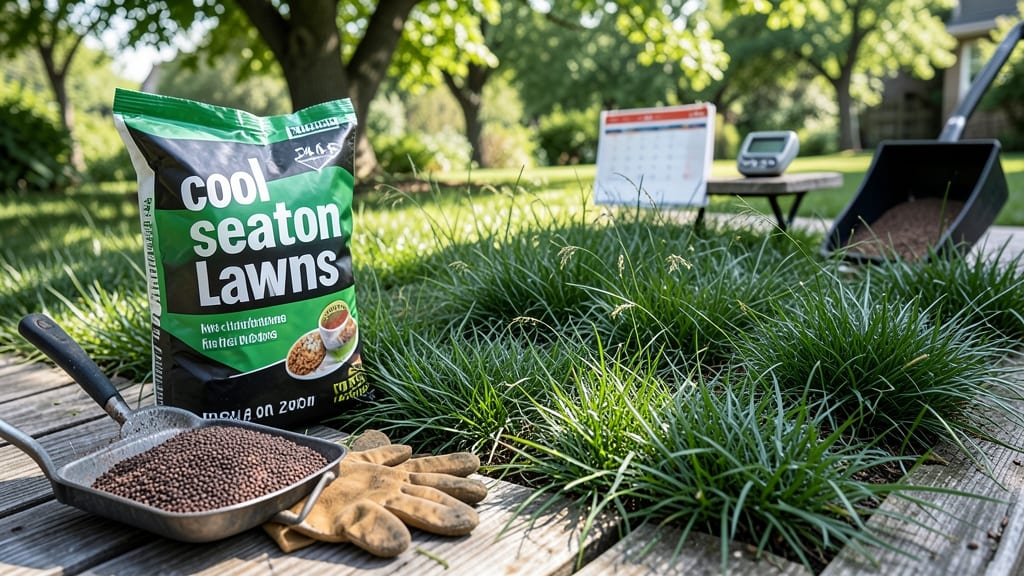
Fertilizing lawn in Minnesota at the right time is the key to a vibrant, resilient yard that survives brutal winters and sweltering summers.
Picture this: you’ve just mowed your lawn in early spring, only to watch it turn yellow by June because you missed the critical window for feeding. Or worse, you fertilize too late in fall and invite winter weeds.
Minnesota’s 3a-5b climate throws off even the best-laid plans, but a few smart adjustments make all the difference.
Cool-season grasses like Kentucky bluegrass thrive with three key feedings: early spring to wake up roots, late spring for peak growth, and a light fall boost to prep for winter.
Warm-season grasses? They play by different rules entirely. Below, I’ll break down the exact months to fertilize—plus how to read your lawn’s signals so you never over- or under-do it.
Ready to skip the guesswork? You’ll learn how soil tests, frost dates, and even your grass type dictate the perfect schedule—so your lawn stays green year-round, not just in summer.
Minnesota’s ideal fertilization timeline by season: cool vs. warm season grasses
Minnesota’s cool-season grasses like Kentucky bluegrass and warm-season grasses like buffalo grass thrive on different fertilization schedules. The key is aligning feedings with growth cycles and climate zones 4-5. Cool-season grasses grow best in spring and fall, while warm-season types peak in summer months.
For cool-season grasses, I focus on early spring and fall feedings to support rapid growth and root development. Warm-season grasses, however, need summer fertilization to handle heat stress. Minnesota’s frost dates (mid-May to mid-October) act as natural bookends for these schedules.
Here’s how to time fertilizations for both grass types, accounting for MN’s variable climate:
| Season | Cool-Season Grasses (e.g., Kentucky Bluegrass) | Warm-Season Grasses (e.g., Buffalo Grass) | Minnesota Climate Note |
|---|---|---|---|
| Early Spring (April) | First feeding (high nitrogen) | Skip (dormant) | Wait until soil temps reach 50°F |
| Late Spring (May-June) | Second feeding (slow-release) | Light feeding (if established) | Avoid if frost risk remains |
| Summer (July-August) | Light feeding (avoid heat stress) | Peak feeding (high phosphorus) | Water deeply after fertilizing |
| Late Summer (September) | Final fall feeding (root strength) | Reduce feedings (prep for dormancy) | Stop by mid-September in Zone 4 |
| Fall (October-November) | None (dormant) | None (dormant) | Grass goes dormant by first frost |
For cool-season grasses, I prioritize early spring and fall feedings because these are their active growth periods. In April, apply a high-nitrogen fertilizer (24-0-5) to jumpstart growth after winter dormancy. A second feeding in late May or early June supports thick turf before summer stress.
During summer months, I switch to light feedings for cool-season grasses to prevent heat stress. Warm-season grasses, however, thrive with summer fertilization. For buffalo grass, I apply a phosphorus-rich fertilizer in July to strengthen roots before winter.
In late August, I give cool-season grasses a final fall feeding to build root reserves. This timing helps them recover faster in spring. For warm-season grasses, I taper off feedings by mid-September to allow for natural dormancy before frost.
Minnesota’s climate zones 4-5 require adjustments. In northern MN (Zone 4), I delay spring feedings until mid-May to avoid frost damage. In southern MN (Zone 5), I can start earlier (early April) and extend fall feedings into October.
Always test soil pH before fertilizing. Cool-season grasses prefer 6.0-7.5 pH, while warm-season types tolerate slightly acidic soil (5.5-6.5). Amend with lime or sulfur as needed to optimize nutrient uptake.
Pro tip: Use a slow-release fertilizer to avoid nutrient runoff during MN’s heavy spring rains. Apply in early morning and water lightly to help granules settle into the soil.
By following this seasonal schedule, your Minnesota lawn will stay lush and resilient year-round, regardless of whether you have cool-season or warm-season grasses. 🌱
Signs your Minnesota lawn needs fertilizer (and when to skip it)
Your Minnesota lawn speaks volumes through its color, texture, and resilience. Yellowing patches that persist after mowing, slow recovery from drought or foot traffic, or thin spots where weeds creep in are clear signals your grass is hungry.
These signs often point to nutrient deficiencies, especially nitrogen, which fuels lush green growth. But before reaching for the fertilizer, consider whether your lawn's struggles stem from environmental stress or poor soil health.
Cool-season grasses like Kentucky bluegrass and fine fescue, common in Minnesota, thrive with regular feeding. However, over-fertilizing—especially in summer heat—can burn roots and waste nutrients.
The key is balancing your lawn's needs with Minnesota's variable climate, where early spring and late fall are prime feeding windows, while summer often calls for a lighter touch.
- Summer months (June-August): High heat stresses grass roots, making them unable to absorb nutrients efficiently.
- Winter (November-March): Dormant grass won’t use fertilizer, leading to waste and potential runoff.
- After drought or frost: Wait until soil is moist and temperatures stabilize (above 50°F) to avoid shocking the lawn.
- If soil tests show high nutrient levels: Over-fertilizing can harm beneficial microbes and local waterways.
Pro Tip: Conduct a soil test every 3-4 years to tailor your fertilization plan. Minnesota’s USDA zones 3a-5b mean soil pH and nutrient needs vary—adjust based on results!
Start by inspecting your lawn for uneven color or bare patches. If grass feels spongy underfoot, it may need potassium-rich fertilizer to strengthen roots. For organic options, consider composted manure or fish emulsion, which release nutrients slowly and improve soil structure over time.
These choices align with Minnesota’s eco-conscious gardening trends and reduce runoff risks.
Timing matters just as much as what you apply. In Minnesota, late August is ideal for a final feeding to prepare grass for winter. This late-season boost encourages root growth, helping lawns recover faster in spring.
Pair this with proper watering—deep soaks in the morning—to ensure nutrients reach the roots without evaporating in the summer sun.
Don’t ignore weed pressure as a sign of imbalance. If weeds like dandelions or crabgrass dominate, your lawn may lack competition from healthy grass. A balanced fertilizer with slow-release nitrogen (like 24-0-5) can help crowd out weeds naturally.
For persistent issues, consider a pre-emergent herbicide in early spring, but follow up with fertilization to restore grass density.
Finally, trust your lawn’s resilience. If it’s recovering well from seasonal stress—like spring green-up or fall color shifts—it may not need extra nutrients. Minnesota’s cool-season grasses are hardy and often thrive with minimal intervention.
Always prioritize soil health over quick fixes, and your lawn will reward you with vibrant, weed-resistant growth year after year.