
Lawn
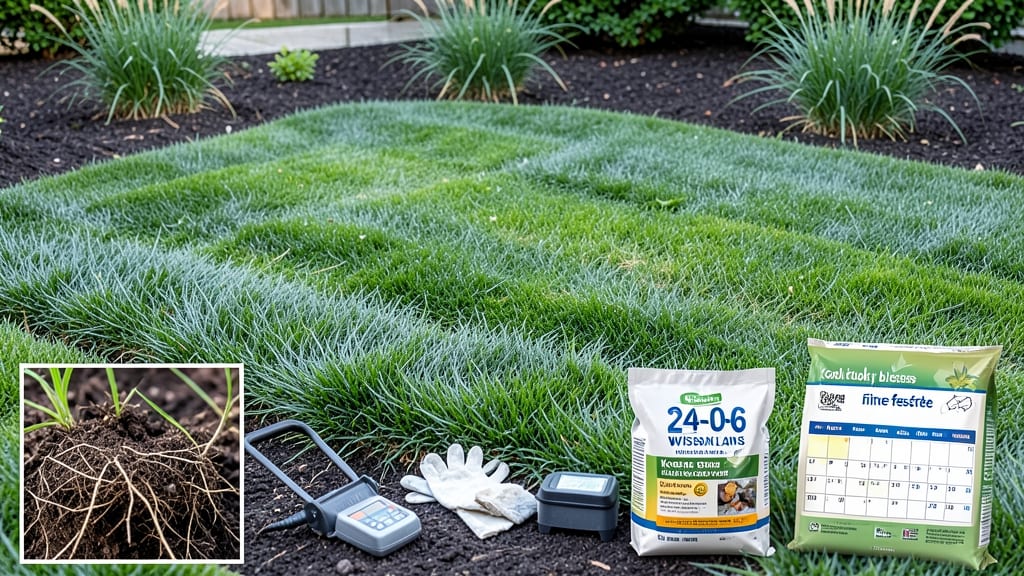
Fertilizing your Wisconsin lawn at the right times means the difference between a thick, green carpet and a patchy, weak mess — and the key is getting the timing down to the week.
Wisconsin’s unpredictable climate demands precise timing for lawn fertilization—get it wrong, and you’ll waste money or risk burning your grass. But master the cool-season schedule, and you’ll grow a lush, weed-resistant lawn that neighbors envy.
Most homeowners in USDA zones 4b-5b should focus on two main windows: early spring and fall, when your lawn grass 🌱 is actively growing but not stressed by heat or cold. Summer feedings are optional, but they require extra care to avoid scorching.
Below, I break down the exact months to fertilize, which fertilizer types work best for Wisconsin’s soil, and how to avoid the five biggest mistakes that turn green dreams into brown patches.
Wisconsin lawn fertilization timeline: exact months for cool-season grasses
Wisconsin’s cool-season grasses like Kentucky bluegrass and fine fescue thrive when fertilized at precise times tied to soil temperatures and growth cycles. Unlike warm-season lawns, these grasses grow best in spring and fall, with optional summer feeding for northern regions.
The key? Timing your applications to match when grass roots are actively growing—not when it’s dormant or stressed.
In northern Wisconsin (USDA Zones 4b-5a), where winters are harsher, focus on early spring and fall fertilization, with a light summer boost if needed. Southern Wisconsin (Zone 5b-6a) can extend summer feeding slightly later, but avoid fertilizing when temperatures exceed 85°F—this stresses grass and burns roots.
Always check for soil thaw in spring (wait until 50°F soil temps) and first frost dates in fall (aim for 6-8 weeks before frost).
Here’s your Wisconsin-specific fertilization schedule, broken down by region and season, to maximize growth while avoiding waste or damage:
| Season | Northern WI (Zones 4b-5a) | Southern WI (Zones 5b-6a) | Key Trigger | Fertilizer Type |
|---|---|---|---|---|
| Early Spring | Late April (after soil thaw) | Early April (soil at 50°F) | Soil temp ≥50°F | Slow-release (24-0-5) |
| Late Spring | Mid-May to June | May to early June | Grass actively growing | Quick-release (32-0-4) |
| Summer (Optional) | July (light feed) | June-July (if needed) | Temperatures <85°F | Slow-release (20-0-5) |
| Early Fall | Late August to Sept | September | 6-8 weeks before frost | Slow-release (24-0-5) |
| Late Fall | None (grass dormant) | None (grass dormant) | First frost | N/A |
Early spring fertilization (late April in northern WI, early April in southern WI) is critical for breaking winter dormancy and encouraging root growth. Use a slow-release fertilizer with a 24-0-5 NPK ratio—this balances nitrogen for greening while avoiding phosphorus buildup. Apply when soil temperatures hit 50°F, and avoid fertilizing if frost is forecast within 48 hours. For overseeded lawns, wait until new grass is 3-4 inches tall before feeding.
In late spring (May-June), switch to a quick-release fertilizer (like 32-0-4) to support rapid top growth as grass enters its peak growing phase.
This is also the ideal time to apply pre-emergent herbicides (like prodiamine) to block crabgrass before it germinates. Northern WI should stop by mid-June to avoid summer stress, while southern WI can extend slightly later.
An optional summer feed in July (northern WI) or June-July (southern WI) helps maintain color but isn’t essential. If you choose to fertilize, use a light application of slow-release (20-0-5) and water deeply afterward to prevent burn.
Avoid fertilizing if temperatures exceed 85°F—this can shock grass roots and invite disease. Instead, focus on mowing high (3-4 inches)
How to choose the right fertilizer type for Wisconsin’s climate and grass types
Wisconsin’s cool-season grasses like Kentucky bluegrass and fine fescue thrive when fed the right nutrients at the right time. But with quick-release and slow-release fertilizers on the market, plus organic vs. synthetic options, picking the wrong one can mean wasted money—or worse, grass burn.
Let’s break down what works best for Wisconsin’s climate and common grass types.
The key difference lies in nitrogen ratios and release timing. A 32-0-4 fertilizer delivers fast results but requires frequent applications, while a 24-0-6 blend offers a balanced, slower feed.
For Wisconsin’s unpredictable spring thaws and early fall frosts, slow-release options often win because they sync with grass growth cycles without risking runoff or overfeeding.
Wisconsin’s three dominant grasses—Kentucky bluegrass, fine fescue, and perennial ryegrass—each have unique needs. Kentucky bluegrass, for example, loves high nitrogen for vibrant growth, while fine fescue prefers moderate feeding to avoid stress. Perennial ryegrass sits in the middle but benefits from organic matter to improve soil structure over time.
Fertilizer Type Comparison for Wisconsin Lawns
Slow-Release Fertilizers
- ✅ Pros: Steady nutrient flow, less runoff risk, fewer applications
- ✅ Best for: Cool-season grasses, Wisconsin’s variable climate
- ✅ Nitrogen ratio: 24-0-6 or 25-0-5
Ideal for spring and fall feedings when grass grows slowly.
Quick-Release Fertilizers
- ✅ Pros: Fast green-up, good for summer stress recovery
- ❌ Cons: Higher burn risk, requires frequent reapplication
- ✅ Nitrogen ratio: 32-0-4 or 40-0-0
Use sparingly in late spring/early summer for quick results.
Organic Fertilizers
- ✅ Pros: Improves soil health, slow nutrient release, eco-friendly
- ✅ Best for: Long-term lawn vitality, fine fescue mixes
- ❌ Cons: Slower results, may need pre-treatment
Compost, bone meal, and fish emulsion are top choices.
Synthetic Fertilizers
- ✅ Pros: Precise nutrient control, fast action
- ❌ Cons: Can degrade soil over time, higher environmental impact
- ✅ Best for: Quick fixes, Kentucky bluegrass lawns
Granular or liquid options work well for targeted feeding.
For Kentucky bluegrass, a slow-release 24-0-6 fertilizer in early spring (April) and fall (September) provides the perfect balance. This grass type loves nitrogen but can’t handle sudden spikes, so organic options like composted manure are excellent long-term investments.
Meanwhile, fine fescue, which thrives in shadier spots, does better with moderate nitrogen and benefits from organic matter to improve soil structure.
If you’re dealing with perennial ryegrass, which germinates quickly but matures slower, opt for a mixed approach: use a quick-release 32-0-4 in late spring to kickstart growth, then switch to a slow-release blend in summer to prevent stress.
Always pair fertilizers with a soil test—Wisconsin’s clay-heavy soils often need phosphorus adjustments, and a test reveals exactly what your lawn is missing.
Pro tip: Water deeply after fertilizing to help nutrients penetrate the soil, especially in Wisconsin’s dry summers. And remember—fall fertilization is non-negotiable for cool-season grasses. A light application in September strengthens roots before winter, giving you a head start when spring arrives. 🌱