
Lawn
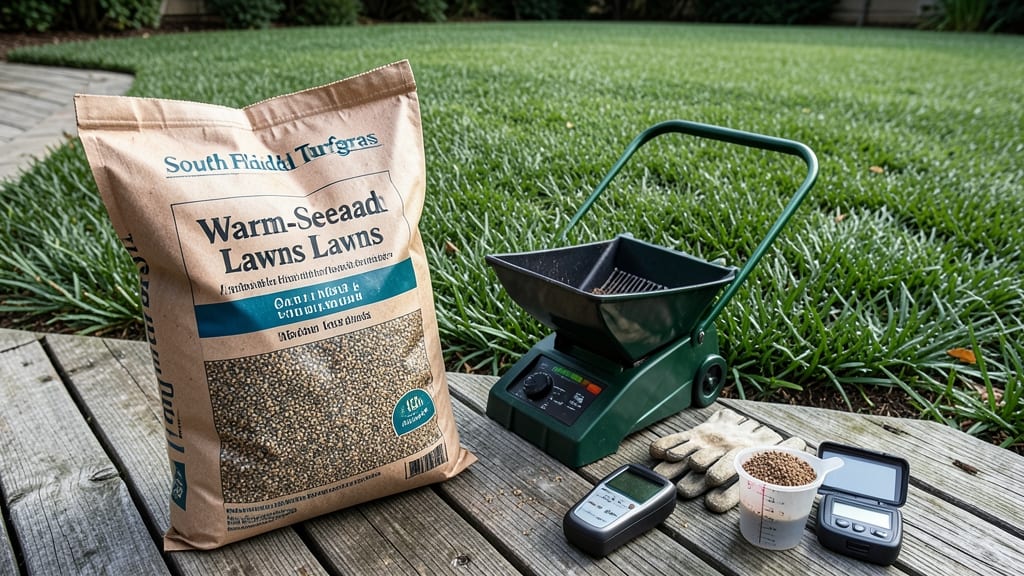
To fertilize lawn grass in South Florida means timing it right—your grass thrives on year-round feeding, but the heat and humidity demand a smarter approach than just dumping fertilizer whenever you think of it.
Picture this: you’ve just spent $50 on a fresh bag of fertilizer, spread it carefully, and two days later, your lawn looks like it’s been sunburned. That’s what happens when you ignore the seasonal rules—South Florida’s 10a-11 climate turns fertilizer into a double-edged sword if you’re not careful.
Most homeowners here make two big mistakes: overdoing it in summer (when grass burns) or skipping it entirely in fall (when roots need strength). The best strategy? A month-by-month plan that matches your grass type—whether it’s St. Augustine, Bermuda, or Zoysia—and the weather.
In this guide, I’ll break down the exact months to feed, the fertilizers that work (and which to avoid), and how to spot when your lawn is begging for nutrients—or when it’s better to hold off. No guesswork, just year-round vibrancy without the brown patches.
South Florida fertilization schedule by season: month-by-month breakdown for optimal growth
South Florida’s tropical climate and high humidity create unique challenges for lawn care. Unlike northern regions, your grass grows year-round, but fertilization timing is critical to avoid nutrient burn or wasted fertilizer.
The key is aligning feedings with growth cycles—heavy in spring, light in summer, and strategic in fall to prepare for cooler months. For St. Augustine, Bahiagrass, and Zoysia, this schedule ensures vibrant green lawns without stressing your grass.
Most homeowners make the mistake of over-fertilizing in summer, which can lead to brown patches or even algae blooms in stormwater runoff. Instead, we’ll focus on slow-release fertilizers and seasonal adjustments to match South Florida’s monsoon patterns and hurricane season.
Let’s break it down by month so you can plan ahead for a lush, healthy lawn all year.
🌱 Pro Tip: Always test your soil’s pH level (ideal: 6.0–6.5) before fertilizing. If your soil is too acidic or alkaline, amendments like pelletized lime or sulfur should be applied 2–4 weeks before your first feeding to avoid shocking the grass.
| Month | Grass Activity | Fertilization Type | Notes |
|---|---|---|---|
| January | Slow growth (cooler temps) | Light feeding (optional) | Skip if grass is dormant; use iron supplements for color if needed. |
| February | Moderate growth (warming up) | Light feeding | Focus on slow-release nitrogen to avoid spring burn. |
| March | Rapid growth (peak spring) | Full feeding (high nitrogen) | Best time for pre-emergent herbicides if controlling weeds. |
| April | Active growth (monsoon prep) | Full feeding | Use weather-resistant granules to prevent runoff. |
| May | Slow growth (heat stress) | Light feeding | Reduce nitrogen; focus on potassium for heat tolerance. |
| June | Dormant or stressed | Skip or minimal feeding | Avoid fertilizing during hurricane season (June–Nov). |
| July | Dormant (extreme heat) | Skip | Focus on deep watering and mowing high. |
| August | Recovery phase | Light feeding (post-hurricane) | Use low-nitrogen fertilizer to avoid stress. |
| September | Moderate growth (fall prep) | Full feeding | Boost root development for winter resilience. |
| October | Rapid root growth | Full feeding (high potassium) | Ideal for winterizing your lawn. |
| November | Slow growth (cooler temps) | Light feeding | Avoid late-season high-nitrogen fertilizers. |
| December | Dormant (holiday season) | Skip | Focus on soil health with organic matter. |
For St. Augustine grass, which is popular in South Florida, March and October are the golden months for fertilization.
How to choose the right fertilizer type for South Florida’s unique climate and grass varieties
South Florida’s humid climate and intense sunlight create the perfect storm for lawn care—too much fertilizer can burn your grass, while too little leaves it weak and patchy. The key is selecting the right fertilizer type that matches your grass variety and seasonal needs.
For example, St. Augustine thrives with slow-release nitrogen, while Bermuda grass benefits from quick-release options during peak growth.
Your choice between organic and synthetic fertilizers also depends on your lawn’s health and your long-term goals. Organic options like compost or fish emulsion improve soil structure over time, while synthetic blends deliver immediate nitrogen for rapid greening.
South Florida’s sandy soil often needs micronutrients like iron or zinc to prevent yellowing, so look for blends designed for tropical climates.
Here’s a quick comparison to help you decide which fertilizer aligns with your lawn’s needs:
Fertilizer Type Comparison for South Florida Lawns
Slow-Release Fertilizers
- Steady growth without burning
- Reduces nutrient runoff in heavy rains
- Ideal for St. Augustine and Zoysia
- More expensive upfront
- Less immediate color boost
Quick-Release Fertilizers
- Fast green-up for quick results
- Affordable for high-traffic lawns
- Works well for Bermuda grass in summer
- Risk of burning grass in heat
- Requires frequent reapplication
Organic Fertilizers
- Improves soil health long-term
- Safe for children and pets
- Supports microorganisms in soil
- Slower results than synthetic
- May require larger quantities
Synthetic Fertilizers
- Precise nutrient ratios for fast growth
- Easy to measure and apply
- Cost-effective for large lawns
- Can leach into waterways
- May disrupt soil biology over time
Avoid the common mistake of over-fertilizing during South Florida’s summer months (June-August). The intense heat and humidity can cause fertilizer burn, turning your lawn brown. Instead, opt for light applications every 8-10 weeks and always water deeply after fertilizing to help nutrients absorb into the soil.
For micronutrient blends, choose products with iron, manganese, and zinc to combat yellowing caused by our acidic, sandy soil.
For best results, test your soil in late winter (February) to identify deficiencies before the growing season kicks off. If your lawn is St. Augustine, a slow-release 16-4-8 NPK blend works wonders, while Bermuda grass responds well to a quick-release 30-0-4 in spring.
Always follow the label instructions and adjust based on your grass’s health and the season.
Remember, South Florida’s year-round growing potential means you can fertilize almost anytime, but timing matters. Skip winter applications entirely—your grass goes dormant, and fertilizing can encourage fungal growth. Instead, focus on spring and fall for the most vibrant, resilient lawn possible.