
Lawn
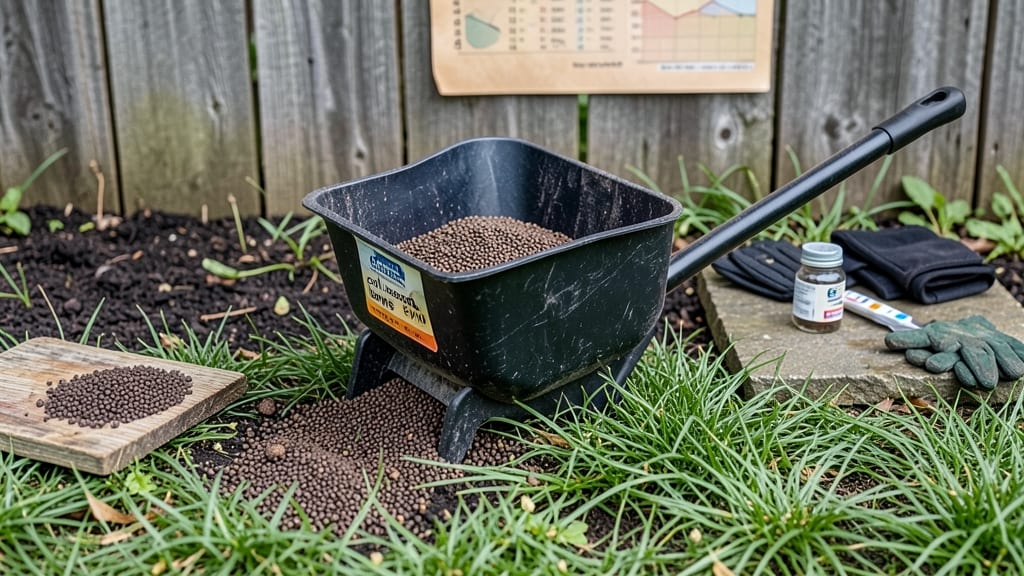
Fertilizing your Oregon lawn at the right time is the secret to a thick, green carpet that survives the state’s wet winters and dry summers—without wasting a dollar or scorching the grass.
Picture this: You’ve just spent $50 on fertilizer, spread it all out, and two weeks later, your lawn looks like a patchwork quilt of brown and green. That’s what happens when you fertilize at the wrong time—especially in Oregon’s 7b-9a zones, where timing matters more than the brand.
Cool-season grasses like fescue and ryegrass need feeding twice a year: once in early spring to kickstart growth after winter dormancy, and again in fall to strengthen roots before the cold sets in.
But here’s the catch: Coastal Oregon’s damp springs and inland areas’ dry summers throw off the schedule if you’re not careful.
In this guide, I’ll walk you through the exact months to fertilize in your part of Oregon, how to read your soil’s signals, and the one mistake 90% of homeowners make that turns their lawn into a chemical wasteland. No guesswork—just a lush, resilient yard that stays green all season.
Oregon lawn fertilization timeline: exact months for spring & fall feeding
Oregon’s cool-season grasses like fescue, ryegrass, and bluegrass need precise fertilization timing to thrive. The Willamette Valley and Eastern Oregon have different microclimates, so I’ll break down the exact months for each region. Spring and fall are critical—get this wrong, and you’ll either waste fertilizer or stress your lawn.
Let’s dive into the science-backed schedule that works for Oregon’s unique growing conditions.
First, understand that spring feeding kickstarts growth after winter dormancy, while fall feeding strengthens roots before cold weather.
In Western Oregon, where winters are wetter, you’ll fertilize slightly earlier than in Eastern Oregon, where summers are hotter and drier. Pre-emergent herbicides for crabgrass should also factor into your timeline—apply them before weeds sprout, not after. Timing is everything!
Here’s how Oregon’s two distinct regions differ in their ideal fertilization windows:
| Region | Spring Fertilization | Pre-Emergent Herbicide | Fall Fertilization | Notes |
|---|---|---|---|---|
| Willamette Valley | Late April - Early May | Mid-March | Early September - Mid-October | Wetter climate; adjust for rain delays |
| Eastern Oregon | Early May - Mid-June | Late March - Early April | Mid-September - Early October | Hotter summers; prioritize early fall feeding |
For the Willamette Valley, fertilize in late April to early May to align with the grass’s natural growth surge. Apply a balanced fertilizer (like 16-4-8) to avoid overloading nitrogen, which can burn roots in wet conditions. Pre-emergent herbicide should go down in mid-March—this stops crabgrass before it germinates.
In fall, feed again in early September to prepare for winter dormancy.
In Eastern Oregon, where summers are drier, delay spring feeding until early May to mid-June.
The soil warms slower, so rushing fertilizer can lead to waste. Pre-emergent here goes down late March to early April, as crabgrass seeds germinate earlier in the heat. Fall feeding shifts to mid-September—earlier than the West—to give roots time to harden before the first frost.
Don’t skip soil testing before fertilizing! Oregon’s soils vary—sandy soils in Eastern Oregon drain fast and need frequent feeding, while clay-heavy soils in the Willamette Valley hold nutrients longer.
Adjust your fertilizer type based on your test results. For example, if your soil is low in phosphorus, choose a fertilizer with a higher middle number (e.g., 10-20-10).
Pro tip: Water deeply before and after fertilizing to help nutrients penetrate the soil. In Western Oregon’s rainy season, avoid fertilizing during heavy downpours—it washes away nutrients.
Instead, pick a dry, calm day in your chosen window. Eastern Oregon’s dry summers mean you’ll need to water more frequently post-fertilization to prevent burn.
If you overseed in late summer or early fall, time your last fertilization to 6-8 weeks before the first frost. This gives new grass roots time to establish without competing with winter dormancy.
For crabgrass control, reapply pre-emergent in late summer if you notice weeds returning—just follow the same regional timing as spring.
Remember, less is more with fertilization. Overdoing it leads to brown patches, algae growth, or even water pollution. Stick to the 1 lb per 100 sqft rule and adjust based on your lawn’s health.
With this timeline, your Oregon lawn will stay green, dense, and resilient year-round. Happy gardening! 🌱
How to choose the right fertilizer for Oregon’s cool-season grasses (fescue, ryegrass, bluegrass)
Oregon’s cool-season grasses like fescue, ryegrass, and bluegrass need the right fertilizer type and nitrogen balance to thrive in our wet winters and mild summers. Choosing the wrong formula can lead to over-fertilization or poor growth, especially in sandy coastal soils or clay-heavy inland areas.
The key is selecting a product tailored to your soil and grass type.
Start by checking your soil pH—most Oregon lawns benefit from a 6.0-7.0 range. If your soil is acidic (below 6.0), pair your fertilizer with lime to improve nutrient uptake.
For sandy soils, opt for slow-release fertilizers to prevent rapid leaching, while clay-heavy soils can handle quick-release options without runoff risks.
| Grass Type | Best N-P-K Ratio | Soil Type Fit | Fertilizer Type |
|---|---|---|---|
| Fescue | 16-4-8 or 20-5-10 | Sandy or loamy | Slow-release organic |
| Ryegrass | 24-4-8 or 25-0-5 | Clay or loamy | Quick-release synthetic |
| Bluegrass | 18-6-12 or 20-5-10 | Loamy or clay | Balanced slow-release |
| Mixed Lawns | 12-4-8 or 15-5-10 | All soil types | Organic compost blend |
For organic options, consider composted manure, fish emulsion, or bone meal—these provide slow-release nutrients and improve soil structure. Synthetic fertilizers like urea or ammonium sulfate offer fast results but require careful application to avoid burning grass.
Always follow the 1 lb per 100 sq ft guideline and water thoroughly after applying.
Avoid high-nitrogen fertilizers (like 30-0-4) in Oregon’s cool-season unless you’re overseeding in late summer. These can cause excessive growth that weakens grass before winter. Instead, stick to balanced formulas (like 16-4-8) for steady, resilient growth.
Split applications in spring and fall work best—never fertilize during drought or extreme heat.
Test your soil every 2-3 years to adjust your fertilizer plan. Oregon’s variable microclimates mean what works in Portland’s Willamette Valley may not suit Bend’s high desert. Local nurseries often offer soil testing kits for just $20, making it easy to fine-tune your approach.
With the right fertilizer, your cool-season grasses will stay green, dense, and drought-resistant all year.
Remember: Less is more in Oregon’s wet climate. Over-fertilizing leads to runoff pollution, fungal growth, and wasted money. When in doubt, choose slow-release organic and let your grass tell you what it needs—healthy roots mean fewer supplements!