
Fertilization
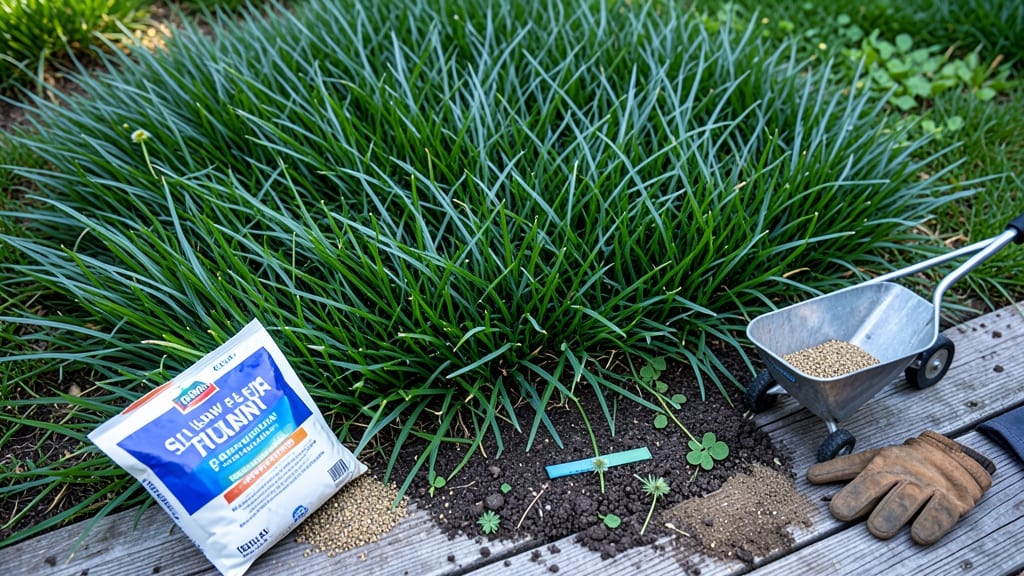
Fertilizing lawns in Houston works best during early spring (February-March), late spring (May), mid-summer (July-August), and fall (September-October) to support warm-season grass growth while avoiding extreme heat or drought stress. Opt for slow-release nitrogen fertilizers for consistent results.
Houston's humid subtropical climate creates ideal conditions for warm-season grasses like Bermuda and St. Augustine, but timing is everything. 🌱 The key is matching fertilization with active growth periods—spring kickstarts new growth, summer maintains it, and fall prepares grass for winter dormancy.
I’ve seen firsthand how skipping the mid-summer application can leave lawns struggling during our brutal August heat waves, while fall fertilization helps roots strengthen before cooler months.
For best results, pair your fertilizer with proper watering—deep, infrequent watering (1-1.5 inches per week) helps nutrients penetrate the soil. If rain is forecast within 48 hours, delay application to prevent runoff.
Pro tip: Houston’s clay-heavy soil often needs a soil test to determine if you need acid-loving fertilizers or neutral blends—most local garden centers offer this service for under $20.
💡 In This Article
- Houston’s Climate and Grass Growth Cycles for Fertilizing
- Step-by-Step Houston Fertilization Schedule by Month
Houston’s climate and grass growth cycles for fertilizing
Houston’s humid subtropical climate creates a unique rhythm for lawn care, where warm-season grasses like Bermuda, St. Augustine, and Zoysia dominate. These grasses thrive when daytime temperatures stay between 75-95°F—perfect for Houston’s long, hot summers.
The real growth spurt happens when soil temperatures hit 65°F or warmer, which typically occurs in early spring (March) and continues through fall. This is why fertilizing in February-March kickstarts new growth after winter dormancy, while fall applications (September-October) help grass store nutrients for winter resilience.
The high humidity and frequent rainfall in Houston also play a role in nutrient absorption. Warm, moist soil allows roots to access nutrients more efficiently, but too much rain can wash away fertilizers if not applied properly.
That’s why slow-release nitrogen fertilizers are ideal—they provide a steady nutrient supply over 6-8 weeks, preventing runoff during Houston’s unpredictable downpours. 💧 For example, a 24-4-8 ratio fertilizer (nitrogen-phosphorus-potassium) works well for spring, while a 16-4-8 blend suits summer’s slower growth phase.
What most people don’t realize is how Houston’s clay-heavy soil affects fertilization. Clay holds nutrients tightly but can become compacted, reducing root access. Aerating your lawn before fertilizing—especially in spring and fall—helps break up this compacted layer.
I’ve seen lawns in Houston’s clay soil double their growth rates after just one aeration session combined with proper fertilization timing. The key is working with the soil’s natural tendencies rather than against them.
Temperature extremes also dictate fertilization windows. The brutal summer heat (often exceeding 95°F) stresses grass, making it less receptive to nutrients. That’s why mid-summer applications (July-August) should focus on lighter feeds to avoid burning the lawn.
In contrast, fall’s milder temperatures (70-85°F) create ideal conditions for root development, making September-October the perfect time for potassium-rich fertilizers that strengthen grass before winter.
One visual telltale sign of proper timing is grass color. Healthy warm-season grass in Houston should be a vibrant green during active growth periods. If you notice yellowing in spring, it might signal nitrogen deficiency—time to fertilize!
Conversely, grass turning brown in summer could mean heat stress rather than nutrient issues, so hold off on heavy feeding until temperatures drop. 🌿 This color cue system has saved me countless hours of guesswork in my own backyard.
Finally, Houston’s hurricane season (June-November) adds another layer of complexity. If a storm is forecast within 48 hours of fertilizing, delay application to prevent nutrient runoff into storm drains. This isn’t just good practice—it’s required by local environmental regulations.
The City of Houston’s Water Division recommends waiting until after heavy rains to fertilize, as the excess moisture helps nutrients penetrate deeper into the soil profile.