
Fertilization
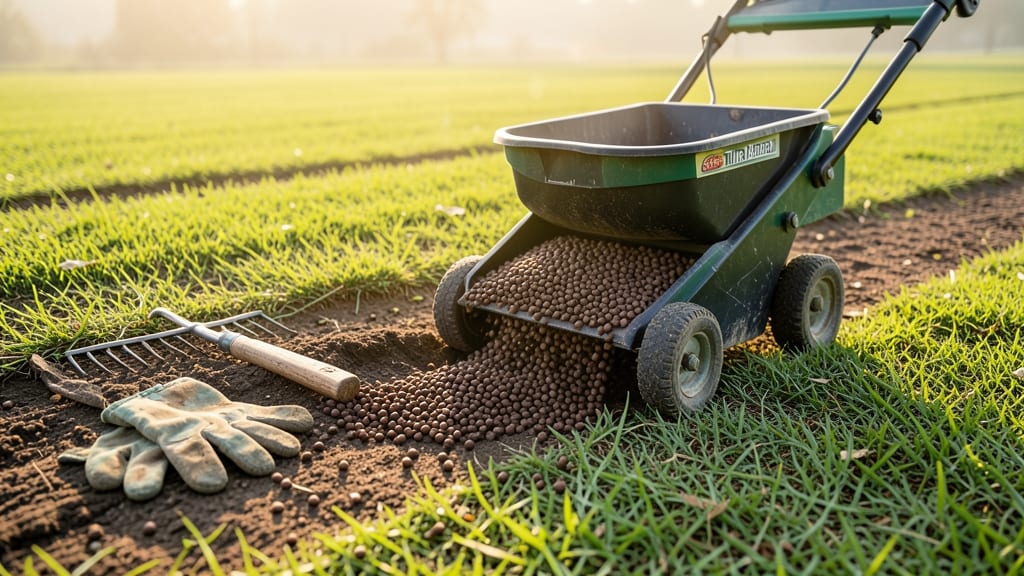
Fertilizing a new lawn at the right time is the key to strong roots and lush growth 🌱 — and missing the window can leave your grass weak or patchy.
New lawns need careful timing to thrive—apply fertilizer too early, and you’ll waste resources; too late, and your grass struggles to establish roots. Mastering the perfect schedule ensures a lush, resilient yard from day one.
Most grass types benefit from a light feeding 4-6 weeks after seeding or sodding, when roots are deep enough to absorb nutrients but not so established that they’ll burn.
Cool-season grasses like Kentucky bluegrass or fescue get their first boost in early spring, while warm-season types like Bermuda need it in late spring.
Below, I’ll break down the exact timing by grass type, how to adjust for seed vs. sod, and the 3 signs your lawn is ready for fertilizer—plus what to avoid when feeding new grass.
Best fertilization timeline for new lawns by grass type
Timing your lawn fertilizer applications is just as important as choosing the right product. For new lawns, the wrong schedule can stunt root growth or waste nutrients. Cool-season grasses like Kentucky bluegrass and fescue thrive with early-season feeding, while warm-season varieties such as Bermuda and Zoysia need summer-focused fertilization.
Understanding these differences ensures your grass establishes strong roots before heavy growth phases.
Most lawn care experts recommend starting fertilization 4-6 weeks after seeding or 2-3 weeks after sod installation. This window allows the grass to develop enough roots to handle nutrients without burning. However, the exact timing shifts based on your grass type and climate zone.
For example, cool-season grasses in northern regions should get their first feed in early spring, while warm-season grasses in southern climates may wait until late spring.
Here’s how to align your fertilization schedule with your grass type and seasonal growth patterns:
| Grass Type | First Fertilizer Application | Best Season for Feeding | Frequency After Establishment | Key Growth Stage |
|---|---|---|---|---|
| Cool-Season (Kentucky Bluegrass, Fescue) | 4-6 weeks after seeding or 2-3 weeks after sod | Early spring (March-April) and fall (September-October) | Every 6-8 weeks | Root establishment (4-6 weeks) |
| Warm-Season (Bermuda, Zoysia) | 6-8 weeks after seeding or 3-4 weeks after sod | Late spring (May-June) and summer (July-August) | Every 4-6 weeks (summer only) | Active growth (8-12 weeks) |
| All Grass Types | Avoid fertilizing within 6 weeks of seeding | Never fertilize in winter (dormant season) | Use slow-release or organic fertilizers | Monitor soil moisture before feeding |
For cool-season grasses, the first fertilizer application typically happens in early spring (March-April) to kickstart growth after winter dormancy. A starter fertilizer with a higher phosphorus content (e.g., 10-20-10 NPK ratio) helps roots establish quickly.
Follow up with a balanced fertilizer (e.g., 16-4-8) every 6-8 weeks through the growing season, with a final feed in late summer or early fall to strengthen roots before winter.
In contrast, warm-season grasses like Bermuda and Zoysia need their first fertilizer application later, around late spring (May-June), when soil temperatures reach 65°F or higher. These grasses grow aggressively in summer, so focus on high-nitrogen feeds (e.g., 24-0-10) every 4-6 weeks during the active growing months.
Reduce or stop fertilizing in late summer to allow the grass to harden off before cooler weather.
One common mistake is fertilizing newly seeded lawns too early. Grass seeds need time to germinate and develop roots before they can handle nutrients. Wait until you see 3-4 inches of new growth before applying fertilizer.
For sod lawns, delay feeding until the sod has rooted, which usually takes 2-3 weeks in ideal conditions. Always water deeply after fertilizing to help nutrients penetrate the soil and prevent burn.
Adjust your schedule based on weather conditions. If your area experiences drought or extreme heat, skip fertilizing until conditions improve. Over-fertilizing in hot weather can stress the grass and lead to brown patches.
Similarly, avoid fertilizing in fall for warm-season grasses—they go dormant when temperatures drop, and excess nutrients won’t be used.
Use a soil test before fertilizing to check nutrient levels. If your soil is already rich in nitrogen, you may need a low-nitrogen or organic fertilizer to avoid overfeeding. For poor soil, consider a compost top-dressing alongside your fertilizer to improve soil structure and microbial activity.
This dual approach supports long-term lawn health while meeting immediate nutrient needs.
Pro tip: Mark your calendar with the last frost date in your area. For cool-season grasses, this helps time your first spring feed; for warm-season grasses
Critical mistakes to avoid when fertilizing new grass
Fertilizing a new lawn seems straightforward, but timing and technique make all the difference. Too much fertilizer can burn tender grass roots, while too little leaves your lawn struggling to establish. Even experienced gardeners sometimes make costly mistakes that set back their lawn's growth for months.
One of the biggest errors is applying fertilizer immediately after seeding or sodding. New grass needs time to develop roots before handling additional nutrients. Rushing this process can lead to nutrient overload and stress the young plants.
⚠️ callout warning
⚠️ Fertilizing Too Early
Never fertilize within 4-6 weeks of seeding or 2-3 weeks of sodding. Young grass prioritizes root growth over top growth, and fertilizer can disrupt this critical phase.
✅ Wait until grass reaches 3 inches tall for seeded lawns or 2 weeks post-sodding before first application.
Another common mistake is using the wrong nitrogen-to-phosphorus ratio. New lawns need more phosphorus to encourage root development, but many gardeners default to high-nitrogen fertilizers designed for established lawns. A 16-4-8 NPK ratio is ideal for new grass, while 24-0-10 is better suited for mature lawns.
Poor soil conditions can also sabotage your fertilization efforts. If your soil is compacted or lacks organic matter, nutrients won't penetrate effectively. Always test your soil's pH before fertilizing—most grasses thrive in slightly acidic soil (pH 6.0-7.0).
If your soil is too alkaline, consider adding sulfur or compost to adjust the pH before applying fertilizer.
Seasonal timing is equally critical. For cool-season grasses like Kentucky bluegrass, fertilize in early spring and fall, while warm-season grasses like Bermuda grass should get their first feeding in late spring. Applying fertilizer during extreme heat or drought stresses can damage your lawn.
Finally, never skip the watering step after fertilizing. Always water your lawn lightly after application to help nutrients penetrate the soil, then give it a deep soaking the next day. This two-step process prevents fertilizer buildup on the surface, which can burn grass blades.