
Fertilization
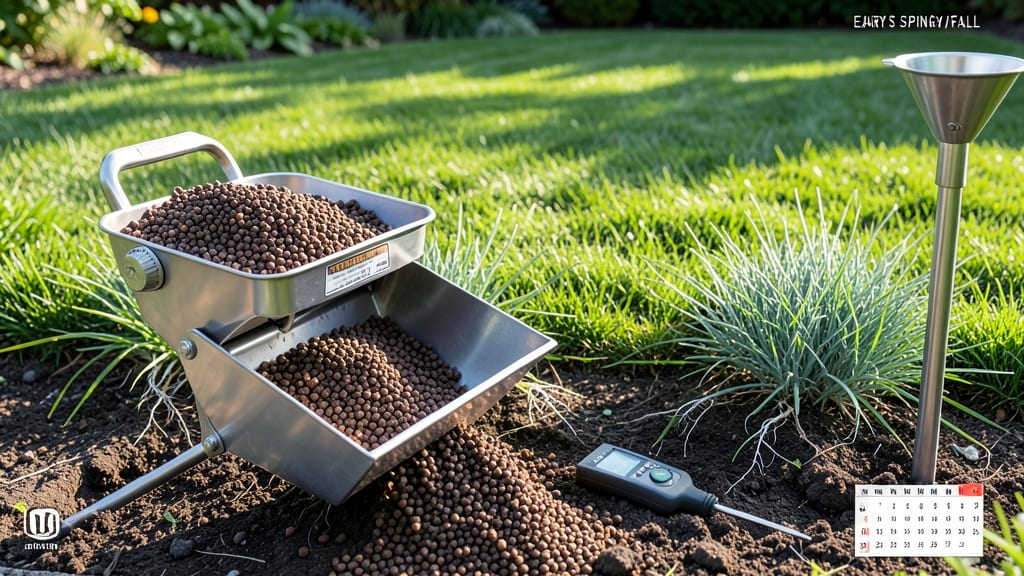
To fertilize a lawn at the right time means catching it when your grass is hungry for growth—not when it’s already struggling or dormant.
Picture this: you’ve just spent hours mowing and edging, only to see brown patches creep in by summer’s end. That’s the cost of fertilizing too late—or too early.
The truth? Timing is everything, and it depends on whether your grass is cool-season (like fescue) or warm-season (like Bermuda), plus your local climate. Get it wrong, and you’re wasting money—or worse, harming your lawn.
Most lawns thrive with two key feedings a year: once in early spring (March–April) to kickstart growth and again in fall (September–October) to strengthen roots before winter. But in warmer climates, a light summer feeding might help—just avoid fertilizing when grass is stressed by heat or drought.
Below, I’ll break down the exact schedule for your zone, plus how to read your lawn’s signals so you never over- or under-feed again.
Ready to turn patchy grass into a vibrant green carpet? Let’s dive into the climate-specific schedule that’ll keep your lawn lush all season long.
Best fertilization timing by season: a climate-specific guide
Getting your lawn fertilization schedule right is all about understanding your local climate and grass type. Warm-season grasses like Bermuda or Zoysia thrive in hotter months, while cool-season types like Kentucky bluegrass or fescue need feeding when temperatures drop.
The wrong timing can burn roots or waste nutrients—so let's break it down by season and climate.
For most regions, the golden windows are early spring and late summer/early fall. But if you live in a tropical climate, you might fertilize year-round, while northern zones focus on spring and fall. The key is matching your grass's natural growth cycle to avoid stress during dormant periods.
Here’s how to align your fertilization with your lawn’s needs—whether you’re in a cool-season or warm-season zone. The table below compares the two, so you can pick the schedule that fits your yard.
| Season | Cool-Season Grasses (e.g., Kentucky Bluegrass, Fescue) | Warm-Season Grasses (e.g., Bermuda, Zoysia) | Climate Notes |
|---|---|---|---|
| Early Spring (March-April) | First feeding after dormancy (high nitrogen) | Light feeding if growth starts early (avoid if soil is cold) | Cool climates: Ideal for root growth. Warm climates: Wait until soil warms. |
| Late Spring (May) | Second feeding for peak growth | Skip or use slow-release fertilizer | Cool zones: High demand. Warm zones: Grass may go dormant. |
| Summer (June-August) | Skip or use drought-resistant fertilizer | Heavy feeding in late summer (August) | Cool zones: Stress lawns. Warm zones: Peak growth phase. |
| Early Fall (September-October) | Light feeding for root strengthening | Final feeding before dormancy (high potassium) | Cool zones: Critical for winter prep. Warm zones: Pre-dormancy boost. |
| Winter (November-February) | No fertilization (dormant) | No fertilization (dormant) | All zones: Grass is inactive; fertilizing wastes nutrients. |
If you’re in a transition zone (like the Southeast U.S.), you might blend these schedules. For example, tall fescue can handle light spring and fall feedings even in warmer areas. Always check your grass type’s USDA zone compatibility—it’s your best guide.
Pro tip: Soil temperature is your secret weapon. Use a soil thermometer—cool-season grasses need soil above 55°F (13°C) to wake up, while warm-season types prefer 65°F (18°C) or warmer. Fertilizing too early can shock roots before they’re ready to grow.
For organic fertilization, like compost or manure tea, timing is more flexible. Spread it in early spring or fall to let nutrients break down slowly. Synthetic fertilizers, however, need precise timing to avoid burn risks or nutrient runoff.
Watch your lawn for cues: Yellowing patches in spring? It’s time for nitrogen. Slow recovery after mowing? Try a light feeding in early fall. But if your grass looks healthy and green, skip the fertilizer—it might just need better watering or mowing habits.
Remember, over-fertilizing is a common mistake. More isn’t better—it can lead to burnt grass, water pollution, or even attract pests. Stick to the recommended rates on your fertilizer bag and adjust based on your lawn’s response.
🌱
Signs your lawn needs fertilizer (and when to skip it)
If your lawn looks like it’s fighting an uphill battle—think yellow patches, thin grass, or slow recovery after mowing—it’s likely screaming for nutrients.
But before you grab that fertilizer bag, it’s crucial to diagnose the real problem. Nutrient deficiencies, soil compaction, or even overwatering can mimic fertilizer needs.
I’ve learned the hard way that throwing fertilizer at a struggling lawn without understanding the root cause (pun intended) can do more harm than good.
Start by inspecting your grass closely. Cool-season grasses like fescue or bluegrass should be a vibrant green, while warm-season types like Bermuda or zoysia might show grayish-green hues in summer.
If you see dark green but weak growth, it could signal over-fertilization—a common mistake I’ve seen even among experienced gardeners. The key is balancing nitrogen for growth with phosphorus and potassium for root strength.
⚠️ When to Fertilize a Lawn: Critical Warnings
❌ Skip fertilization if:
- Your lawn shows brown, crispy patches (likely drought stress, not nutrients).
- Soil is waterlogged or compacted—fertilizer won’t absorb properly.
- Temperatures are above 85°F (29°C) or below 50°F (10°C) (grass is dormant).
- You’ve fertilized in the past 6 weeks—overdoing it burns roots. ✅ Best times to fertilize:
- Early spring (March–April) for cool-season grasses.
- Late summer/early fall (August–September) for warm-season types.
- After soil tests confirm deficiencies (don’t guess!).
Weather plays a huge role in fertilization timing. For example, applying fertilizer before a heavy rain can wash away nutrients before your grass absorbs them. I once fertilized my lawn the day before a downpour, and half the bag ended up in the storm drain!
Conversely, drought conditions can stress grass so much that even the best fertilizer won’t help until you’ve rehydrated the soil. Always check the 7-day forecast—aim for dry, mild weather (60–80°F or 15–27°C) for application.
Another red flag? Weeds thriving while your grass struggles. Weeds like clover or crabgrass often outcompete grass for nutrients, signaling your lawn is nutrient-depleted. In this case, a pre-emergent herbicide before fertilizing can help reset the balance.
I’ve found that a two-step approach—first treating weeds, then fertilizing—yields better results than going at it alone. Think of it like weeding out the competition before giving your grass a growth boost.
Don’t ignore slow growth after mowing. If your grass takes weeks to bounce back from a trim, it’s likely nitrogen-deficient. A quick fix is a light nitrogen-rich fertilizer, but pair it with proper mowing height (never cut more than 1/3 of the blade at once).
I used to mow too short in summer, thinking it’d make my lawn look neater—until I realized I was stressing the grass out. Now, I adjust my mower height seasonally and fertilize accordingly.
Finally, soil testing is your best friend. Many garden centers offer cheap test kits, and they’ll tell you exactly what your lawn is missing—whether it’s phosphorus for roots, potassium for drought resistance, or just plain organic matter.
I tested my soil last year and discovered my lawn was phosphorus-deficient, which explained why the roots were shallow despite regular fertilizing. A targeted bone meal application fixed it in no time.
Remember, less is often more with lawn care. Over-fertilizing can lead to burnt grass, water pollution, and even increased weed growth as excess nutrients feed unwanted plants. When in doubt, start with half the recommended dose and monitor your lawn’s response.
Your grass will thank you with vibrant green blades and resilient growth all season long. 🌱